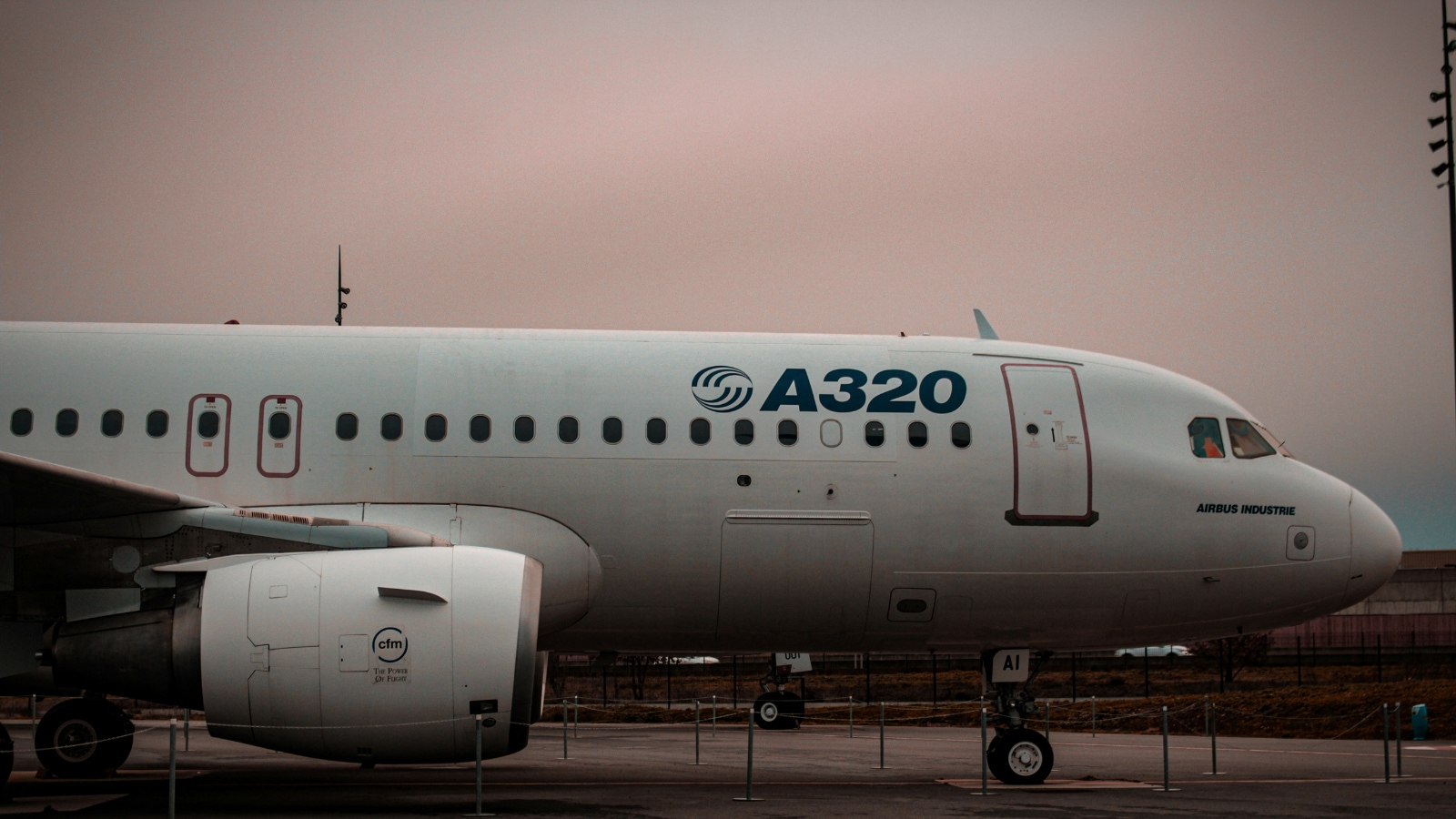
Airbus A320 System Fix Completed for Indian Airlines
Airbus has successfully implemented mandatory system fixes on all operational A320 family aircraft in India, addressing a significant software issue that could affect flight controls. The Directorate General of Civil Aviation (DGCA) confirmed that major Indian carriers, including IndiGo and Air India, worked tirelessly over the weekend to ensure these changes were made quickly. This proactive approach helped minimize disruptions to flight schedules.
The software changes were crucial after Airbus identified a vulnerability in the flight control computer, which could be compromised by intense solar radiation. More than 11,000 A320 family aircraft are in operation globally, and a substantial number were found to be at risk. In India, a total of 338 aircraft from airlines like IndiGo, Air India, and Air India Express required rectification.
IndiGo, one of the largest operators in India, has around 370 A320 family jets, while Air India operates 127, and its low-cost subsidiary Air India Express has 40. Fortunately, not all of these aircraft needed the software changes, which typically take a couple of hours to complete. By Sunday morning, fixes were successfully implemented on 323 aircraft, with six still undergoing maintenance.
Despite the urgency of the situation, Indian airlines managed to limit disruptions to just a few delays and rescheduling of flights. The DGCA noted that only four flights from Air India Express were canceled due to this issue. The efficiency with which these fixes were carried out indicates the preparedness of Indian airlines to handle such crises, ensuring the safety of passengers.
Airbus CEO Guillaume Faury publicly apologized for the recall, which is seen as one of the largest in the company's history. He emphasized that safety is the utmost priority when it comes to flying on Airbus aircraft, reinforcing the commitment to swift action to keep aircraft flying safely.
Immediately following Airbus’s notification, the European Union Aviation Safety Agency (EASA) issued an Emergency Airworthiness Directive requiring the affected aircraft operators to implement the necessary changes. The DGCA also followed suit, mandating Indian airlines to make the required modifications.
In light of the recent events, it is evident that the aviation industry's primary focus remains on passenger safety and operational efficiency. The successful implementation of these fixes serves as a testament to the industry's resilience and commitment to maintaining the highest safety standards in air travel.