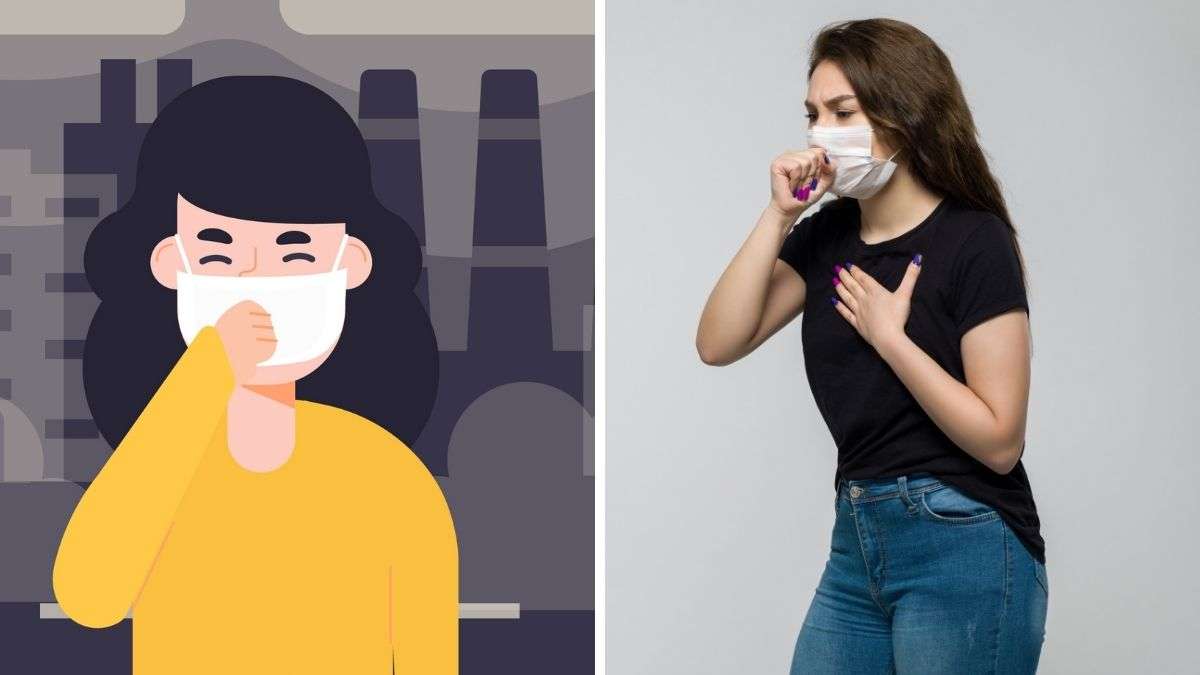
AQI 400: What Happens to Your Lungs?
As air pollution continues to rise in Indian cities, particularly during winter, the Air Quality Index (AQI) often crosses the dangerous threshold of 400. This severe level of pollution poses serious health risks, even to healthy individuals. Residents of cities like Delhi and Mumbai commonly experience burning eyes, heavy chests, and unusual fatigue after short outdoor activities.
When the AQI reaches such alarming levels, it means the air is laden with microscopic particulate matter known as PM2.5 and PM10. These particles are so tiny that they can bypass the body’s natural defenses and settle directly into the lungs. Pulmonologists warn that these particles initiate an inflammatory response, leading to significant deterioration in lung function over time.
Dr. Nana Kunjir, a consultant pulmonologist, explains that the presence of these tiny particles can severely disrupt the lungs' ability to function properly. The lungs contain delicate hair-like structures called cilia that help clear mucus, bacteria, and pollutants. However, high pollution levels can damage or paralyze these cilia, making it easier for infections to take hold.
This is why during smog season, it often feels like everyone is falling ill. The body struggles to keep harmful microbes out, resulting in a spike in respiratory infections. A recent review published in Lancet Respiratory Medicine highlights that long-term exposure to PM2.5 can increase lower respiratory infections by up to 44%, particularly pneumonia.
Individuals with existing lung conditions, such as asthma or Chronic Obstructive Pulmonary Disease (COPD), are especially vulnerable during these high pollution periods. Even healthy individuals may experience acute bronchitis if exposed for extended periods. The continuous inhalation of polluted air causes irritation and inflammation in the respiratory tract, increasing the risks of severe infections.
The impact of pollution is systemic. Dr. Kunjir notes that long-term exposure to polluted air places the body in a constant state of stress and inflammation, further weakening the immune system. Studies have shown that high levels of PM2.5 can reduce circulating immune cells, making it harder for the body to fight infections.
In conclusion, when AQI crosses 400, it’s not just an irritation; every breath can become an injury. With winter smog posing a serious threat to health, it is essential to monitor air quality, adjust outdoor activities, and take steps to support immunity. Protective measures such as wearing N95 masks and using air purifiers are important, but they are not foolproof. The key is to remain vigilant and proactive in safeguarding health during these challenging times.