
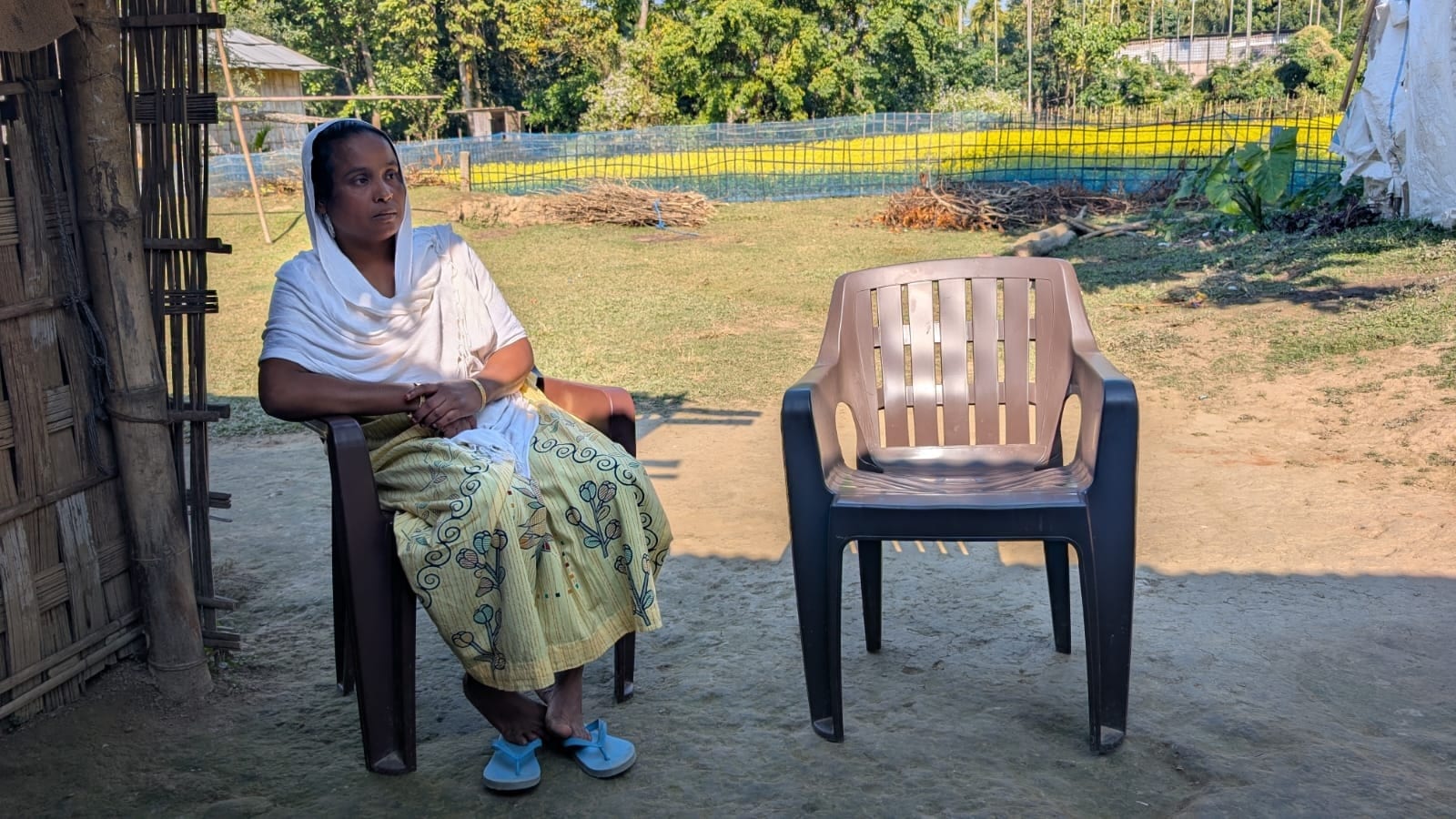
Assam's Midnight Deportations: Families in Distress
Aheda Khatun's story is a harrowing reminder of the lives affected by the recent expulsion orders in Assam. Declared a foreigner by tribunals, Aheda, along with 14 others, was ordered to leave India within 24 hours under a revived 1950 law. Her family's ordeal took a dramatic turn when her son, Adilur Zaman, received a midnight WhatsApp call from her, revealing her precarious situation.
In the call, Aheda shared that she was lost, somewhere near Dhaka, Bangladesh. Having been forcibly taken from the Matia transit camp, she described her journey through jungles and railway platforms, where she had to rely on the kindness of strangers for shelter. Adilur, a local vegetable seller, expressed his deep concern for his mother, who had never traveled alone in her life.
This distressing situation is not unique to Aheda's family. Other families have also lost contact with their loved ones after similar expulsion orders. Mustafa Ali, whose neighbor Hussain Ali was among the expelled, received a video call confirming his neighbor’s location but not allowing communication with him. Meanwhile, Ratur Rahman remains uncertain about his father, Nazrul Islam, who had faced similar circumstances.
The Assam government, led by Chief Minister Himanta Biswa Sarma, has been adamant about enforcing these expulsion orders, claiming they provide legal backing through the 1950 Act. This law, which had lain dormant for decades, is now being used to expedite deportations, raising serious concerns about human rights violations.
The expulsion process often bypasses the legal rights of those declared foreigners, effectively limiting their ability to appeal. As families like Aheda's seek justice, the implications of these actions are profound. Critics argue that such measures reflect a troubling trend of disregarding legal norms and human dignity in the name of national security.
As the situation unfolds, many are left in the dark, hoping for news from their loved ones. The urgency for a humane approach to such sensitive issues has never been more pressing, as families grapple with the uncertainty and fear of losing their kin to an unforgiving legal system.







