Banks Cut MCLR: Cheaper Loans Ahead
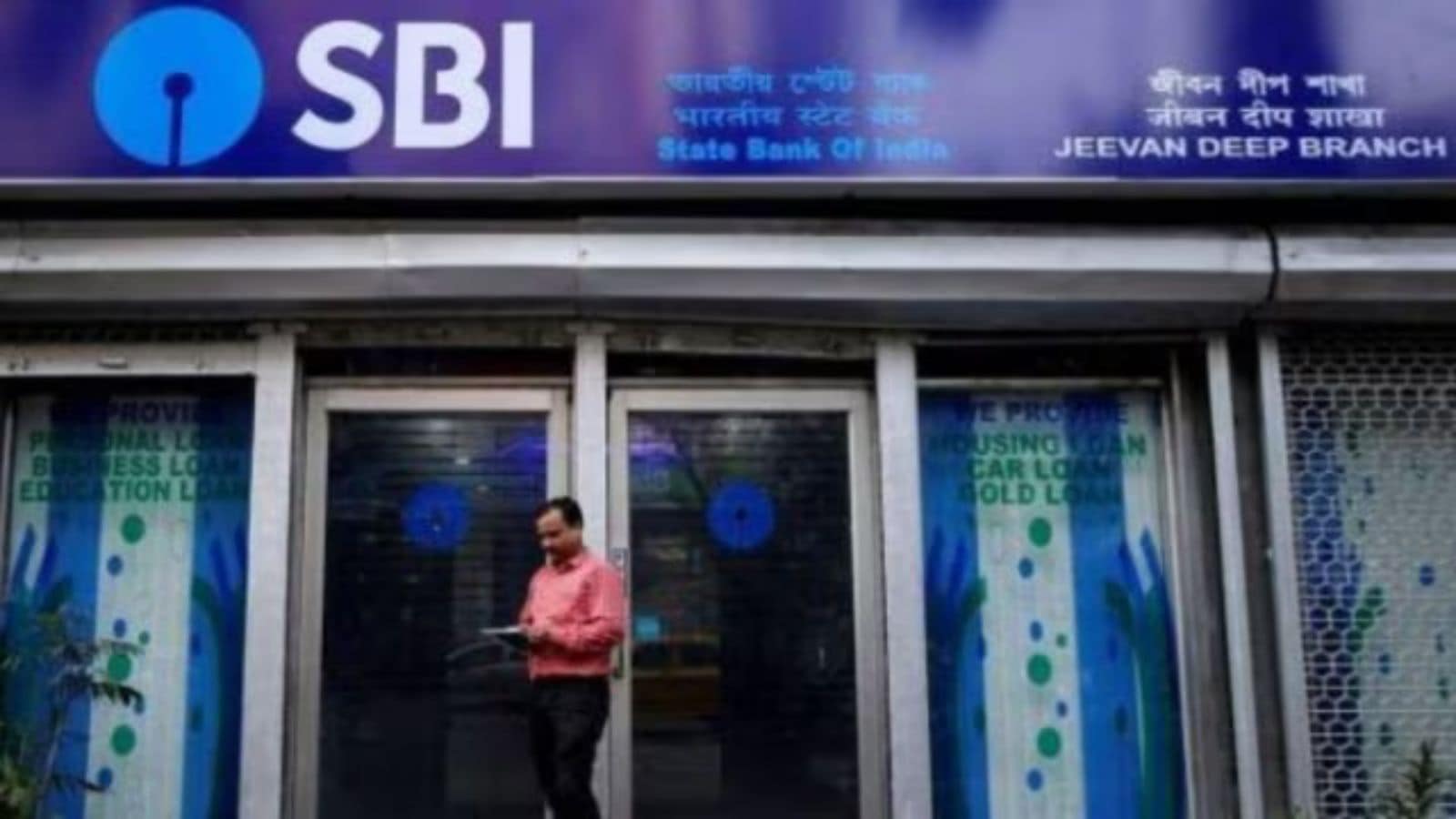
Public sector banks in India, including the State Bank of India (SBI), Bank of Baroda (BoB), and Indian Overseas Bank (IOB), have recently announced a reduction in their marginal cost of funds-based lending rates (MCLR) by up to 35 basis points. This significant move comes in the wake of the Reserve Bank of India's (RBI) cumulative repo rate cut of 100 basis points to 5.5% between February and June. Although the RBI's Monetary Policy Committee decided to maintain the repo rate in its August meeting, this reduction is expected to stimulate borrowing.
SBI, being the largest lender in the country, has lowered its MCLR by 5 basis points across various tenors, effective from August 15. The bank's overnight and one-month MCLRs have been revised to 7.90% each, down from 7.95%. Additionally, the one-year MCLR, which is crucial for corporate loans, has been adjusted to 8.75% from 8.80%. The new rates for two-year and three-year loans now stand at 8.80% and 8.85%, respectively, making borrowing more affordable for individuals and businesses alike.
In a similar move, Bank of Baroda has decreased its one-month MCLR by 35 basis points to 7.95% from 8.30%, effective from August 12. Its six-month MCLR is now set at 8.65%, down from 8.75%, while the one-year MCLR has been lowered to 8.80% from 8.90%. The bank has also revised its overnight and three-month MCLRs by 15 basis points, fostering a more competitive lending environment.
Indian Overseas Bank has also joined this trend, lowering its MCLR by 10 basis points across all tenors starting from Friday. Its one-year and six-month MCLRs are now 8.90% and 8.70%, respectively, while the one-month MCLR is set at 8.30% and the three-month MCLR at 8.45%. This adjustment further reflects the banks' efforts to align their lending rates with the market conditions.
The recent adjustments in MCLR come as banks respond to the RBI’s 100-basis point reduction in the policy repo rate since February. As of July, the one-year median MCLR of scheduled commercial banks has moderated to 8.75%, down from 9.05% in February. This trend indicates a favorable environment for borrowers, as lower interest rates can lead to increased investment and spending, ultimately supporting economic growth in India.
Since its introduction on April 1, 2016, MCLR has served as the benchmark interest rate, below which banks and non-banking financial companies cannot lend. To enhance monetary policy transmission, the RBI also introduced the external benchmark-based lending rate (EBLR) in October 2019, linking it to the repo rate. This ensures that any changes in the repo rate are promptly reflected in loans linked to EBLR, fostering a more responsive lending environment.