
Bengaluru's Infrastructure Crisis: A Wake-Up Call
Bengaluru, known as the Silicon Valley of India, is facing significant challenges with its infrastructure, particularly the state of its roads and garbage management. Recently, Kiran Mazumdar Shaw, the founder of Biocon, shared a concerning statement from a foreign guest visiting Biocon Park. This guest, having just come from China, questioned the poor condition of the roads and the visible garbage around, raising a point that many Indians have silently pondered.
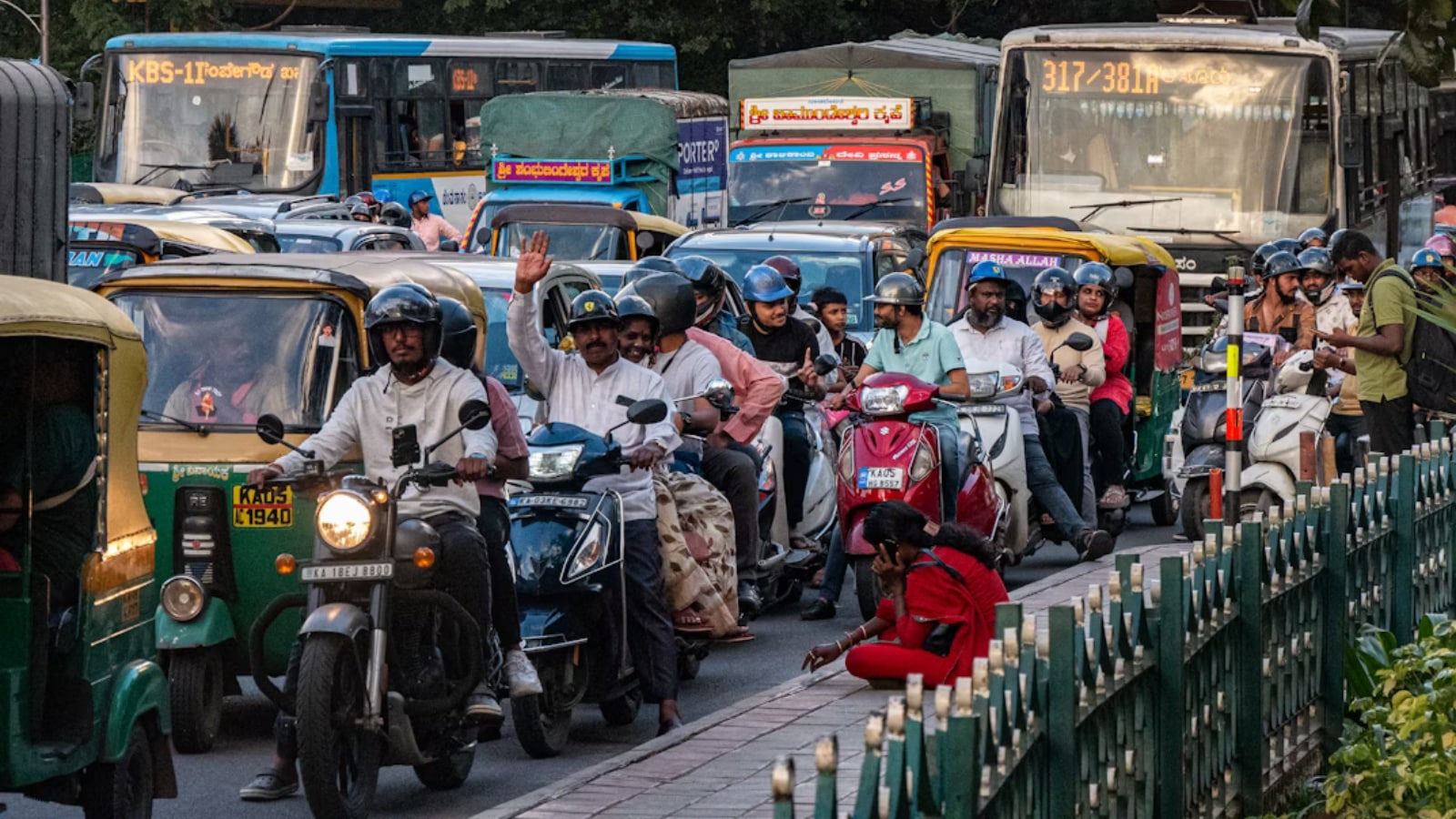
The guest's remarks spotlight the frustrations shared by many residents. Bengaluru's notorious potholes and traffic jams have become emblematic of the city's struggle with urban management. This situation is not just an inconvenience; it symbolizes a broader issue of governance and civic responsibility. Experts have voiced their concerns, arguing that the lack of accountability and political will is stifling India's growth potential.
Vaibhav Goel, a senior vice-president at Reliance Industries, commented on the myth of democratic accountability, suggesting that individual greed often overshadows the collective responsibility that democracy demands. Such sentiments resonate with many who feel that despite periodic elections, the issues remain unaddressed.
Furthermore, Vijay Sappani, CEO of Ela Capital, pointed out that comparing India to China is misleading, as the latter is decades ahead in infrastructure and civic sense. He emphasized that even countries like Sri Lanka and Bhutan have better civic practices than India. The need for a massive educational and enforcement drive is paramount. He noted how, despite the presence of dustbins in Chennai, littering continues to be a problem, highlighting a lack of civic sense rather than resources.
Dr. Sumeet Shah from PSRI Hospital echoed these sentiments, stating that poor infrastructure undermines India’s economic progress. Broken roads, inadequate lighting, garbage piles, and other civic issues negate any discussions about GDP growth. The lack of urgency from political leadership to address these concerns leaves many citizens puzzled.
Chief Minister Siddaramaiah has acknowledged the city's growth challenges and has been vocal about the need for timely approvals for major infrastructure projects. However, the perceived inaction raises questions about the political will to transform Bengaluru into a world-class city.
As discussions continue, it is clear that the path forward requires not just investment but a collective effort from the government, citizens, and businesses to foster a culture of responsibility and improvement in urban living conditions.







