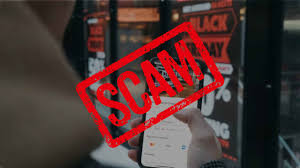
Beware of 2000+ Fake Sites This Black Friday
As Black Friday approaches, shoppers in India should be more vigilant than ever about online scams. Cybersecurity researchers have reported a significant increase in fake shopping websites that impersonate well-known brands. With over 2,000 fraudulent sites identified before this year’s Black Friday, users must be cautious when searching for discounts.
These fake platforms mimic real online stores, complete with attractive banners and countdowns, creating a sense of urgency that encourages shoppers to make quick purchases. Unfortunately, unsuspecting customers often end up sharing their personal and payment details with scammers.
A cybersecurity firm, CloudSEK, emphasizes that these fraudulent sites are not random; they are part of an organized network designed to deceive consumers. Many of these sites copy major brands such as Amazon, Apple, and Samsung, making it challenging for buyers to differentiate between legitimate and fake websites. In one case, a phishing network had over 750 linked domains, including more than 170 Amazon look-alikes.
Scammers utilize templates and scripts to launch these deceptive pages quickly, allowing them to attract victims before authorities can intervene. Shoppers often stumble upon these sites through social media advertisements, shared links on messaging apps like WhatsApp, or manipulated search results.
Once buyers input their payment details, the information is redirected to accounts controlled by the attackers. CloudSEK estimates that each fraudulent site converts between three to eight percent of its visitors into victims. Given the high traffic these sites receive, the profits for scammers can be substantial before the websites are taken down.
The fallout from these scams extends beyond immediate financial losses. Stolen personal information can lead to long-term identity theft, while legitimate brands face backlash from customers who unknowingly engage with counterfeit versions of their stores.
Experts recommend verifying websites before making any purchases. Shoppers should be wary of platforms offering unusually steep discounts and aggressive countdown timers. Simple checks, like looking for spelling errors in the URL, can help prevent accidental clicks on fraudulent sites.
For a safer shopping experience, it is advisable to shop through verified apps or official websites. Retailers and regulators should also take action against rogue domains to protect consumers. Basic awareness can go a long way in preventing these attacks, enabling shoppers to enjoy Black Friday without falling prey to scams.