
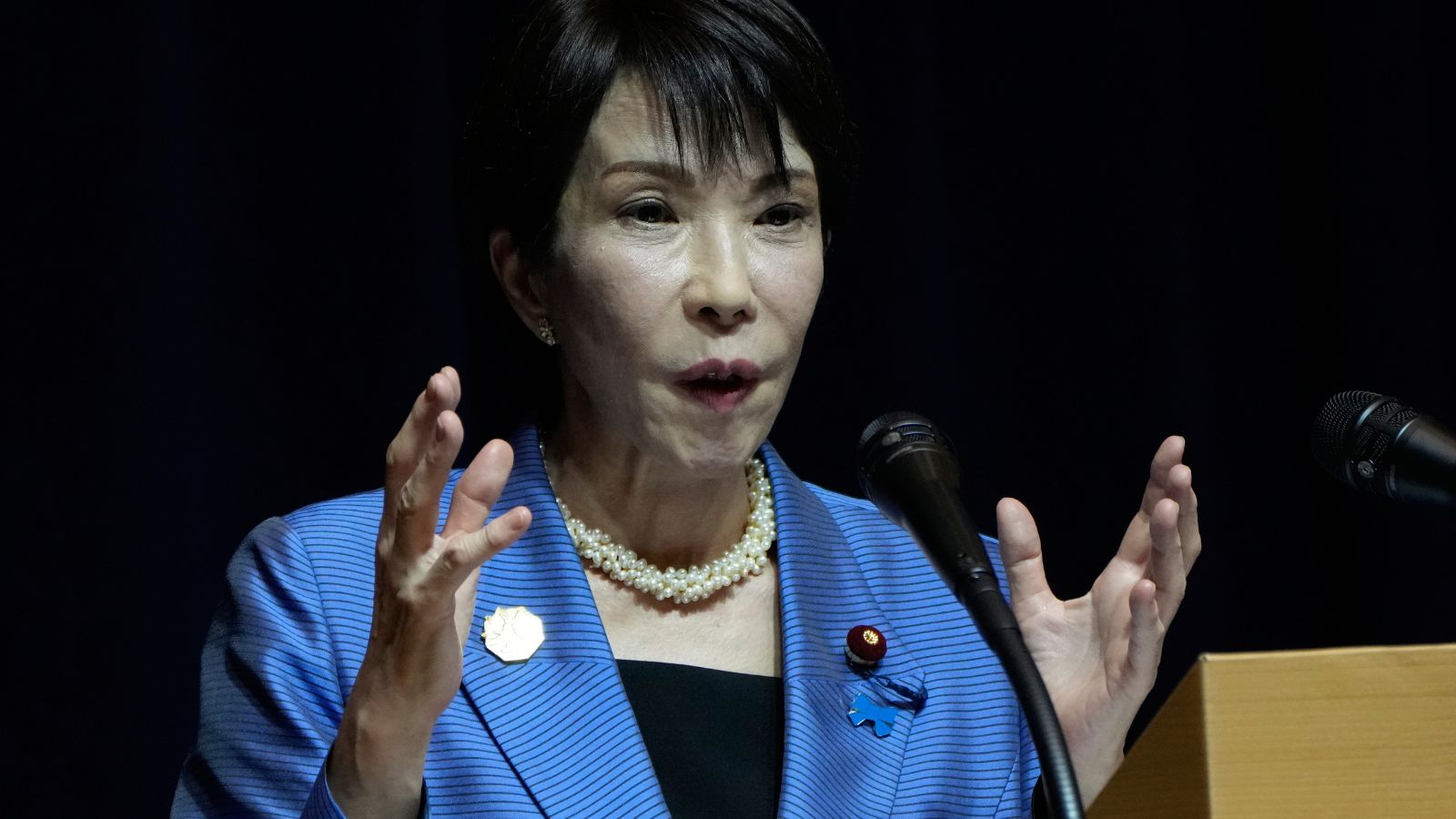
Breaking Barriers: Japan's Female Prime Minister
Sanae Takaichi has made history as Japan's first female prime minister, a significant milestone for gender representation in a country often criticized for its conservative views on gender roles. However, her upcoming decision regarding the male-only sumo ring adds a layer of complexity to her leadership. As she prepares to present the Prime Minister’s Cup at the Kyushu Grand Sumo Tournament, Takaichi stands at a crossroads that could significantly affect the discussion surrounding women's rights in Japan.
The tradition of barring women from the sumo ring is deeply rooted in Japan's cultural and religious beliefs. Sumo, which has connections to Shinto rituals, has long been perceived as a male-dominated arena. The belief in female "impurity" associated with menstruation and childbirth has perpetuated this barrier, impacting women not only in sports but also in various religious and cultural contexts.
While many around the world have had similar taboos, Japan’s restrictions are particularly entrenched, often traced back to the 19th-century Meiji era. Despite some progress, such as the gradual lifting of bans on women in religious sites, the sumo ring remains a stronghold of male exclusivity. Takaichi's potential entry into this male domain could symbolize a challenge to these outdated norms.
Critics argue that the ban is out of touch with modern values and the changing role of women in society. As Takaichi is known for her conservative stance, she may hesitate to defy these long-standing traditions, fearing backlash from right-wing voters who value the status quo. Her top government spokesperson has indicated that Takaichi does not plan to step into the ring, which may disappoint advocates for women's rights.
This situation presents a unique opportunity for Takaichi to reconsider gender roles in Japan. If she chooses to enter the sumo ring, it could set a precedent for future generations, challenging the norms that have historically limited women's participation in various spheres of life. On the other hand, her decision to uphold tradition could reinforce outdated gender stereotypes.
As Japan continues to grapple with these issues, Takaichi's actions could either pave the way for progress or maintain the status quo in a nation at a pivotal moment in its cultural evolution. The world will be watching closely to see how she navigates this delicate balance of tradition and modernity.







