
Challenges in Securing Capital for India's Decarbonisation
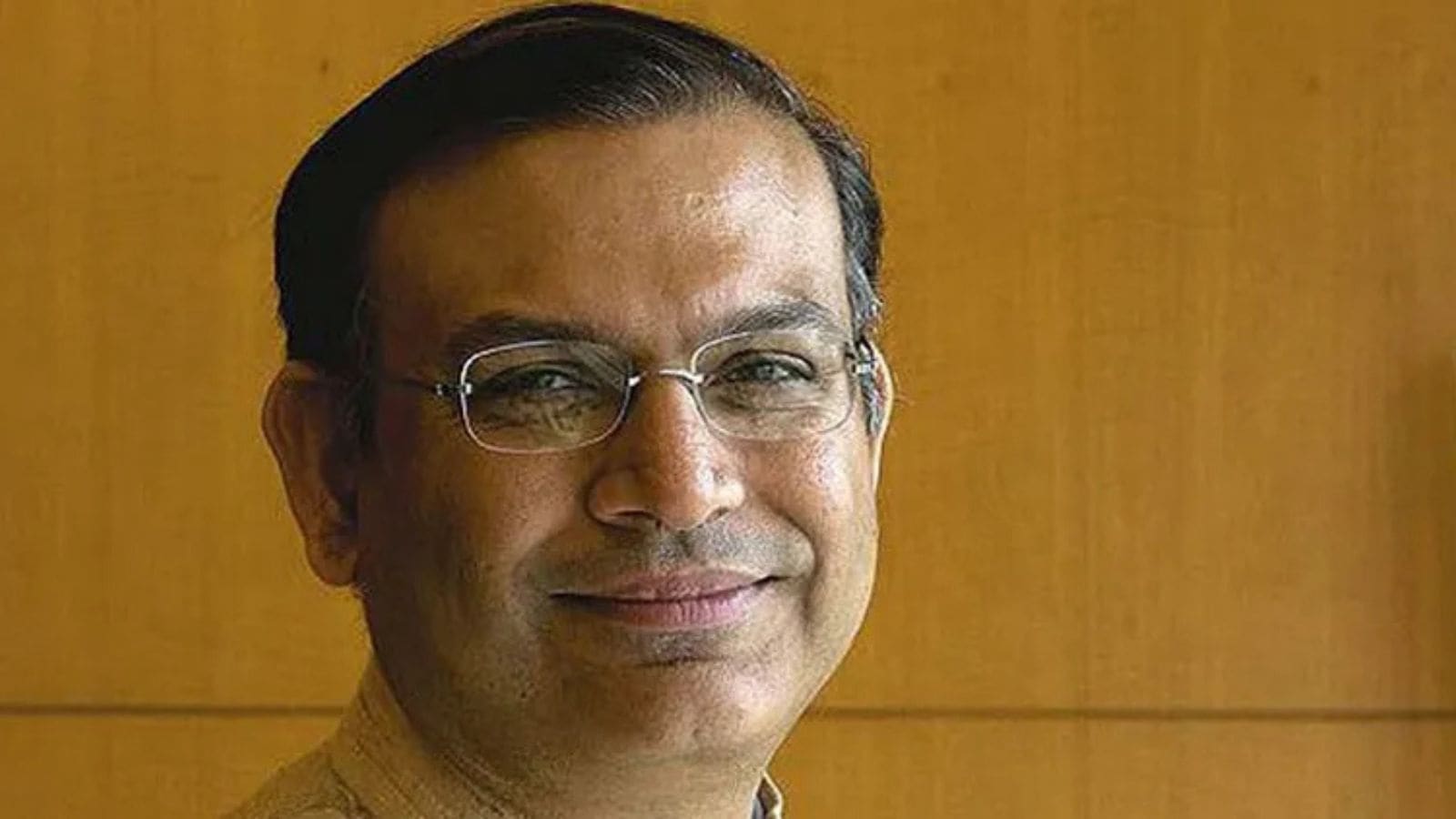
Former Minister Jayant Sinha has raised serious concerns regarding the challenges of securing global capital for India’s decarbonisation efforts. Speaking at a recent seminar, he highlighted that the country requires an additional $50 billion to $100 billion in corporate capital expenditure over the current decade to effectively mitigate climate change impacts. However, he pointed out that corporate investments in India have stagnated, making this target difficult to achieve.
According to Sinha, various studies estimate India’s annual climate finance requirement to be around $54 billion from 2022 to 2030. He referred to a report by former Reserve Bank of India officials which stressed the need for significant financial resources to transition to a greener economy. In contrast, a group of experts under India’s G20 Presidency has suggested that developing countries will need an additional $3 trillion annually by 2030.
Sinha, who is now the President of Eversource Capital, expressed his frustration with the current investment climate. He noted that global capital is often uninterested in India’s capital-intensive infrastructure projects, especially when there are more lucrative opportunities in developed markets, such as the United States, particularly in high-return sectors like artificial intelligence (AI).
He stated, “Global capital looks at opportunities and often prefers investments that promise higher returns. For instance, if I can invest in an AI data center in Virginia with an 18% return, why would I invest in a project in India with only a 15% return?” This sentiment reflects the broader issue of attracting foreign investment to support India’s ambitious climate goals.
Moreover, Sinha emphasized the need to mobilize large pools of domestic capital to take control of the nation’s decarbonisation trajectory. He suggested that focusing solely on global investments may not be a viable strategy. To meet the government’s target of achieving net-zero greenhouse gas emissions by 2070, he warned that India must significantly accelerate its decarbonisation efforts, particularly in sectors beyond power, which currently lack a clear baseline.
In conclusion, Sinha’s insights underline the importance of both domestic and global investment in achieving India’s climate goals. With the stakes so high, it is crucial for the government and businesses to collaborate and strategize effectively to secure the necessary funding for a sustainable future.







