Chikungunya Alert: Stay Safe in Tamil Nadu
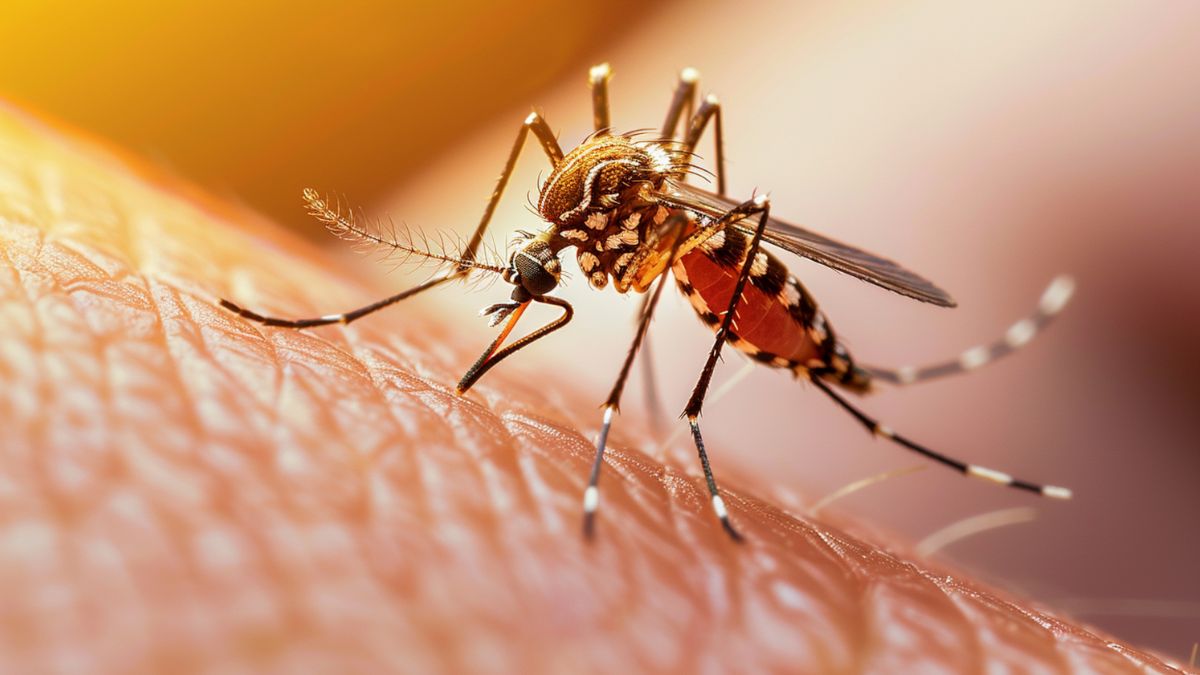
The recent outbreak of chikungunya in Tamil Nadu has raised concerns among health authorities. The state's health department has issued an alert as the seasonal conditions create a perfect environment for mosquito breeding. Infected Aedes mosquitoes, primarily Aedes aegypti and Aedes albopictus, are responsible for transmitting the disease. These mosquitoes thrive in stagnant water found in household containers, making urban areas particularly susceptible during and after the monsoon.
Districts such as Chennai, Villupuram, Tenkasi, and Theni have reported rising infection rates. Health authorities are urging hospitals, laboratories, and local bodies to enhance surveillance and ramp up mosquito control initiatives. While chikungunya is rarely fatal, it can lead to debilitating joint pain, particularly in older adults and those with pre-existing health conditions. Early detection and supportive care are crucial for effective management of the disease.
The World Health Organization (WHO) emphasizes that there is no specific antiviral treatment for chikungunya. Instead, supportive care focused on symptom management is recommended. WHO also underscores the importance of preventing mosquito bites and eliminating breeding sites as the most effective means of controlling outbreaks. As part of this strategy, Tamil Nadu’s health department has instructed local officials to intensify mosquito control measures.
Hospitals have been directed to maintain mosquito-free environments in dengue and chikungunya wards and to utilize bed nets to prevent further transmission. WHO highlights the importance of community participation in controlling outbreaks. When individuals take action to reduce mosquito populations in their neighborhoods, it can lead to significant decreases in disease transmission.
Chikungunya is not merely a public health issue but also an environmental and behavioral challenge. The virus flourishes in areas where complacency exists. With enhanced surveillance and rapid response teams ready, officials are optimistic that the coming weeks will be critical in managing the outbreak. The message from health authorities is clear: detect cases early, control mosquito populations swiftly, and prevent the virus from establishing itself in communities.