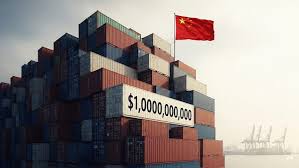
China's Trade Surplus Exceeds $1 Trillion Milestone
China has made headlines by achieving a historic trade surplus of over $1 trillion for the first time. This impressive milestone shows China's economic strength and its ability to dominate global trade. Despite facing challenges such as reduced exports to the United States due to tariffs, China's overall trade surplus has surged by 21.7% this year, indicating robust sales to other regions, including Europe and Southeast Asia.
The trade surplus figure, which reached $1.08 trillion through November, highlights how China continues to outperform other economies. In November alone, China's trade surplus stood at $111.68 billion, marking one of the largest monthly surpluses recorded. The country's ability to maintain such a surplus has drawn attention from various global economic leaders, especially considering the competitive landscape where traditional manufacturing powerhouses are losing ground.
One significant factor contributing to China's trade success is the weakness of its currency, the yuan. A weaker yuan makes Chinese goods cheaper for foreign buyers, further boosting exports. However, there are calls from economists for China to allow the yuan to strengthen against other currencies. A stronger yuan could make imports cheaper and stimulate domestic consumption, which is a priority for China's leadership.
Moreover, China's strategy has involved shifting the final assembly of many products to countries like Southeast Asia, allowing it to bypass some tariffs imposed by the U.S. This shift has implications not just for trade dynamics but also for manufacturing jobs in various countries. As Chinese exports flood markets across Asia, Africa, and beyond, many local industries are struggling to compete with China's low prices.
Looking ahead, the balance between maintaining a healthy trade surplus and supporting domestic consumer needs is crucial. While a strong trade surplus has funded technological innovations within China, it has also raised concerns about the long-term viability of this approach. Experts suggest that reducing the trade surplus might be essential for boosting domestic consumption and supporting economic growth.
In conclusion, while China's record trade surplus reflects its position as a global economic powerhouse, the challenge will be to find a sustainable path that benefits both its economy and its consumers. Engaging in international discussions and considering adjustments to currency value may play a key role in shaping China's economic future.