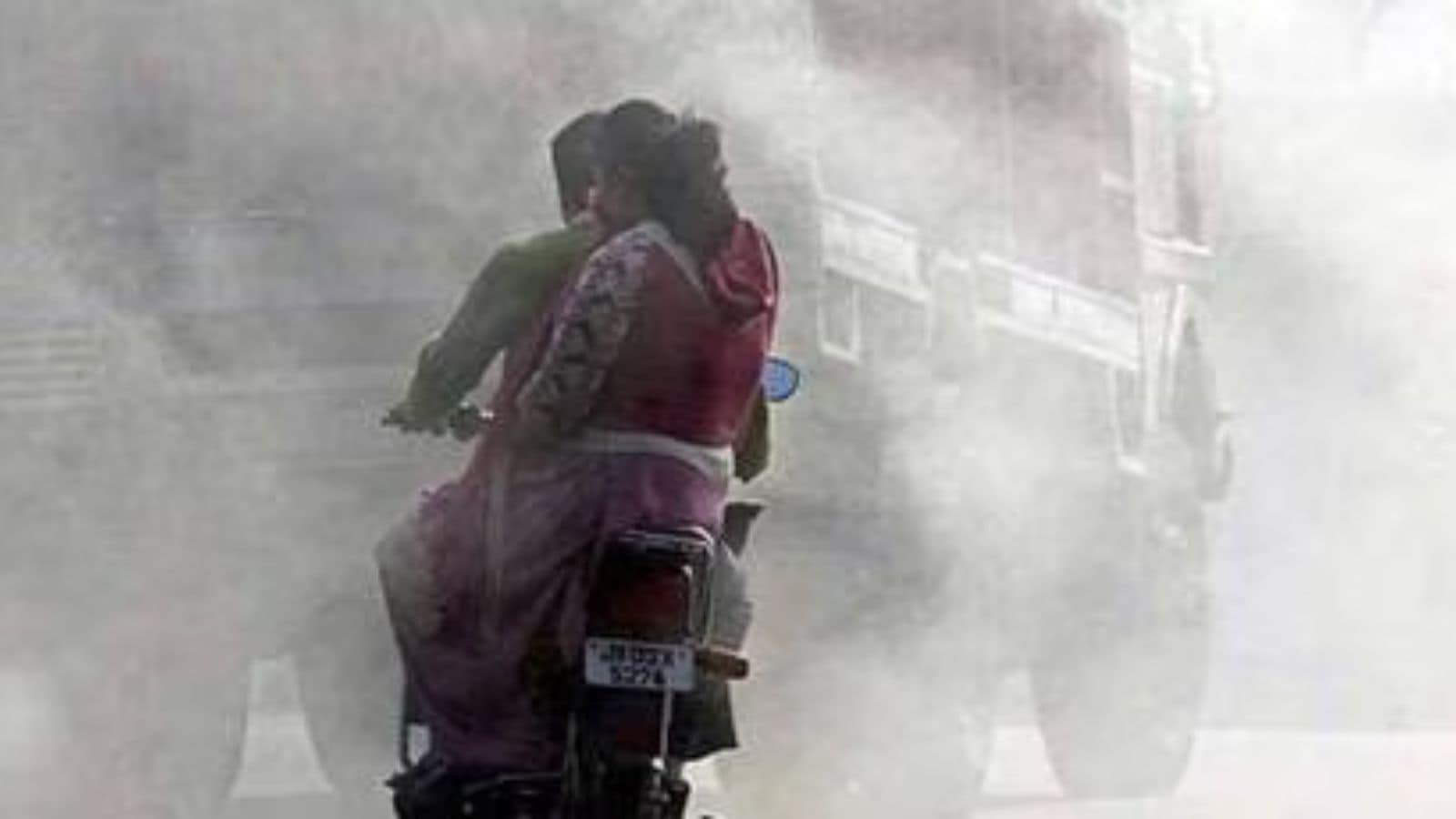
Decline in Pune's Air Quality: A Growing Concern
Pune's air quality has been on a decline, raising alarms among scientists and health experts. Recent data from the Central Pollution Control Board indicates that from November 19 to 21, the city experienced deteriorating air quality, primarily due to high levels of Particulate Matter (PM 10). Alarmingly, nearly half of the month has already been categorized as having "moderate" air quality, which begs the question: are these levels truly safe for residents?
According to the Indian Institute of Tropical Meteorology (IITM), the number of 'good' air days in Pune has decreased significantly over the past decade. The annual air quality data reveals that the percentage of 'good' air quality days dropped from 80% in 2014 to just 61% in 2023. This trend signifies a troubling shift in the city's environmental health, with an increase in 'moderate' and 'poor' air quality days observed since 2021.
Dr. Gufran Beig, a leading expert in air quality forecasting, noted that Pune's air quality has worsened by around 10% over the last decade. Factors contributing to this decline include a rapid increase in vehicle numbers and ongoing construction projects, which generate dust and additional PM10 emissions. Transport is identified as the primary source of pollution, accounting for over 45% of emissions in the city.
Despite the rise in 'moderate' air quality days, experts warn that this classification can be misleading. Members of Pune's Air Action Hub emphasize that health impacts from polluted air can begin at lower pollution levels, affecting vulnerable populations long before they appear alarming. Shweta Vernekar from the Hub stated, "People should not feel falsely reassured by the term 'moderate.' The health risks start even at lower pollution levels."
The seasonal patterns of pollution in Pune are also concerning, with winter months showing consistently high levels of PM2.5 and PM10. Data indicates that December to February typically sees the highest concentrations of polluted days. While the summer months usually provide a respite, the overall trend suggests that the city must take significant action to improve air quality.
In response to this growing crisis, experts advocate for a coordinated multi-agency approach to tackle air pollution effectively. Dr. Beig emphasizes that the current measures are insufficient, and a collaborative effort is essential to safeguard public health as Pune navigates its air quality challenges.