Deepfakes on Social Media: A Threat to Women's Privacy
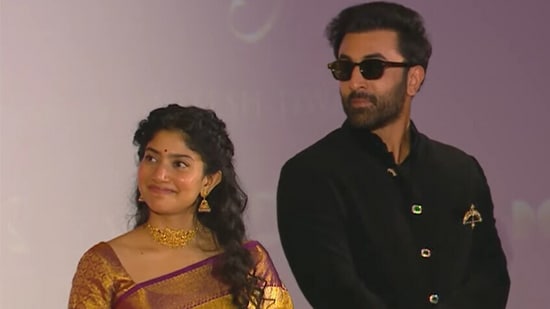
Deepfakes have emerged as a significant concern on social media platforms like Instagram and X, particularly affecting women. These AI-generated videos manipulate the images of well-known Indian actresses, leading to severe violations of their dignity and privacy. As this deceptive trend gains momentum, it raises alarming questions about user safety and consent.
The Indian government has recognized the urgency of the issue and proposed new regulations aimed at mandating the labeling of AI-generated content. These rules are designed to protect individuals from the harmful effects of deepfakes, which can mislead audiences by blending seamlessly with authentic footage. Prominent figures, including actor Hrithik Roshan, have begun to take legal action to safeguard their personality rights against these unauthorized alterations.
Despite the government's efforts, many deepfake videos continue to circulate without any disclaimers or labels. A recent investigation revealed numerous accounts on X and Instagram that regularly share these manipulated videos, primarily targeting female celebrities. These accounts often boast tens of thousands of followers and accumulate hundreds of thousands of views, with little to no accountability from the platforms that host them.
Experts emphasize that while social media platforms enjoy certain legal protections, they also bear the responsibility to implement proactive measures to safeguard users. NS Nappinai, a senior advocate at the Supreme Court of India, argues that the very technology used to violate rights could also be employed to identify and remove harmful content before it spreads.
The rise of deepfakes reflects a broader trend of gendered exploitation in the digital age. Reports indicate that a staggering 84% of social media influencers who are victims of deepfake pornography are women. This alarming statistic underscores the urgency for comprehensive regulations and enforcement mechanisms to protect individuals, especially women, from such violations.
In October 2023, Prime Minister Narendra Modi referred to deepfakes as a new "crisis," highlighting the seriousness of the issue. Non-consensual imagery, particularly in the form of manipulated videos, has prompted the government to take swift action, advocating for legislation that mandates clear labeling of synthetic media on social platforms.
While companies like Meta and Google have introduced some form of AI labeling, enforcement remains inconsistent. Users often report deepfake content only after it has already garnered significant views, indicating a reactive rather than proactive approach by these platforms. Experts argue that effective labeling and watermarking are essential but insufficient; robust takedown mechanisms and user-friendly reporting options must also be established.
In conclusion, the challenge posed by deepfakes is complex and requires a multi-faceted response. As technology evolves, so must our strategies for protecting individuals' rights and dignity online. The growing awareness and regulatory measures are important steps towards a safer digital environment, particularly for women who are disproportionately affected by this issue.