Deepfakes Threaten Women's Dignity on Social Media
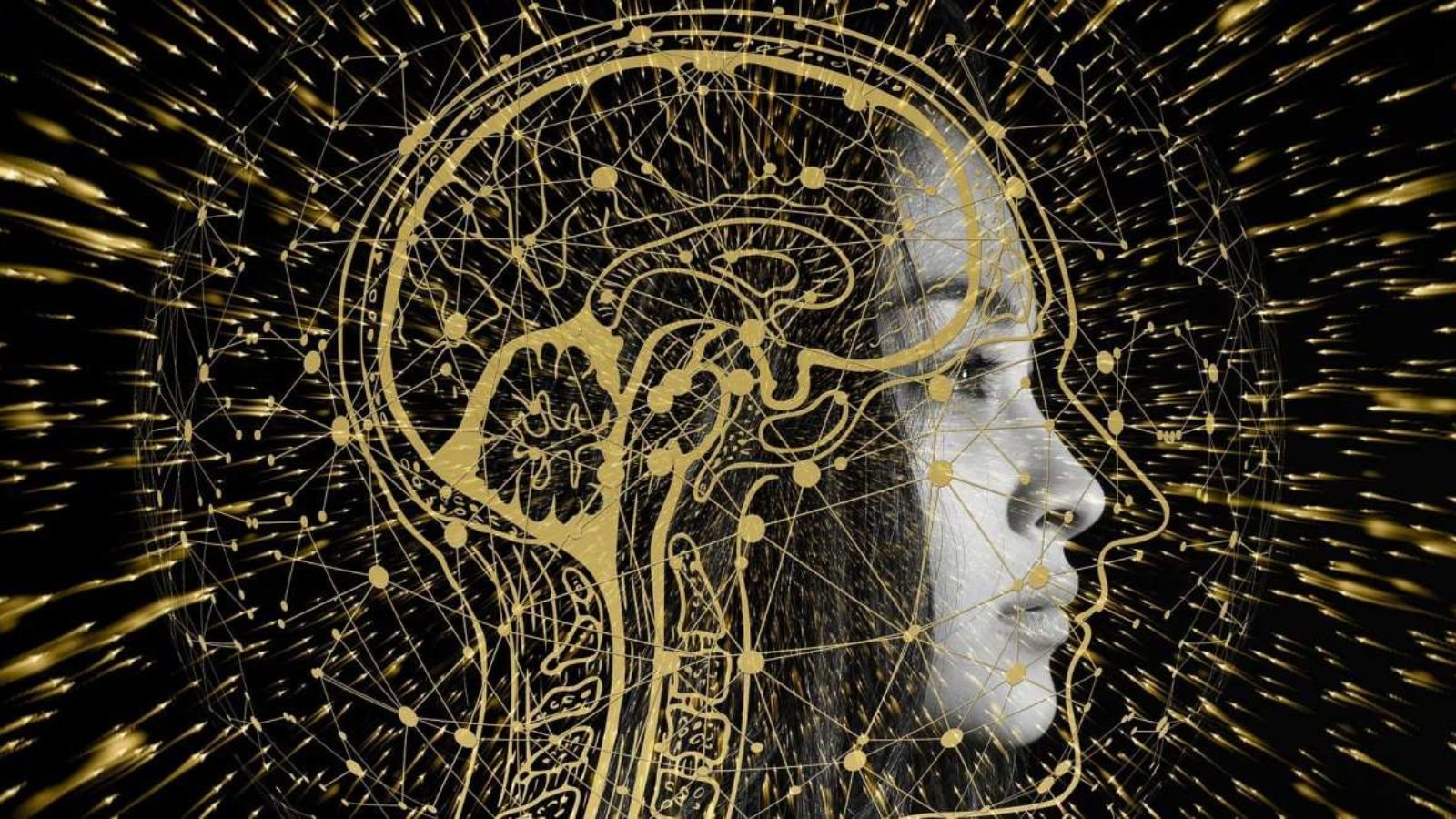
Deepfakes are a growing concern on social media platforms like Instagram and X, particularly affecting the dignity and privacy of women in India. These AI-generated videos manipulate existing footage of prominent actresses, creating disturbing and suggestive content that appears real. As these deceptive clips gain traction, they pose a significant threat to the reputation and safety of women. The Indian government is stepping in with proposed regulations that would require users to label AI-generated content, aiming to protect individual rights.
The issue gained more attention after high-profile cases, such as that of actress Aishwarya Rai, who filed a petition in the Delhi High Court regarding the circulation of non-consensual intimate visuals. The court granted her protection, highlighting the urgent need to address this growing problem. Reports indicate that a staggering 84% of social media influencers have fallen victim to deepfake pornography, with nearly 90% of these victims being women. This alarming trend underscores the gendered nature of deepfake technology misuse.
As AI deepfakes become more prevalent, the responsibility of social media platforms also comes into question. Legal experts, like Senior Advocate NS Nappinai, emphasize that while these platforms enjoy certain protections, they must also implement proactive measures to prevent violations. The technology that creates deepfakes can also be harnessed to identify and remove harmful content before it spreads.
Historically, deepfakes have been used to morph women's faces into inappropriate contexts, with the technology first making headlines in 2017. In India, the issue gained prominence in early 2023, when a deepfake video of actress Rashmika Mandanna went viral, prompting Prime Minister Narendra Modi to label it a new "crisis." The Indian IT Ministry has since warned about the dangers of generative AI, stating that it can be weaponized to manipulate information and harm reputations.
Despite some existing measures, such as AI labeling by Meta and Google, enforcement remains inconsistent. Often, deepfake content circulates widely before any action is taken. The platforms need to improve their takedown mechanisms and ensure that users can easily report harmful content. Labeling AI-generated content is a step in the right direction, but it is insufficient without effective measures to protect the victims.
As the digital landscape continues to evolve, the urgent need to safeguard women's rights and privacy is becoming increasingly clear. Without robust regulations and proactive actions from social media companies, the threat posed by deepfakes will only grow, further endangering the dignity of women in India.