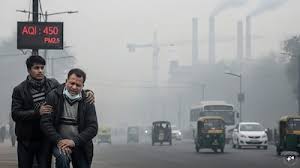
Delhi Smog: A Silent Health Threat Beyond Breathing
Every winter, the city of Delhi faces a daunting challenge as its skyline disappears under a thick blanket of smog. While many perceive this as a seasonal nuisance, the reality is far graver — it is a slow and silent threat to our health. The dangers of smog extend beyond mere coughing and difficulty in breathing; they infiltrate our bodies, affecting vital organs like the heart, brain, skin, and gut.
Dr. Manav Manchanda, Director & Head of Respiratory, Critical Care and Sleep Medicine at Asian Hospital, sheds light on the pervasive effects of pollution in Delhi. He emphasizes that the thick smog is more than just an inconvenience; it acts as a silent killer, severely impacting our overall health.
The fine particulate matter present in smog (PM2.5 and PM10) penetrates deep into our respiratory system, causing inflammation of the airways and gradually diminishing lung function. Dr. Manchanda warns that this can predispose individuals to chronic respiratory diseases, including bronchitis and asthma attacks.
However, the implications of smog are not limited to respiratory issues. Recent studies have established a link between long-term exposure to air pollution and serious cardiovascular problems such as heart disease and hypertension. When these tiny particles enter the bloodstream, they trigger systemic inflammation and oxidative stress, leading to damage in blood vessels and the heart over time.
Moreover, the brain is not spared from the adverse effects of pollution. Research indicates that prolonged exposure to polluted air can lead to cognitive decline, memory loss, and an increased risk of neurodegenerative diseases like dementia. Children, especially, are at heightened risk as their lungs and brains are still developing, which can impede their growth.
Pregnant women also face significant risks. Air pollution can jeopardize fetal development and heighten the chances of pregnancy complications. Furthermore, smog impacts our skin and eyes, causing irritation, dryness, and allergic reactions, while also accelerating skin aging and aggravating conditions like eczema.
Surprisingly, the effects of inhaled toxins extend to our gut health as well. Dr. Manchanda points out that pollutants can disrupt the gut microbiota, which plays a crucial role in digestion and immunity. This disruption can lead to digestive issues and a weakened immune system.
While the air quality crisis in Delhi might seem like an annual occurrence, its long-term effects are profound. Recognizing that smog harms the entire body, not just the lungs, is the first step toward mitigating its impact. By making informed lifestyle choices and increasing awareness, we can better protect ourselves from the detrimental effects of pollution.