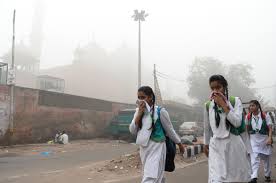
Delhi Smog: More Than Just a Winter Nuisance
Delhi’s winters bring with them a heavy blanket of smog, obscuring the skyline and posing unseen dangers to health. This thick haze is more than just an inconvenience; it represents a serious threat to our bodies. Research indicates that the effects of smog extend beyond respiratory issues, impacting the heart, brain, skin, and gut.
Dr. Manav Manchanda, Director & Head of Respiratory, Critical Care and Sleep Medicine at Asian Hospital, emphasizes the severity of air pollution. “The fine particulate matter found in smog, such as PM2.5 and PM10, deeply penetrates the respiratory tract, leading to inflammation and reduced lung function,” he explains. This can predispose individuals to respiratory diseases, chronic bronchitis, and asthma.
But the consequences do not stop with the lungs. Chronic exposure to polluted air has been linked to severe health conditions, including heart disease and hypertension. When these fine particles enter the bloodstream, they can cause systemic inflammation, leading to long-term damage to blood vessels and the heart.
Dr. Manchanda warns that even the brain is vulnerable to pollution. Studies have connected prolonged pollution exposure with cognitive decline and an increased risk of neurodegenerative diseases like dementia. Children are particularly at risk; their developing lungs and brains can suffer from impaired growth due to high pollution levels.
Pregnant women also face serious risks. Air pollution can affect fetal growth and lead to complications during pregnancy. Additionally, smog doesn’t just stay in the lungs; it affects the skin and eyes, causing irritation and allergic reactions. Pollutants can accelerate skin aging and worsen conditions like eczema.
Surprisingly, inhaled toxins can disrupt gut health by interfering with beneficial bacteria necessary for digestion and immunity. This disruption can lead to digestive issues and a weakened immune system.
Dr. Manchanda stresses that the impact of Delhi’s air quality is not merely seasonal; its effects are long-lasting. However, there are ways to mitigate these effects. Being aware that smog affects the whole body is the first step in protecting oneself. Proactive lifestyle choices can significantly reduce the long-term health risks associated with air pollution.
In summary, the toxic air over Delhi is more than just an irritant; it is a silent infiltrator that can have profound health consequences. Awareness and action can make a significant difference in combating these adverse effects.