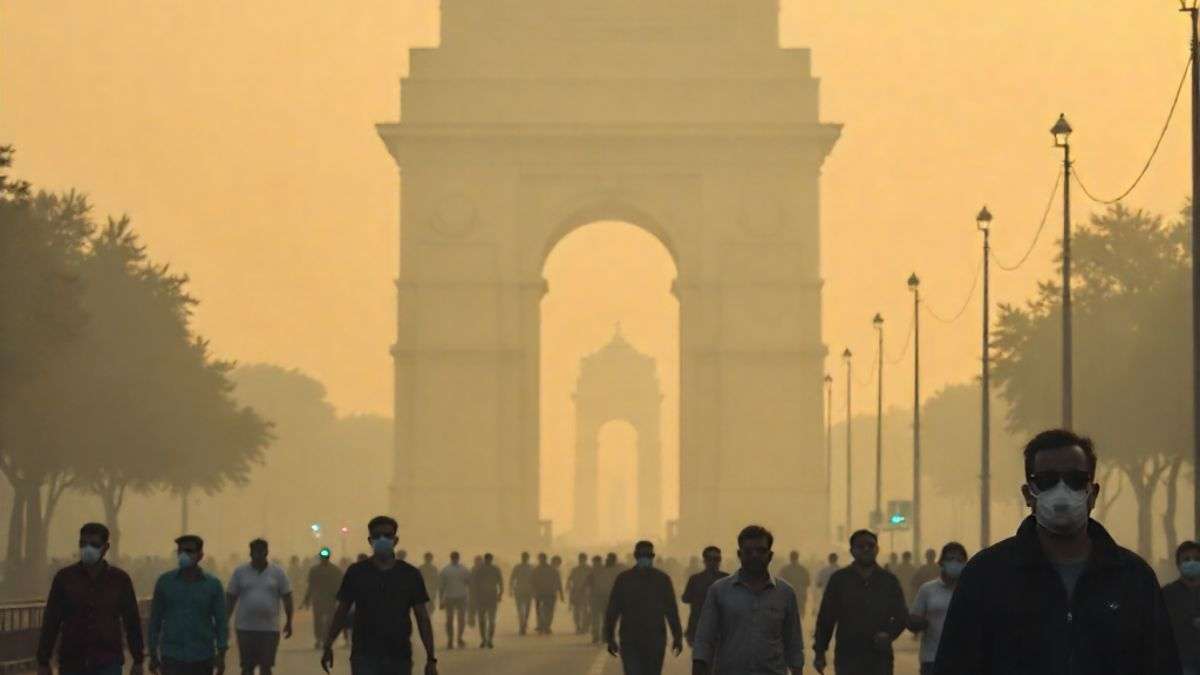
Delhi's Toxic Air: A Health Crisis Unveiled
Delhi is once again grappling with severe air pollution, especially as the festive season approaches. With an alarming Air Quality Index (AQI) of 426 recorded in Anand Vihar, the situation is dire. Experts warn that this is not merely a seasonal issue; it is a growing public health crisis affecting various aspects of human health.
Doctors have observed that the impact of air pollution extends beyond respiratory problems. Dr. L. K. Jha, a cardiologist, highlights that an increasing number of patients without prior heart issues are now presenting symptoms linked to air pollution. Chronic exposure to toxins like PM2.5 and nitrogen oxides results in systemic inflammation, leading to serious cardiovascular concerns.
Moreover, the mental health implications of the toxic air cannot be ignored. Dr. Pavitra Shankar, a psychiatrist, emphasizes that air pollution also affects our brains, contributing to cognitive impairment and mood disorders. Many individuals may not realize the subtle effects of pollution on their mental health, which can manifest as fatigue, irritability, and sleep disturbances.
One of the alarming trends observed is the rise in autoimmune diseases during periods of heavy pollution. Dr. Jha notes that harmful air can trigger immune system overactivity, leading to flare-ups of conditions like rheumatoid arthritis and lupus. Even healthy individuals are not immune, often showing signs of increased inflammation and heart issues.
While the air quality crisis in Delhi requires systemic reform, individuals can take proactive steps to safeguard their health. Those with pre-existing conditions should stay in close contact with their healthcare providers to manage their symptoms effectively. Simple measures like using air purifiers at home, wearing high-quality masks outdoors, and limiting outdoor activities during peak pollution hours can make a difference.
Furthermore, adopting a healthy lifestyle that includes a balanced diet, regular physical activity, and mindfulness can enhance resilience against air pollution's effects. Recognizing early symptoms of mental stress and seeking professional help can prevent more severe outcomes.
Long-term research continues to emphasize the link between environmental toxins and chronic health issues. As Dr. Jha asserts, the role of healthcare professionals goes beyond treatment; it includes advocating for patients to understand the far-reaching effects of air pollution. The toxic air in Delhi is no longer just a seasonal annoyance but a health crisis that requires immediate attention and action.