
Delhi's Tulip Experiment: A Beautiful Mistake?
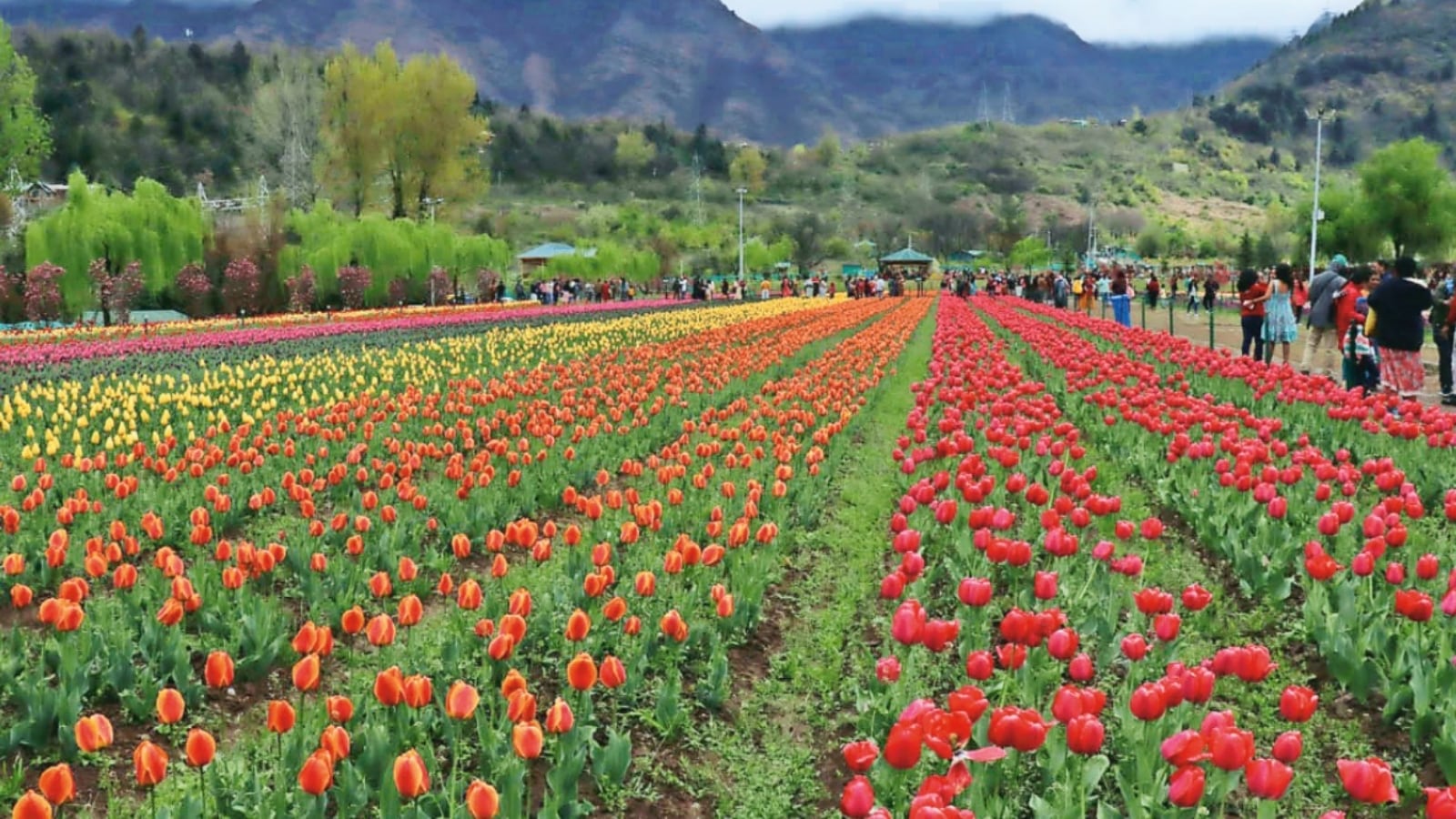
Delhi's tulip fever is captivating the city's residents as the New Delhi Municipal Corporation (NDMC) plans to plant around 50,000 indigenous tulips this winter. This initiative, which includes flowers carefully developed at the Tulip Growth-cum-Storage Chamber in Lodi Gardens, aims to bring a splash of color to the capital. However, while these tulips create a stunning visual display for a brief fortnight in March, many are left pondering the rationale behind investing in such an exotic flower when local parks struggle with funding and maintenance.
The choice of tulips appears to be driven by nostalgia and a desire for modern aesthetics. Perhaps the decision-makers at NDMC are enchanted by the romantic imagery of tulips, reminiscent of the classic Bollywood film Silsila, where love blooms in Holland's Keukenhof Gardens. In a city where traditional marigolds and dahlias have long been the norm, there seems to be a push for something more trendy and visually striking. However, this ambition may overlook the realities of Delhi's semi-arid climate, which is not conducive to sustaining such delicate flowers.
This fascination with tulips highlights a deeper issue — the disconnect between human aspirations and the limitations of nature. While flowerbeds filled with vibrant colors can be delightful in a city often clouded by pollution, planting tulips reveals an arrogance in trying to force a flower to thrive in the wrong conditions. The fleeting beauty of these blooms captivates the media's attention, yet the persistent and fragrant native plants, like madhumalti and champa, are overlooked and underappreciated.
Gardening teaches a crucial lesson: working against nature is futile. Just as sun-loving plants require sunlight and moisture-dependent saplings need water, understanding and accepting the environment is key to successful gardening — and life. The tulip experiment in Delhi, despite its brief success, serves as a reminder that not every endeavor will flourish, and learning to embrace this reality prepares us for both success and failure.
The attempt to cultivate tulips in Delhi can be likened to the movie Salmon Fishing in the Yemen, where an impossible vision is pursued. While it may not yield lasting results, it reflects a society that has the resources and time to dream big, even if those dreams are impractical. Ultimately, the tulip's brief bloom may symbolize a deeper human desire for beauty, ambition, and a connection to nature, even if that connection is sometimes fraught with challenges.







