Disruption in Parliament: A Threat to Indian Democracy
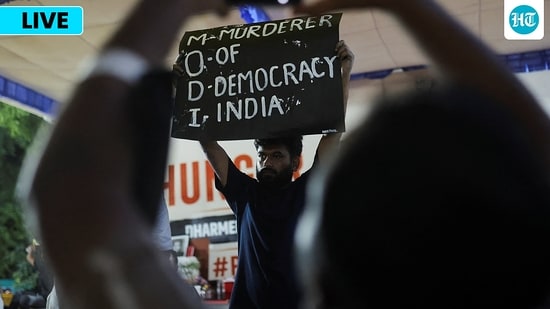
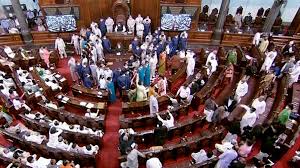
The Indian Parliament is currently facing a serious crisis due to frequent disruptions, which are undermining the very essence of democracy. The recent sessions have highlighted this issue, with the Opposition's refusal to let proceedings continue without discussing important matters like the Special Intensive Revision of electoral rolls. This has resulted in significant delays and stalemates, reflecting a disturbing trend where both the government and the Opposition have become entrenched in their disruptive tactics.
Historically, this problem is not new. Each party has used disruption as a political tool, citing previous actions to justify their current behavior. The BJP, during the UPA rule, was notorious for disrupting parliamentary proceedings, and now, in Opposition, the INDIA bloc has adopted similar strategies. This tit-for-tat mentality has reduced parliamentary decorum to a mere formality, where the focus has shifted from constructive debate to obstruction.
As disruptions have become a regular feature, the quality of parliamentary debate has significantly declined. Both sides are now entrenched in a cycle of mutual contempt. The ruling party prefers to push through legislation without meaningful consultation, treating Parliament more as a rubber stamp than a forum for debate. In contrast, the Opposition has neglected its role in holding the government accountable, opting instead for disruption.
This decline in parliamentary standards is alarming. The time allocated for meaningful discussions has decreased, and the frequency of disruptions has increased. In this environment, civilised debate has become impossible, and the very concept of representative democracy is at risk.
A collective reset is urgently needed. A fair and binding code of conduct, agreed upon by all parties, could help restore order. Learning from other democracies, India could allocate specific days for the Opposition to raise issues of their choosing, which would foster genuine dialogue and reduce disruptions. By establishing clear rules, Parliament can refocus on its primary duty of legislative action and public representation.
The diminishing role of Parliament in Indian political life poses a grave threat to democracy. It is imperative for the custodians of Parliament—the presiding officers, members, and political leaders—to take decisive action. The institution must not only be preserved as a constitutional design but revitalised as a vibrant forum for democratic engagement. If Parliament loses its effectiveness, the entire democratic experiment in India is at risk. The citizens of India deserve a Parliament that reflects their aspirations and addresses their concerns with wisdom.