
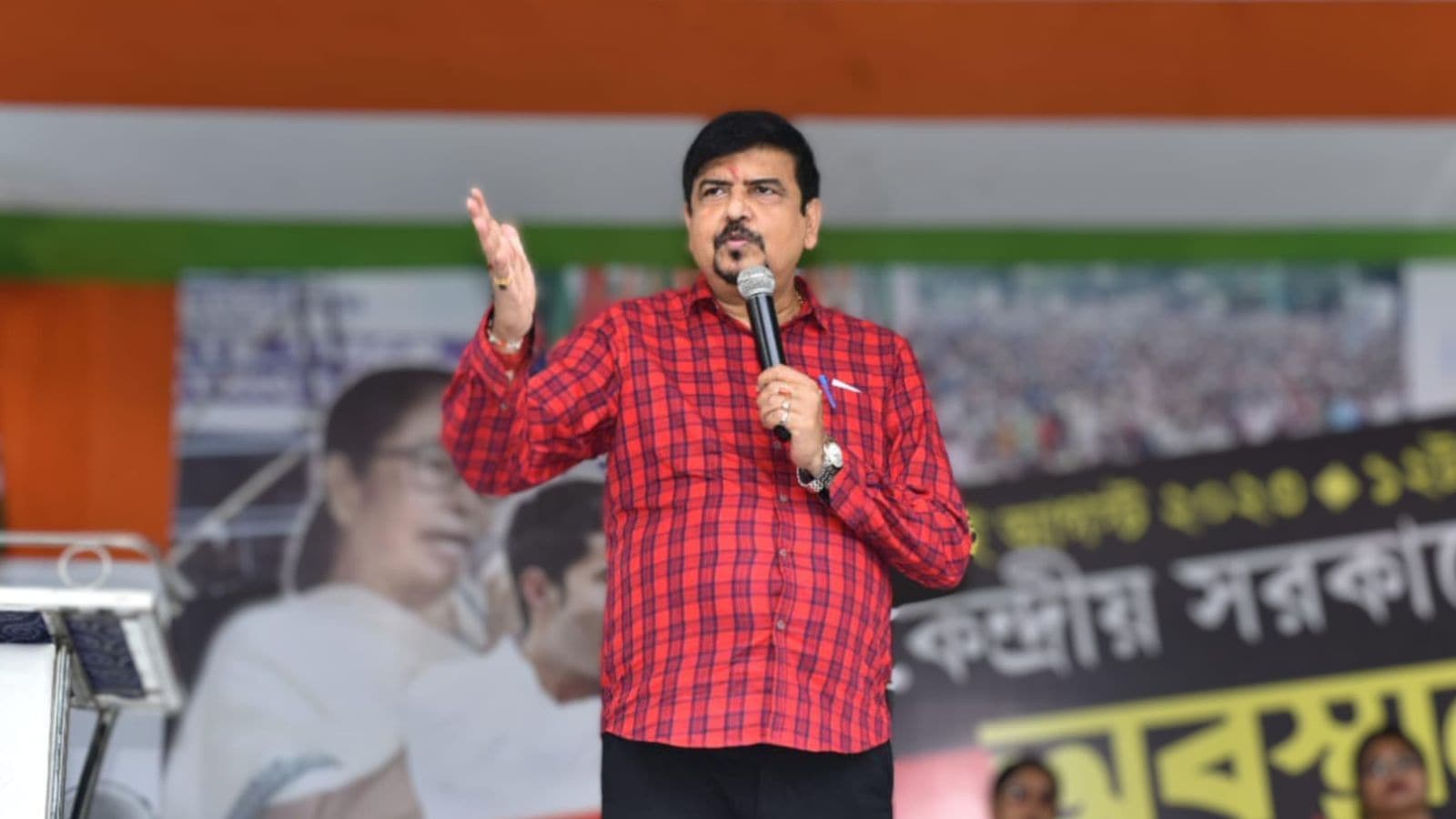
ED Raids Bengal Minister's Property in Jobs Scam
The Enforcement Directorate (ED) has recently conducted a series of raids across Kolkata, targeting six locations linked to an ongoing investigation into recruitment irregularities within a civic organization. Among these locations is the residence and office of West Bengal minister Sujit Bose, which has raised eyebrows given his prominent political position.
The raids were carried out with the intent to gather documents related to alleged corruption. An ED official revealed that the minister's office was not initially on their list, making its inclusion a significant development in this case. This investigation sheds light on the broader issue of corruption that plagues various sectors in India, particularly those connected to government jobs.
In January 2024, the ED had already raided Bose's residence and subjected him to extensive questioning lasting over 12 hours as part of the same case. These actions indicate the seriousness with which the ED is pursuing this investigation, aiming to expose any malpractices that may have occurred during the recruitment processes.
The implications of these raids are profound, especially in a country like India, where the integrity of public services is paramount. Corruption in recruitment not only undermines public trust but also affects the opportunities available to deserving candidates. The ongoing scrutiny of public officials serves as a reminder of the need for transparency and accountability in governance.
As the investigation unfolds, it will be interesting to see the reactions from the political landscape in West Bengal. Political parties often respond strongly to such allegations, and the outcomes could have significant repercussions for the ruling party and the minister involved. This situation underscores the importance of vigilance against corruption and the role of investigative agencies in upholding the rule of law.
In conclusion, the ED's raids on Minister Sujit Bose's property are a critical step in addressing concerns about corruption in public recruitment. The case highlights the ongoing battle against corruption in India, emphasizing the need for reforms to ensure fairness and integrity in government processes.







