Empowering India's Future: New Reform Panels Launched
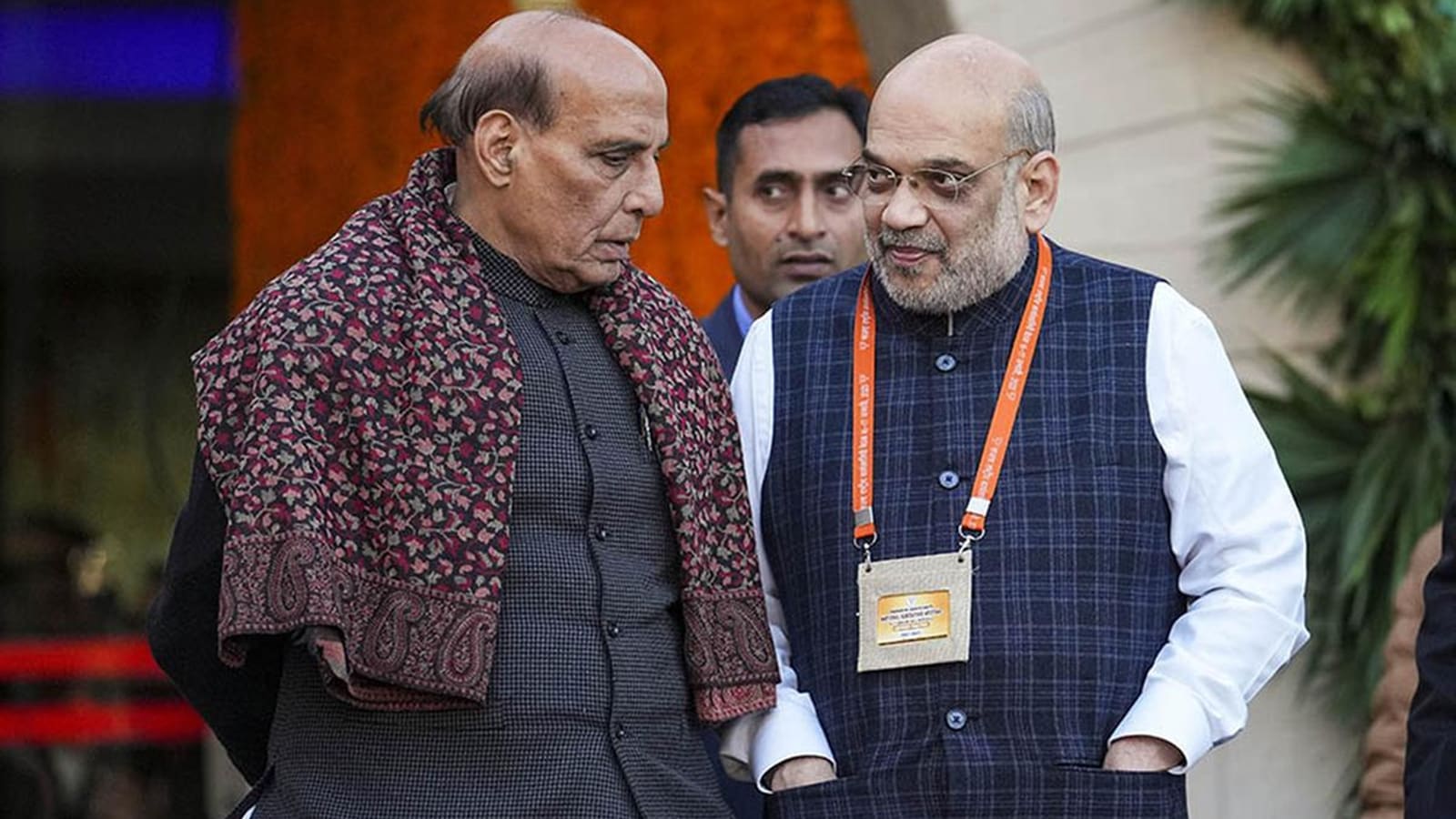
In a noteworthy development, the Indian government has established two new informal groups of ministers (iGoMs) to spearhead reforms in the economic and social sectors. Under the leadership of Home Minister Amit Shah and Defence Minister Rajnath Singh, these panels aim to create actionable plans that will significantly impact the nation.
Amit Shah's group consists of 13 members, including prominent figures such as Finance Minister Nirmala Sitharaman and Commerce and Industry Minister Piyush Goyal. The group is tasked with focusing on legislative and policy reforms in crucial areas like finance, industry, infrastructure, and governance. They will work on aligning these reforms with the vision of making India a developed nation by 2047, as emphasized by Prime Minister Narendra Modi in his recent address.
On the other hand, Rajnath Singh's panel, which comprises 18 members, will examine the scope for reforms in social welfare, education, healthcare, and other important sectors. This diverse group includes Ministers like Nitin Gadkari and Shivraj Singh Chouhan, aiming to address pressing issues related to social security and public health.
The formation of these panels follows PM Modi's Independence Day speech, where he stressed the need for next-generation reforms that suit the challenges of the 21st century. The groups have been instructed to provide monthly reports on their progress and submit a comprehensive roadmap for reforms after three months.
According to government sources, these iGoMs are expected to go beyond advisory roles. They are tasked with developing actionable roadmaps that include measurable outcomes to track progress. This includes reducing compliance burdens for citizens and businesses, enhancing productivity, and dismantling legacy bottlenecks. The emphasis is on creating a streamlined approach to governance that can drive employment generation and overall economic growth.
The Prime Minister's focus on these reforms indicates a strong commitment to tackling both social and economic challenges. By including various ministers in these panels, the government aims to ensure that decisions can be made swiftly, addressing the urgent needs of the nation.
Furthermore, the panels will also suggest legislative reforms that may involve repealing or amending existing laws to prepare for upcoming sectors like digital health and fintech. This proactive approach reflects the government's acknowledgment of the need to adapt to modern challenges and opportunities.
In conclusion, these new ministerial groups represent a significant step toward reforming India's economic and social landscape. Their work will be vital in shaping a future where India can thrive as a developed nation, aligning with the aspirations of its citizens.