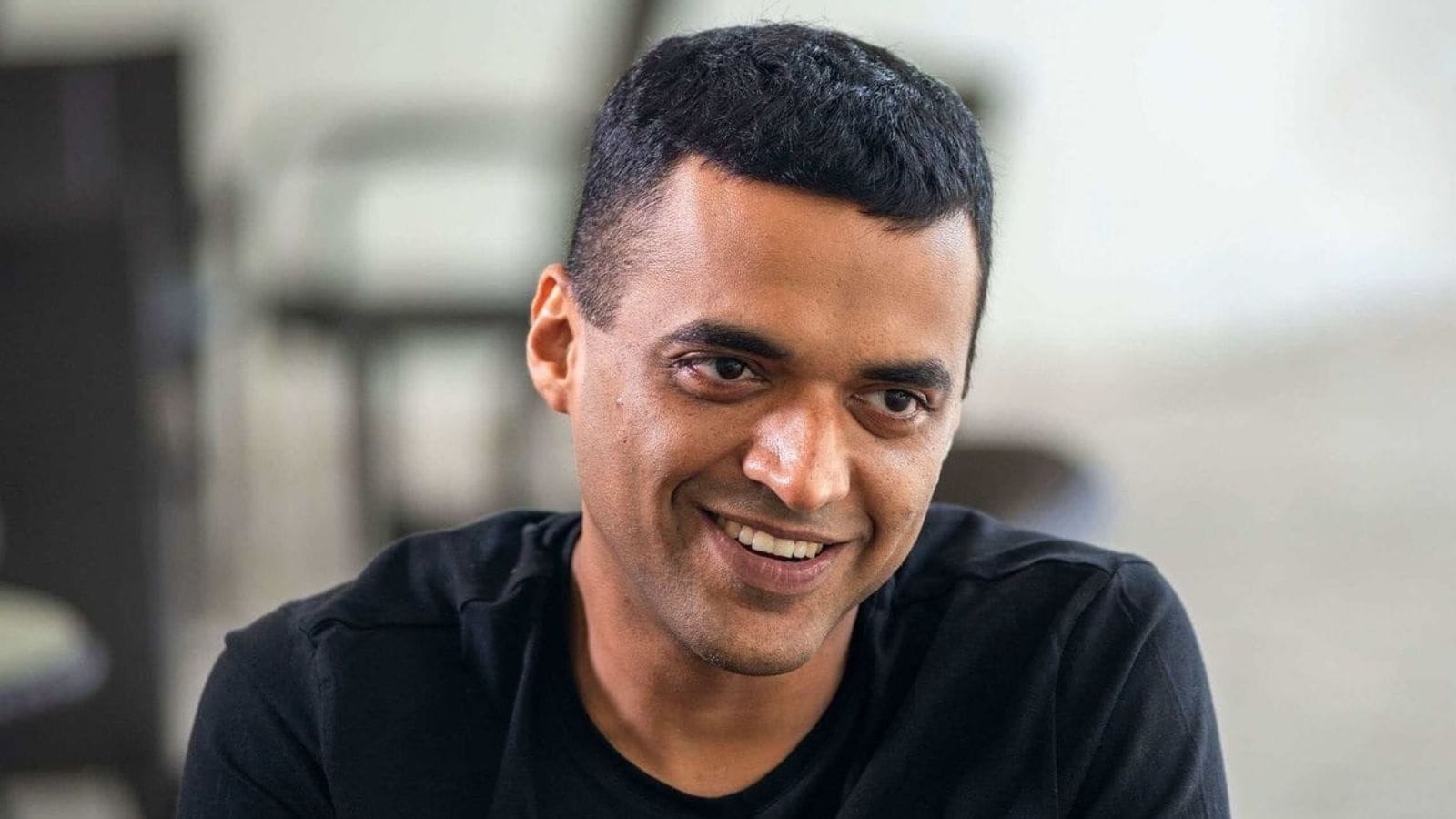
Eternal CEO Deepinder Goyal Resigns Amid Gig Economy Controversy
Deepinder Goyal, the founder and CEO of Eternal, the parent company of Zomato and Blinkit, has stepped down from his position amid rising controversies surrounding India's gig economy. His resignation comes shortly after significant strikes by delivery workers demanding better wages and the right to unionize. Goyal’s remarks, in which he referred to striking workers as "miscreants," have drawn sharp criticism from various worker associations.
Goyal explained his resignation in a letter to shareholders, stating that he is now drawn to new ideas that involve higher-risk exploration and experimentation. He emphasized that these pursuits are better suited outside a public company like Eternal. Albinder Dhindsa, the current CEO of Blinkit, will take over as CEO of Eternal starting February 1, 2024. Meanwhile, Goyal will continue to serve on the board as Vice Chairman, indicating a shift in leadership while retaining some influence.
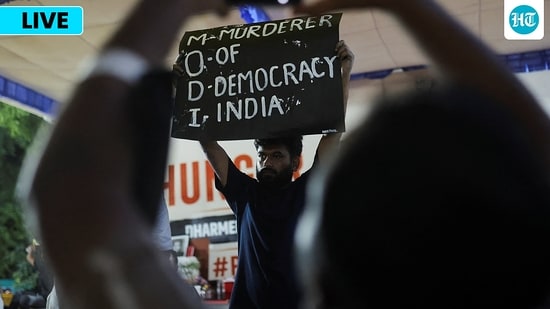
This transition highlights the challenges faced in the gig economy, especially after the recent protests by delivery workers. Goyal argued that the gig economy has created organized jobs at an unprecedented scale in India, providing employment to millions. However, his views sparked outrage, especially as many workers criticized the payment structures that often tie earnings to incentives rather than a guaranteed minimum wage.
Political figures, including Aam Aadmi Party MP Raghav Chadha, have been vocal advocates for the rights of these workers. Chadha has raised the issue in Parliament and spent time with delivery riders, showcasing the struggles they face while working for instant commerce platforms. His efforts highlight the growing discontent among workers who feel unheard and undervalued.
A recent report by The Indian Express revealed that many potential gig workers see these jobs as flexible options, yet the reality often entails long hours without sufficient earnings. Financial incentives typically kick in only after working excessive hours, making it challenging for workers to sustain a livelihood. This situation raises questions about the viability of gig work as a stable employment option.
As Goyal steps down, the future of Eternal and its associated platforms remains uncertain. The new leadership under Dhindsa will need to navigate these complexities, especially in light of the ongoing demands for better working conditions and fair compensation in India's gig economy.