
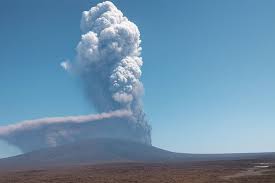
Ethiopia Volcano Eruption: Ash Clouds Clear India
In a remarkable geological event, the Hayli Gubbi volcano in Ethiopia erupted for the first time in 10,000 years, sending ash plumes that reached parts of northwest India, including major states like Delhi, Punjab, and Gujarat. This unexpected natural phenomenon disrupted air travel across the country, with airlines such as Air India and IndiGo forced to adjust their flight operations to ensure passenger safety.
According to the India Meteorological Department (IMD), the ash cloud entered India on a Monday night, causing flight cancellations and delays as it soared up to 45,000 feet in the atmosphere. However, by 10:30 pm on Tuesday, the IMD confirmed that the ash plumes had completely exited India and were moving towards China. This news brought relief to many, especially in metropolitan areas like Delhi, which were already grappling with poor air quality.
The Directorate General of Civil Aviation (DGCA) had issued warnings to airlines, advising them to avoid flight paths through the affected areas. As a result, several international flights were cancelled, and others faced delays. Despite the disruptions, the airlines reassured passengers that safety remained their top priority, and they were closely monitoring the situation in coordination with international aviation bodies.
Interestingly, environmental experts noted that while the ash clouds might appear alarming, they were not expected to have a significant impact on air quality in Delhi. Vimlendu Jha, an environmentalist, mentioned that the ash clouds were composed primarily of sulphur dioxide and glass particles, which would not immediately worsen the already poor air quality. However, he emphasized the importance of monitoring the situation as the ash could linger in the upper atmosphere for several days.
As the ash cloud moved eastward, it left behind a variety of challenges for local communities in Ethiopia, where the eruption had caused significant damage. Villages in the Afar region reported respiratory issues among residents due to the ash-filled air and contamination of livestock feed. This situation highlights the broader implications of volcanic activity, not just in terms of air travel but also for local environments and communities.
In conclusion, while the eruption of the Hayli Gubbi volcano has caused temporary disruptions in India, the situation was handled effectively by aviation authorities and airlines. With no major impact on pollution levels expected, residents can breathe a sigh of relief as they navigate through the lingering effects of this rare geological event.







