GST 2.0: Simplified Two-Slab Structure Introduced
The recent GST Council meeting marked a significant turning point in India's tax structure. The Council has introduced a simplified two-slab GST system with rates of 5% and 18%, aimed at easing the tax burden on common people. This reform is particularly focused on making basic necessities more affordable while also promoting ease of doing business.
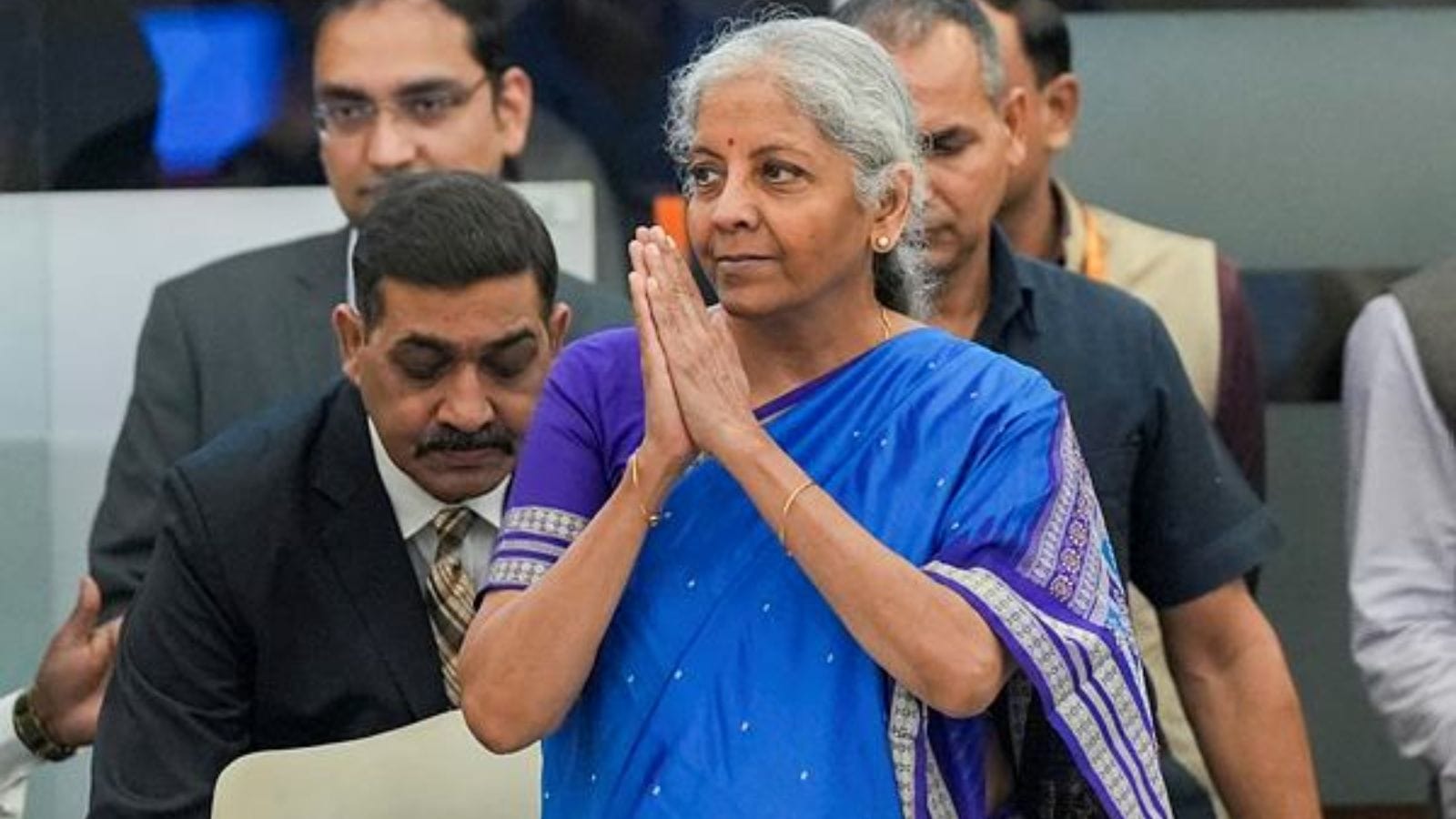
Union Finance Minister Nirmala Sitharaman highlighted that the changes will come into effect on September 22, coinciding with the onset of Navratri. The new rates will lower GST on a wide range of essential items, including food products like fruit juices, dairy, and household goods. By doing so, the government hopes to provide much-needed relief to families and strengthen the economic foundation of the country.
Prime Minister Narendra Modi expressed his satisfaction with these collective decisions, stating that the reforms will benefit all segments of society, including farmers, small and medium enterprises, and the middle class. The aim is to improve the quality of life for citizens while ensuring stability in the market.
Notably, the GST on various everyday items is being reduced significantly. For instance, products such as hair oils, soaps, and bicycles will now be taxed at just 5%. This move is expected to not only lower prices for consumers but also boost demand for these products, ultimately supporting local businesses.
The introduction of a demerit rate of 40% for luxury and sin goods, such as pan masala and tobacco, signifies a targeted approach to taxation where the focus is on discouraging non-essential consumption. This reform is also aimed at correcting the inverted duty structure that has previously burdened businesses with higher taxes on inputs compared to outputs.
Furthermore, life and health insurance policies will now be exempt from GST, which is expected to enhance access to these essential services for individuals and families. Services related to physical well-being, such as gyms and salons, will also see a reduction in GST from 18% to 5%, encouraging people to prioritize their health.
These sweeping reforms are anticipated to streamline the GST process, making it easier for businesses to comply with tax regulations. The Confederation of Indian Industry (CII) has welcomed these changes, asserting that they will promote economic growth and help businesses pass on the benefits to consumers effectively.
In conclusion, the GST Council's new two-slab structure represents a significant advancement in simplifying India's tax regime. By focusing on the common man's needs and promoting ease of doing business, these reforms are set to foster a more robust economic environment.