
GST 2.0: Simplified Two-Slab Tax Structure Unveiled
The GST Council's recent meeting has ushered in a new era for India's Goods and Services Tax (GST) system. After a lengthy 10-hour discussion, the council has approved a revolutionary two-slab structure consisting of 5% and 18% rates. This change is aimed at alleviating the tax burden on common citizens while simplifying the tax framework for businesses.
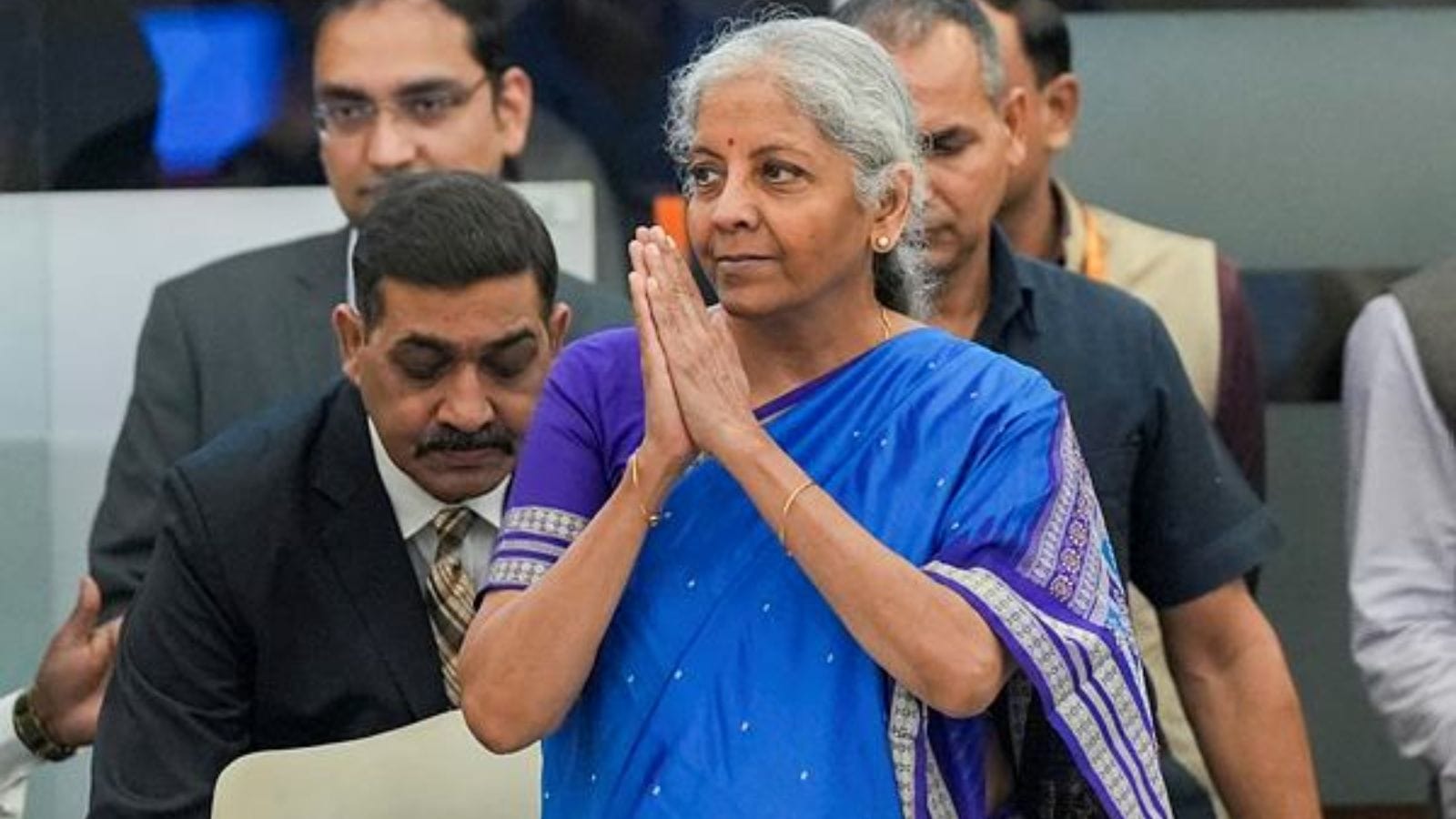
Effective from September 22, the new GST rates will apply to a wide range of essential goods and services. Union Finance Minister Nirmala Sitharaman emphasized that these reforms will directly benefit the common man, farmers, and small businesses, promoting the ease of living and doing business in India.
Among the key changes, many everyday items, including packaged foods, medical supplies, and personal care products, will see their GST rates reduced. For instance, items such as fruit juices, butter, and medical-grade oxygen will now be taxed at 5% instead of 12% or 18%. The council has also eliminated the GST on certain basic items like plain chapati and erasers, making them more affordable for the public.
Furthermore, the GST on white goods such as air conditioners and televisions is set to decrease from 28% to 18%, while small cars will also fall under the 18% slab. The aim is to provide relief to consumers and stimulate demand in the economy. Notably, electric vehicles will maintain their existing 5% GST rate, ensuring that green technology remains accessible.
The decision to simplify the GST structure has been broadly welcomed by various stakeholders. The Confederation of Indian Industry (CII) praised the council's forward-thinking decisions, stating that these changes will ease compliance and reduce litigation, providing much-needed predictability for businesses and consumers alike.
Despite concerns about potential revenue losses for states, which were estimated to be between Rs 80,000 crore to Rs 1.5 lakh crore, the GST Council reached a consensus to prioritize the welfare of the common man. This decision showcases the collaborative spirit between the Union and state governments.
In conclusion, the GST reforms introduced in this recent council meeting are a significant step towards creating a more equitable tax system in India. By streamlining the tax structure and reducing rates on essential goods, these changes are expected to boost economic growth and improve the lives of millions of citizens across the country.







