
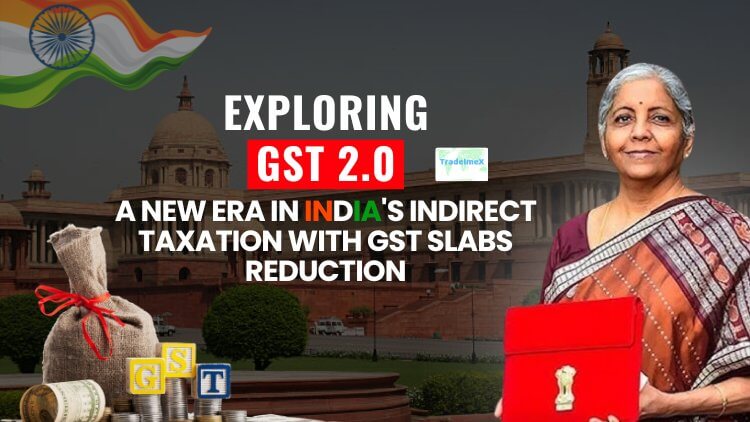
GST 2.0: Temporary Sales Dip, Strong Demand Ahead
The rollout of GST 2.0 has brought significant changes to the Indian market, affecting sales across various sectors. While consumption demand is expected to strengthen in the coming months, companies are currently facing a dip in sales during the July-September quarter. This downturn is particularly evident in the fast-moving consumer goods (FMCG) sector and price-sensitive consumer durables.
Hindustan Unilever, a major player in the FMCG market, has flagged a risk of “near flat to low-single digit” business growth in Q2. The company attributes this to disruptions in the supply chain as distributors and retailers work to clear existing inventory at old prices. Consumers are postponing purchases, anticipating new stocks with adjusted prices, leading to a short-term sales impact.
Despite these challenges, industry experts remain optimistic about the future. They anticipate a rebound in demand as disposable incomes rise due to the cumulative effects of GST rate cuts and income tax adjustments announced in the recent budget. As prices stabilize, companies expect to see growth pick up from November onwards.
Additionally, sectors dealing with price-sensitive consumer durables, such as air conditioners and refrigerators, are also feeling the pinch. Consumers are delaying purchases in hopes of better discounts post-GST 2.0 rollout. The peak purchasing season for summer products has ended, leaving companies with high inventory levels and pressing margins.
Experts believe the upcoming festive season will revive demand significantly. Historical data suggests that following major GST implementations, there is a surge in volume growth, particularly in categories with low-unit packs and impulse items. Reports indicate that snacks, chocolates, and personal care products are expected to see an uptick as consumers respond positively to price reductions.
Furthermore, the GST cuts are projected to boost entry-level segments, particularly in the automotive sector, which has witnessed a slump in recent years. Initial reports from the first day of GST 2.0 indicated a surge in inquiries and sales for companies like Maruti Suzuki and Tata Motors, signaling a potential recovery in this market.
In conclusion, while the immediate effect of GST 2.0 has led to a sales dip, the long-term outlook appears promising. With rising disposable incomes and the festive season approaching, experts predict a significant recovery in consumer demand, setting the stage for growth in the upcoming quarters.







