
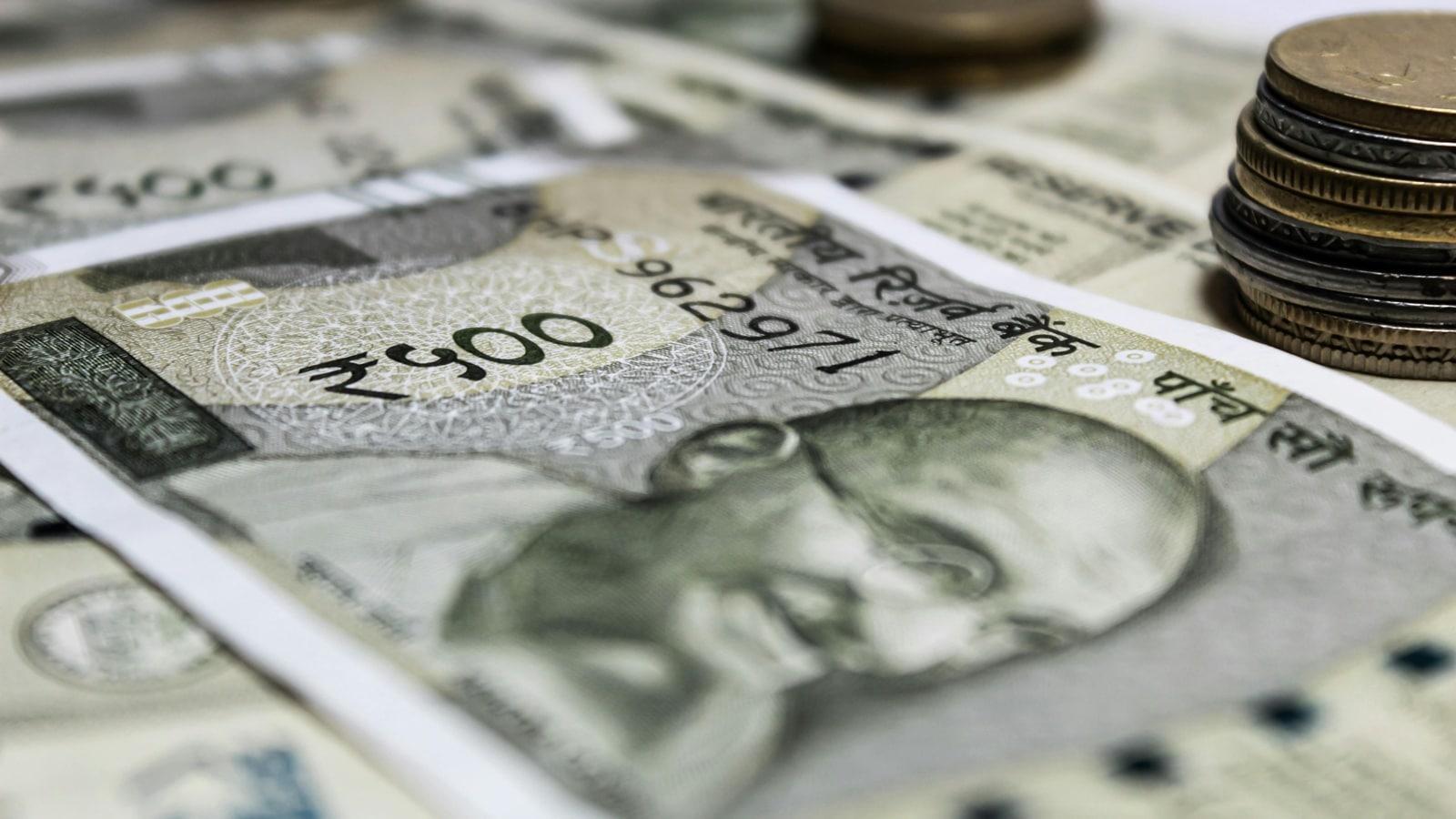
GST Collections Steady at ₹1.70 Lakh Crore in November
In November, India's gross Goods and Services Tax (GST) collections remained flat at ₹1.70 lakh crore, showing little change compared to ₹1.69 lakh crore collected last year. This stability comes after the implementation of significant rate cuts under the GST 2.0, which affected over 375 items starting from September 22. Despite the unchanged gross collections, officials are optimistic about the consumption boost observed in recent months.
During September and October, the taxable value of all supplies under GST grew by an impressive 15%, compared to only 8.6% growth during the same period last year. This surge indicates that reduced tax rates are stimulating higher consumer spending. Officials noted that the growth in taxable value is a positive sign, suggesting that lower rates have directly translated into stronger demand for goods and services.
However, gross GST collections, after accounting for refunds and excluding the compensation cess, stood at ₹1.52 lakh crore, reflecting a modest increase of 1.3% from the previous year. When including cess, net GST collections totaled ₹1.56 lakh crore, which is a decrease of 4.2% compared to last year. This dip in collections is noteworthy, particularly in light of the government's efforts to enhance compliance and simplify the tax structure.
Experts, including MS Mani from Deloitte India, indicated that while a moderation in GST collections was anticipated due to the steep rate cuts, a corresponding increase in consumption was also expected. They emphasized that the overall stability in collections suggests that increased spending is helping to offset losses from the rate reductions. However, the next few months will be critical to determine if fiscal targets for FY26 can be met.
Some sectors, particularly fast-moving consumer goods, pharmaceuticals, and automobiles have shown strong performance in terms of taxable supply value. For instance, the taxable value of cement, glass, and ceramic products rose by 19% year-on-year, while two-wheelers saw an 18% increase. This indicates a shift in consumer preferences towards more affordable options, likely due to economic factors and changing market dynamics.
Post-September 22, the GST rate structure was simplified into two slabs of 5% and 18%, along with a special rate for luxury goods. This restructuring aimed to streamline the tax system and improve compliance. However, the decline in cess collections, which fell significantly in November, raises concerns about future revenue streams, especially as the government looks to balance its budget and support state compensation needs.
Overall, the flat GST collections in November reflect a complex interplay of tax policy changes and consumer behavior. As the economy continues to recover, the government's focus on stimulating consumption through lower tax rates could pave the way for improved revenue in the coming months.







