H-1B Visa Approvals Drop for Indian Firms
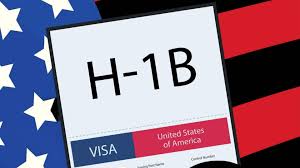
The approval rates for H-1B visas among Indian companies have seen a significant decline, shedding light on a changing landscape in the U.S. job market. In FY25, the top seven Indian-based companies received only 4,573 H-1B visa approvals for initial employment. This figure marks a staggering 70% decrease compared to FY15 and 37% fewer than in FY24. Such a decline raises concerns about the future of skilled labor migration from India.
According to a recent analysis by the National Foundation for American Policy (NFAP), the H-1B visa is primarily intended for new employment, counting against the annual cap of 65,000 visas. Companies with master’s degrees or higher from U.S. universities can benefit from an exemption of 20,000 visas. The report notes that only three Indian companies made it to the top 25 employers for approved H-1B visas in FY25.
In contrast, U.S. tech giants like Amazon and Meta are thriving in this regard. Amazon led with 4,644 approvals, followed by Meta with 1,555 and Microsoft with 1,394. This disparity indicates a shift where Indian firms are pivoting towards providing IT services to the U.S. market with fewer H-1B visas, focusing on efficiency rather than volume.
Stuart Anderson, NFAP's executive director, emphasized this trend, stating that Indian companies are adapting to the U.S. landscape by employing fewer visa holders. This change comes at a time when U.S. tech firms are aggressively hiring talent, including foreign graduates from American universities, to support their expansive AI initiatives and development projects.
The report also highlights that 28,277 employers in the U.S. were approved to hire at least one new H-1B visa holder in FY25. Fewer employers are securing multiple approvals, with 61% receiving just one visa and 95% approving ten or fewer applications. This suggests a concentration of approvals among smaller employers, with over half going to those with 15 or fewer total visa approvals.
The current discourse surrounding H-1B visas is heightened due to political debates on immigration and workforce shortages. With discussions led by former President Donald Trump about the need for more American talent in key industries, the future of skilled immigration remains uncertain. The implications of these trends are significant for both Indian companies and the global labor market.