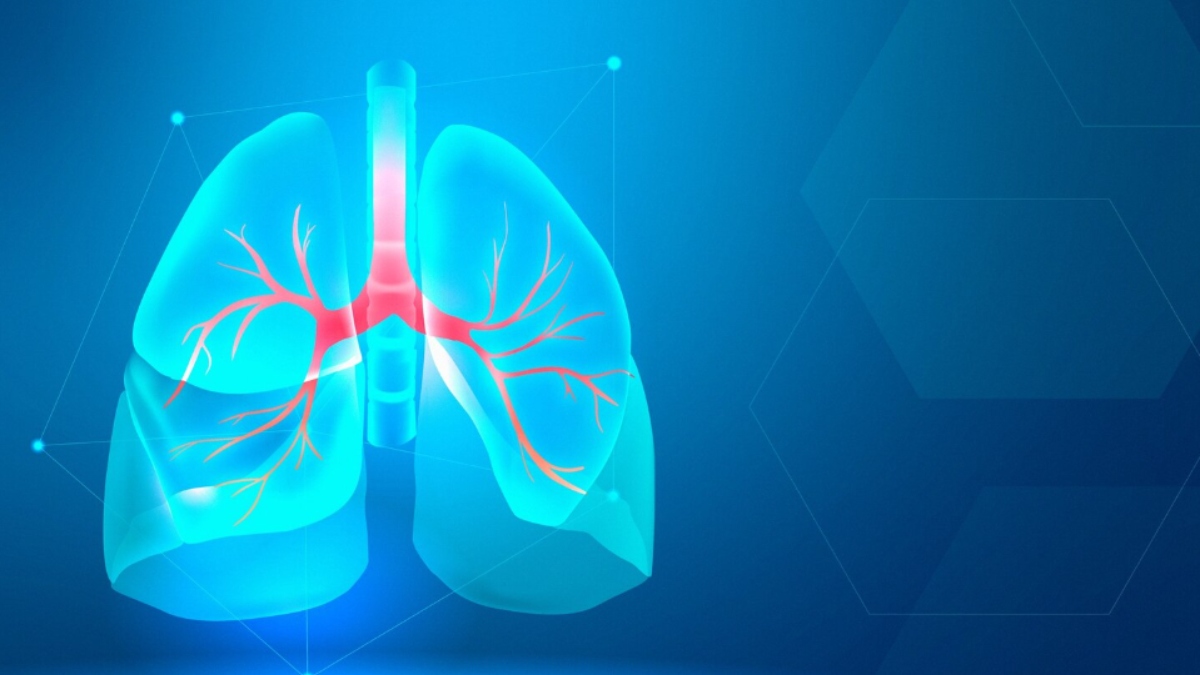
Impact of Air Quality on Asthma and COPD in India
As winter approaches, northern India, particularly the National Capital Region (NCR), faces a notorious drop in air quality, posing significant health risks, especially for those suffering from chronic respiratory conditions like asthma and Chronic Obstructive Pulmonary Disease (COPD). The Air Quality Index (AQI) often falls into the "poor" or "very poor" categories, which indicates that immediate attention is needed to protect vulnerable populations.
People with existing lung conditions can be severely impacted by small changes in AQI levels. Dangerous particulate matter, such as PM2.5 and PM10, can penetrate deeply into the lungs and increase during periods of declining air quality. This exposure triggers inflammation in the airways, leading to symptoms like chest tightness, wheezing, shortness of breath, and persistent coughing.
Dr. Ankit Kumar Sinha, a Senior Consultant at Max Super Speciality Hospital, highlights that external pollution isn't the only concern. During winter, many people close their windows to keep warm, causing indoor pollutants like dust, smoke from cooking, and volatile organic compounds to accumulate. This combination of indoor and outdoor pollutants can exacerbate symptoms, increasing the risk of long-term lung damage.
Vulnerable groups, particularly individuals with pre-existing health conditions, the elderly, and young children, are at a higher risk. Prolonged exposure to poor air quality can diminish lung capacity and increase a child's chances of developing asthma as their lungs develop. Conversely, the elderly may find it more challenging to recover from pollution-related respiratory issues due to weaker immune systems.
The cumulative effect of low AQI levels makes this season particularly challenging. Even if air quality temporarily improves, continuous exposure over days or weeks can lead to persistent inflammation. Patients might experience ongoing shortness of breath, increased fatigue, and a greater dependency on inhalers or bronchodilators.
However, awareness and preventive measures can make a significant difference in outcomes. By monitoring daily AQI levels through reliable apps or official websites, individuals can plan their outdoor activities more effectively. It is advisable to stay indoors on days with poor air quality, use air purifiers when possible, and wear N95 or similar masks when outside. Proper ventilation during cleaner air periods, staying hydrated, and adhering to prescribed medications can also ease the strain on the lungs.
Moreover, pulmonary rehabilitation and respiratory exercises are gaining attention for improving lung capacity and endurance. Simple practices like maintaining indoor humidity levels and using saline solutions for nasal rinsing can also help alleviate symptoms.
In conclusion, fluctuations in air quality represent a pressing public health issue and an environmental challenge. Knowing how to adapt and protect respiratory health can significantly lower the risk of complications for asthma and COPD patients during heightened pollution levels.