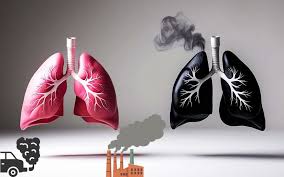
Impact of Severe AQI on Lung Health
Winters in India bring not only the chill but also a disturbing rise in air pollution, especially in cities like Delhi and Mumbai. With the Air Quality Index (AQI) often exceeding 400, the air quality falls into the “severe” category, posing health risks even for individuals without prior conditions. Experiencing symptoms such as burning eyes and fatigue after brief outdoor exposure is common, but the real threats lurk within our lungs.
Experts, particularly pulmonologists, highlight that pollution at this level can severely compromise lung function. The microscopic particulate matter, including PM2.5 and PM10, can penetrate the airways and settle deep in the lungs. Once inhaled, these particles trigger inflammation, leading to structural damage over time and increasing the likelihood of chronic respiratory diseases.
The lungs are equipped with tiny hair-like structures called cilia, which play a crucial role in sweeping away mucus, bacteria, and pollutants. However, exposure to high pollution levels can damage or paralyze these cilia, weakening the body's natural defenses. This is why during smog seasons, many individuals seem to fall ill simultaneously; the body struggles to fend off infections due to reduced resistance.
Recent studies have shown that long-term exposure to PM2.5 can heighten the risk of lower respiratory infections by up to 44%, particularly pneumonia. Prolonged exposure to PM10 can also lead to chronic conditions such as chronic bronchitis, affecting even those with previously healthy lungs. The correlation between air pollution and respiratory illnesses is becoming increasingly evident.
Health professionals warn that pneumonia, once considered a seasonal infection, is now linked to pollution levels. The continuous inhalation of toxic air inflames the respiratory tract, leading to complications such as fluid accumulation in the lungs, making breathing difficult. This systemic impact further stresses the immune system, making it more challenging to recover from infections.
Certain groups, including those with pre-existing respiratory conditions, are at greater risk of severe outcomes during pollution spikes, often requiring hospitalization. While N95 masks and air purifiers provide some level of protection, they aren't foolproof. Masks lose their effectiveness when removed, and air purifiers face challenges like cost and incomplete filtration.
As AQI levels rise beyond 400, every breath taken becomes potentially harmful. The harmful particles not only irritate but also contribute to inflammation and increased vulnerability to serious infections. Thus, the key is to monitor air quality actively, modify outdoor activities, bolster immunity, and seek medical help promptly if needed. The effects of pollution may linger long after the smog clears, making awareness and protection crucial for public health.