Indian Wildlife's Astonishing Comeback Stories
India's wildlife narrative is a powerful blend of challenges and victories. While the country has faced significant losses in biodiversity, it is equally remarkable for the inspiring recovery stories of several species that were once on the brink of extinction. Through the combined efforts of government initiatives, community engagement, and scientific management, these animals have made a comeback, showcasing India's commitment to wildlife conservation.
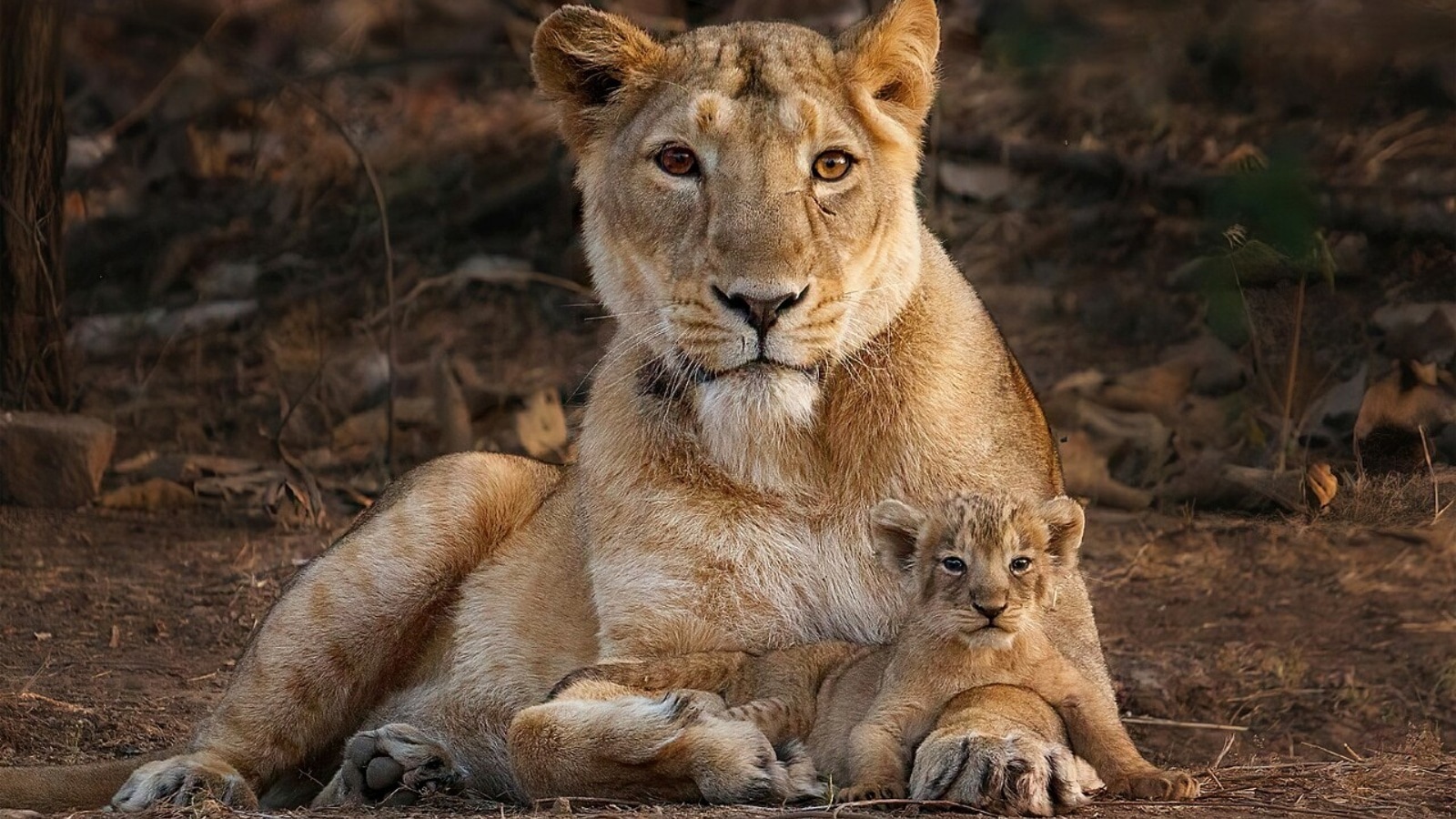
One of the most notable success stories is that of the Asiatic lion. This majestic creature, found only in Gujarat’s Gir Forest, saw its population dwindle to around 20 in the late 19th century due to hunting and habitat loss. A pivotal intervention by the Nawab of Junagadh followed by Project Lion’s dedicated conservation efforts has led to a remarkable recovery. Today, over 670 lions roam the Gir landscape, with their habitat expanding thanks to ongoing monitoring and community partnerships.
In Assam, the greater one-horned rhinoceros faced a similar fate, with numbers dropping to a mere 75 by 1905. The establishment of Kaziranga National Park, coupled with rigorous anti-poaching measures, transformed their future. Now, Kaziranga boasts over 2,400 rhinoceroses, making it home to the largest population of this species globally, with additional rhinos thriving in nearby parks.
Another inspiring tale comes from Nagaland, where the Amur falcon's annual migration was once threatened by mass hunting. Community-led initiatives in 2012 created awareness and enforced protective measures, turning villagers into guardians of these birds. As a result, Nagaland is now celebrated as the Amur Falcon capital of the world, with no reported mass-hunting incidents in recent years.
Along the coast of Odisha, the Olive Ridley turtles face threats from trawling and coastal development. However, conservation efforts such as protected marine zones and community beach patrols have led to a resurgence in their nesting populations, making Odisha a global stronghold for these turtles.
Lastly, the hard-ground barasingha, the state animal of Madhya Pradesh, experienced a drastic decline to just 60 individuals in Kanha National Park during the 1960s. Thanks to habitat restoration and careful population management, their numbers have increased to over 800, with reintroduction efforts expanding their range.
These remarkable stories highlight India's dedication to wildlife conservation and the positive impact of community involvement, inspiring hope for the future of endangered species.