India's Air Pollution Crisis: The Hidden Pneumonia Threat
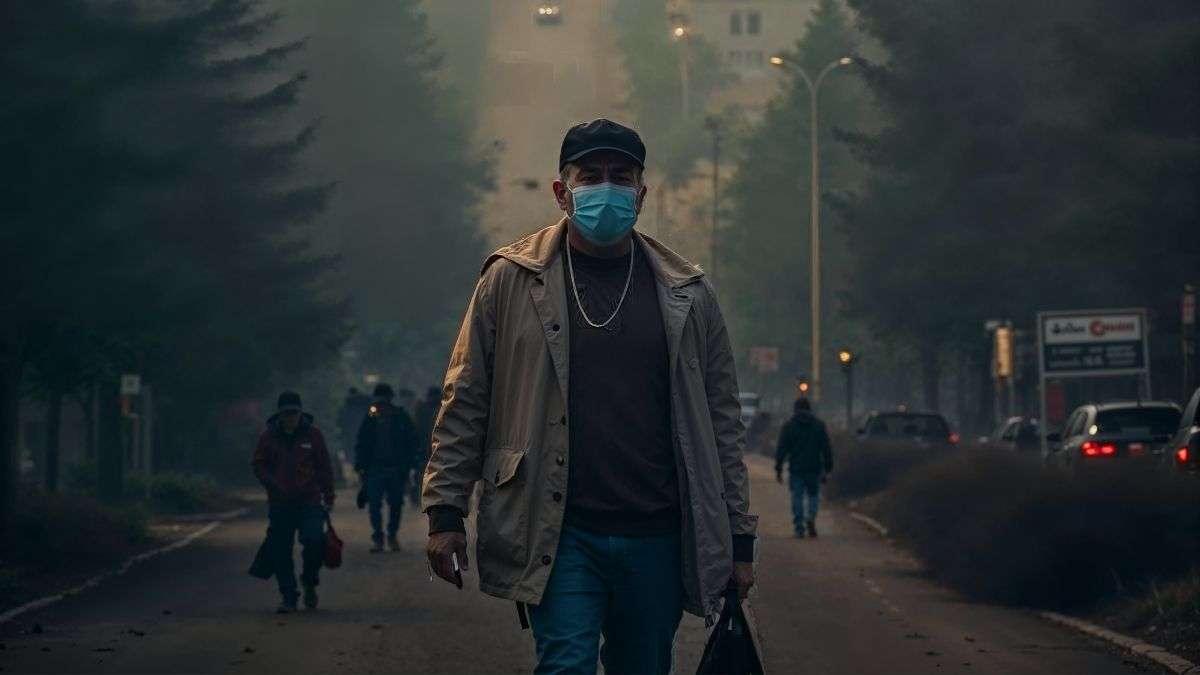
India is grappling with a severe health crisis as winter smog transforms toxic air into a hidden menace, similar to tobacco smoke. With the onset of winter, cities like Delhi and Kolkata are enveloped in a thick haze, prompting residents to don masks not just for viral protection, but to shield themselves from the harmful effects of air pollution.
Doctors are now raising alarms, drawing parallels between polluted air and tobacco smoke. They warn that the current state of air quality is weakening our lungs, diminishing our natural defenses, and setting the stage for dangerous infections such as pneumonia. Vulnerable populations, including children, the elderly, and individuals with pre-existing conditions, are at the highest risk during this smog-laden season.
Fine particulate matter, specifically PM2.5 and PM10, has emerged as the primary culprit. These microscopic particles penetrate deep into the lungs and may even enter the bloodstream, triggering inflammation and suppressing the immune system. As a result, the body becomes less capable of fighting off viruses and bacteria, making infections more severe.
The alarming rise in pneumonia cases during winter months is no coincidence. Hospitals in major Indian cities consistently report increased admissions for pneumonia, particularly when pollution levels peak. The impact of air pollution on lung health is particularly grave for children, whose developing lungs are more susceptible to damage and limited growth.
Experts like Dr. Mihir Gangakhedkar assert that the relationship between polluted air and cigarette smoke is measurable. He emphasizes that long-term exposure to PM2.5 can mimic the effects of passive smoking, leading to chronic lung conditions and making every infection more perilous.
As the pollution crisis continues, doctors urge the public to take preventive measures such as wearing N95 masks outdoors, using air purifiers, and staying indoors on days with severe air quality. However, these are merely temporary fixes. Lasting solutions require systemic changes, including cleaner transportation options and stricter industrial regulations.
India's air pollution is not just a seasonal inconvenience; it’s a “silent epidemic” that gradually deteriorates lung health. If urgent actions are not taken collectively and individually, pneumonia may become a common consequence of simply breathing in polluted urban areas.