India's Taliban Engagement: Balancing Morality and Pragmatism
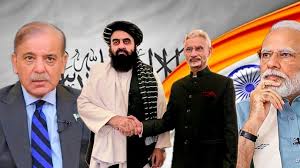
India's recent engagement with the Taliban reflects the intricate interplay between moral principles and pragmatic foreign policy. The visit of Afghanistan's Foreign Minister to New Delhi is a clear example of this balance. As India aims to secure its interests in a region marked by instability, it must navigate its historical ties with Afghanistan while grappling with the challenges posed by the Taliban's rule.
India's rationale for engaging with the Taliban is grounded in three main considerations. Firstly, a stable Afghanistan is crucial for India's national security, particularly in light of the longstanding threat posed by cross-border terrorism from Pakistan. Secondly, India has invested significantly in Afghanistan's development, making it imperative to maintain channels of communication and cooperation to protect these investments. Lastly, India’s outreach serves as a hedging strategy in a region where geopolitical rivalries are intensifying, ensuring that India does not cede influence to rival nations.
While the meetings with Taliban officials were diplomatically significant, they were marred by a controversy over the exclusion of women journalists from a press event. This incident sparked outrage across Indian media and civil society, highlighting the ethical dilemmas associated with engaging a regime that systematically undermines women's rights. The Indian government distanced itself from the episode, indicating the complex moral landscape that accompanies such diplomatic outreach.
The historical context of India-Taliban relations adds another layer to this dilemma. The first Taliban regime's collaboration with Pakistan during incidents such as the hijacking of Indian Airlines Flight IC 814 has left lasting scars. India’s previous stance of non-cooperation with the Taliban for over two decades underscores the challenges of reconciling past grievances with current strategic needs.
Despite the pressing humanitarian crisis in Afghanistan, India must remain vigilant about its moral stances. The juxtaposition of engaging with a regime that treats women poorly against India's historical opposition to apartheid raises important questions about ethical consistency in foreign policy. How can India justify its current approach? This is a matter of leverage and urgency, where the complexities of the situation necessitate a pragmatic, if uncomfortable, engagement.
Moving forward, India must pursue a diplomatic strategy that prioritizes ethical considerations alongside national interests. This includes ensuring that humanitarian aid focuses on women's needs and that diplomatic recognition does not come at the cost of compromising on core values. Active public scrutiny and accountability mechanisms will be crucial in shaping this engagement, ensuring that it aligns with India's democratic principles.
The delicate dance of diplomacy with the Taliban serves as a reminder of the contradictions inherent in foreign policy. India must strive to balance its security imperatives with its commitment to uphold fundamental rights, ensuring that its actions resonate with the values it espouses. In doing so, the government must remain true to the legacy of Mahatma Gandhi, who emphasized that noble ends do not justify ignoble means.