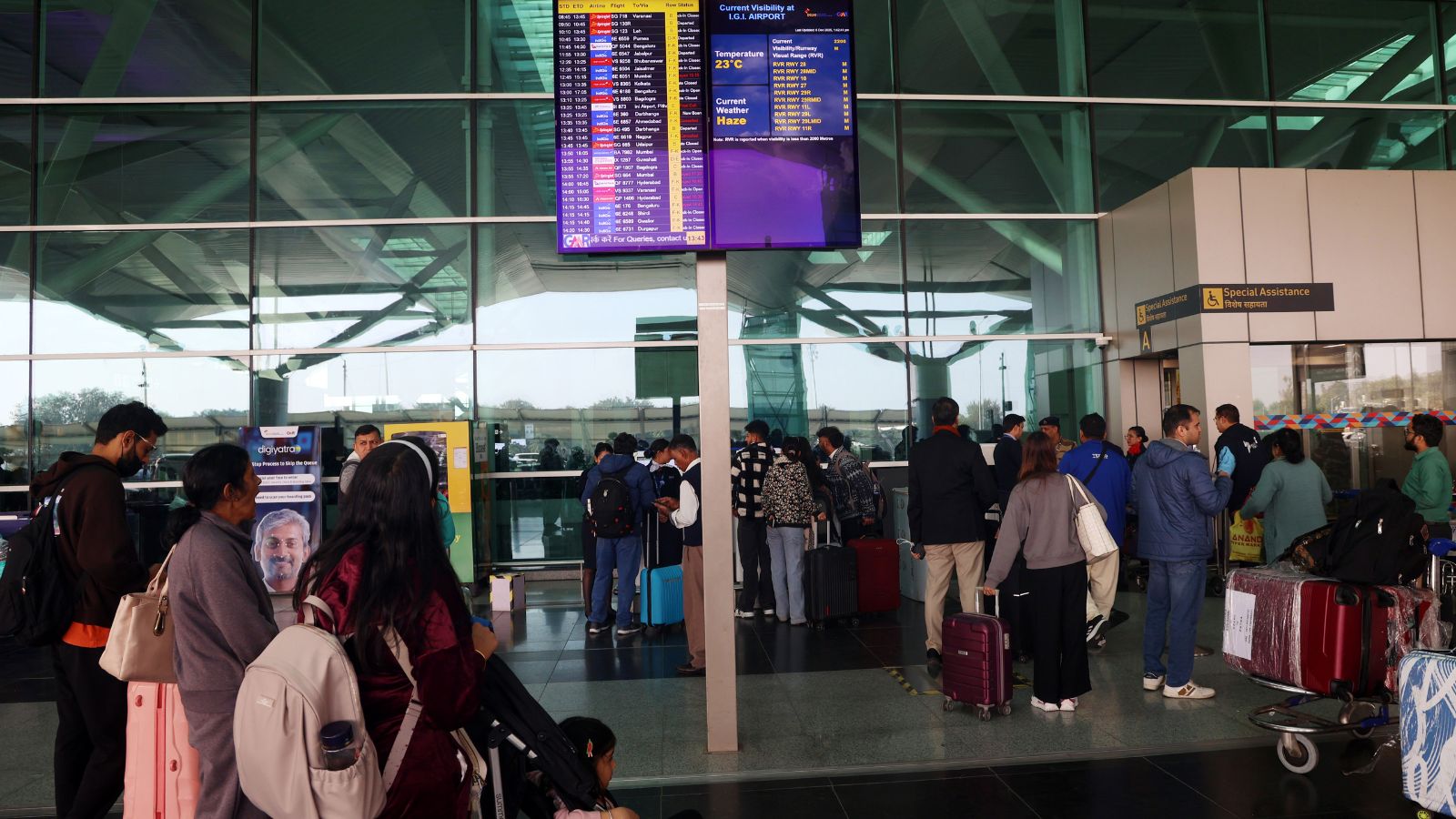
IndiGo's Monopoly: A Wake-Up Call for Indian Aviation
IndiGo, India's largest airline, plays a pivotal role in the country's aviation landscape, operating around 950 routes. Of these, a staggering 63% are monopoly routes, meaning only IndiGo services these paths. This dominance became alarmingly clear when a recent crisis led to a wave of flight cancellations, disrupting travel plans for many across the nation. While IndiGo's operational efficiency has kept numerous routes alive, it raises pressing concerns about competition and the overall health of the aviation market.
As of now, IndiGo and the Air India group dominate the domestic aviation sector with a combined market share exceeding 90%. This high concentration has prompted experts to warn about the potential risks involved. The lack of competition could lead to fewer choices for consumers, higher prices, and a stagnation in innovation. The recent disruptions have showcased the vulnerabilities associated with such market dominance.
The Indian aviation sector has witnessed a significant rise in demand for air travel. Civil Aviation Minister K Rammohan Naidu emphasized that with increasing demand, the country needs at least five major airlines to ensure a robust and competitive environment. This calls for a shift in policy to encourage the entry of new players in the market, which could potentially enhance service quality and options for travelers.
Over the years, many domestic airlines have struggled to survive, with notable failures like Go First and Jet Airways highlighting the challenges faced by competitors. While IndiGo has set benchmarks for operational efficiency and safety, its monopoly status is not necessarily a result of market strategy but rather the failure of other airlines to compete effectively.
Experts argue that while large companies can drive efficiency and stability, an overwhelming market share can stifle competition and create high barriers for new entrants. The situation serves as a crucial lesson for policymakers, indicating the need to monitor and manage market concentration in various industries, especially in aviation.
India's aviation sector, like many others, is at a crossroads. As the Herfindahl-Hirschman Index suggests, several industries have crossed into high concentration territory, raising alarms about the implications for consumers and the economy. Therefore, the IndiGo crisis serves as a wake-up call, urging a reevaluation of market dynamics to foster a healthier competitive landscape in India's aviation sector.