Japan's EV Reboot: Racing Against China
Japan's car manufacturers, known for their reliability, are currently facing fierce competition from China's rapidly advancing electric vehicle (EV) market. In response, these automakers are pooling resources and collaborating to regain their lost ground. By focusing on new technologies, they are attempting to adapt to the fast-evolving global EV landscape.
One key strategy includes reducing vehicle testing times through advanced simulations. Companies like Honda have implemented virtual reality simulators to streamline the development process. Traditionally, Japanese automakers took around 45 months to launch a new vehicle, while Chinese counterparts average less than 20 months. Japan aims to shorten this to under 18 months without compromising quality.
Moreover, Japanese car manufacturers are investing heavily in areas such as solid-state batteries, which promise to enhance vehicle range significantly and reduce charging times. Toyota, a late entrant in the battery electric vehicle race, plans to roll out next-generation solid-state batteries in the coming years. This technology aims to double the range of electric cars while drastically lowering the time needed for charging.
Industry leaders, including Toyota's Akio Toyoda and Suzuki's Toshihiro Suzuki, emphasize that achieving carbon neutrality in the automotive sector requires multiple technological pathways. They argue that battery electric vehicles alone will not ensure a sustainable future. This perspective has been validated by record hybrid vehicle sales globally, showing a strong market for alternative solutions.
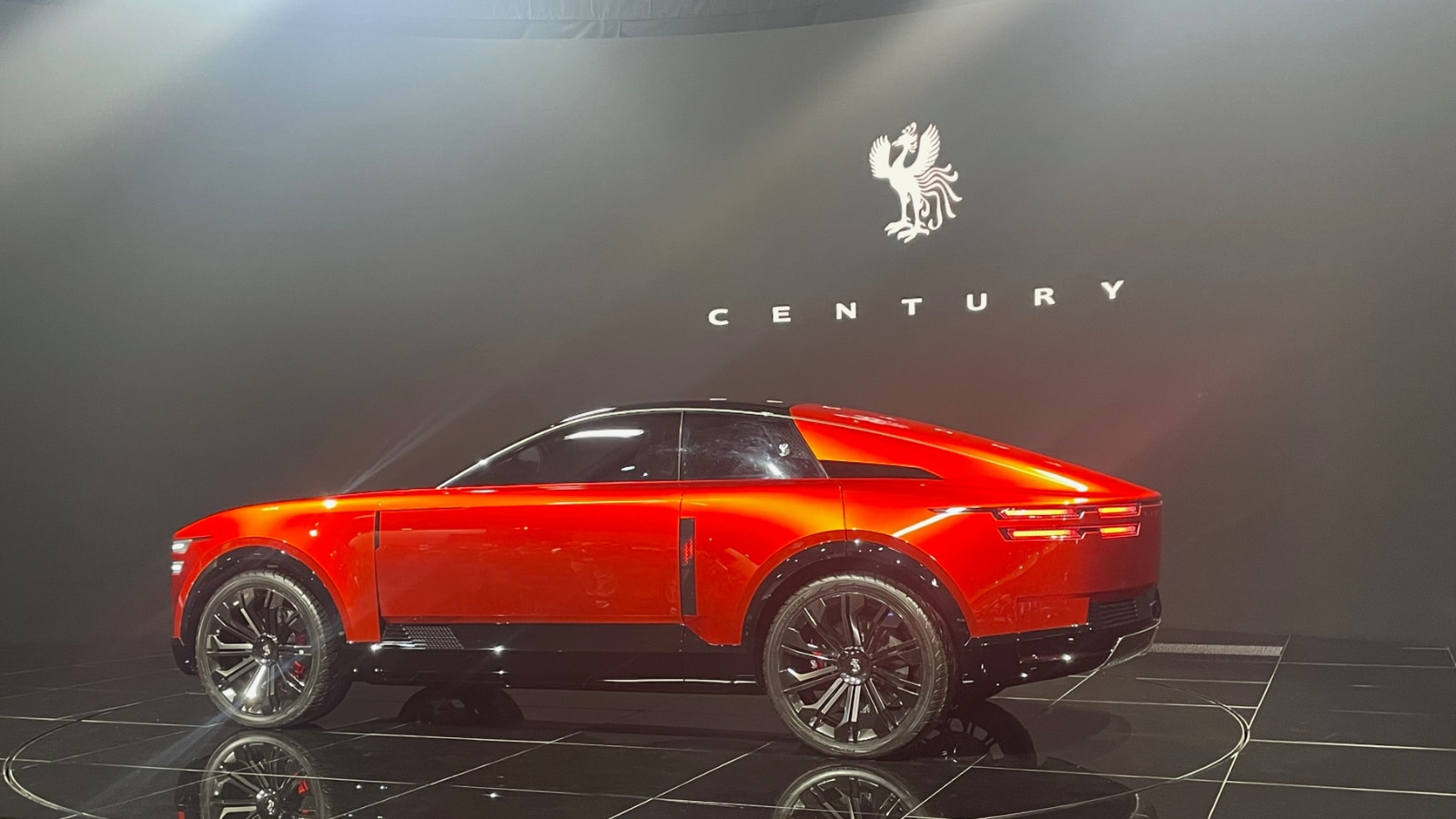
The Japan Mobility Show serves as a platform for collaboration among automakers and ancillary sectors, highlighting the urgency of adapting to new technologies. The Japan Automobile Manufacturers Association (JAMA) has acknowledged the challenges facing Japan's automotive industry and is calling for increased cooperation among major manufacturers to thrive in this competitive environment.
Furthermore, there are discussions about partnerships with tech companies, including potential collaborations with Chinese firms like Huawei and Tencent. This could open new avenues for Japanese automakers to improve their software capabilities, particularly in developing software-defined vehicles. The Indian market may play a crucial role in this technological evolution, showcasing the potential for international collaboration.
In conclusion, Japan's car industry is at a critical juncture as it seeks to innovate and adapt to the changing landscape of electric vehicles. By focusing on collaboration, advanced technologies, and new battery solutions, Japanese manufacturers aim to reclaim their position as global leaders in the automotive sector.