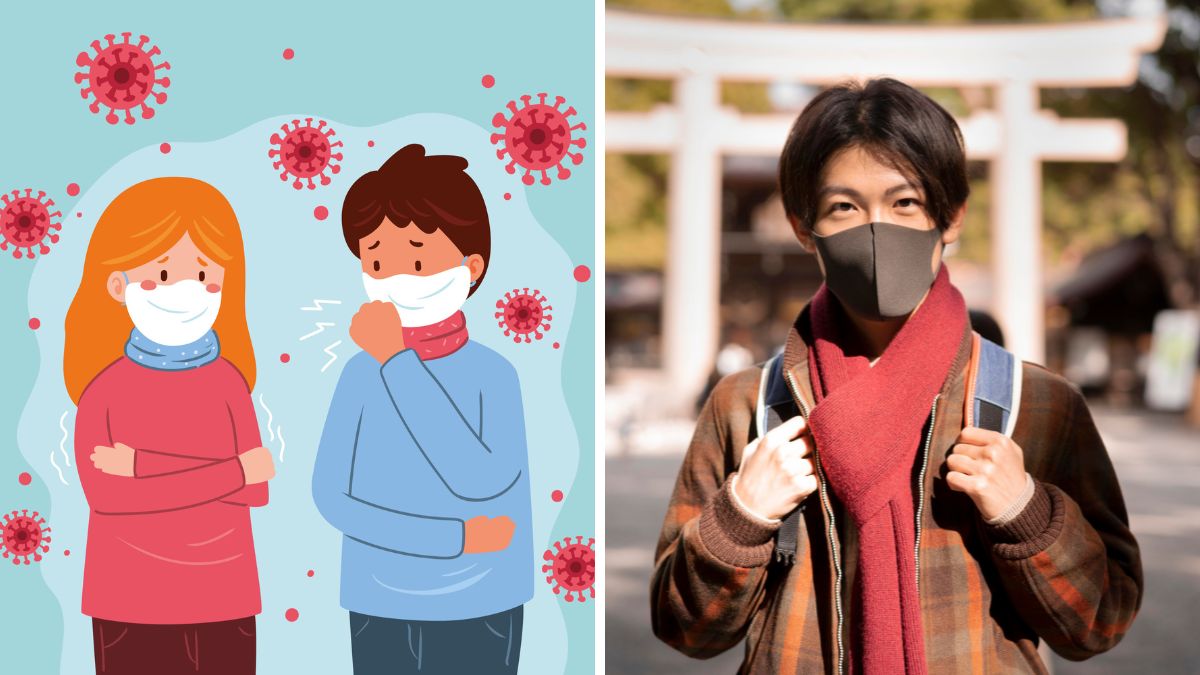
Japan's Flu Epidemic: Lessons for India
Japan is currently grappling with a nationwide influenza epidemic, as the country has reported a significant surge in flu cases. Over 4,000 individuals have been hospitalized due to the flu, prompting the government to take swift action. The outbreak has been identified as arriving five weeks earlier than usual, raising alarms for many nations, including India.
The Japanese health ministry is encouraging citizens to get vaccinated to mitigate the impact on the healthcare system. Although this outbreak is seasonal and not indicative of a new pandemic, its timing and scale are concerning as countries like India enter the cooler months when respiratory infections become more prevalent.
Experts believe that this year’s flu outbreak in Japan is exacerbated by various factors: a more virulent strain of the flu virus, fluctuating immunity levels due to reduced exposure during the COVID-19 pandemic, and erratic weather conditions that facilitate viral transmission. Additionally, many people have become less diligent about receiving their annual flu vaccinations, allowing the virus to spread more freely.
Currently, this epidemic is primarily linked to the familiar H3N2 strain of influenza. However, scientists warn that it serves as a wake-up call for the region. The speed at which flu viruses mutate highlights the need for ongoing monitoring and vaccination efforts.
In India, flu cases are on the rise, especially in the northern and eastern regions. Healthcare providers have reported increasing instances of H3N2, along with symptoms such as prolonged cough, fatigue, and high fever. Unlike Japan, where flu cases peak sharply in winter, India’s warmer climate results in a less predictable flu season, typically spanning from October to February.
This situation is critical because India has a lower vaccination rate for influenza compared to many other countries. The combination of increased travel and close indoor interactions during festival seasons necessitates intensified vaccination campaigns and public awareness initiatives. Vaccination remains the most effective defense against the flu, particularly for vulnerable populations like the elderly, children, pregnant women, and individuals with chronic health conditions.
As we navigate through this season, it’s vital to maintain good hygiene practices. Simple actions such as wearing masks, improving ventilation, and frequently washing hands can significantly reduce the risk of infection. Building a strong immune system through a balanced diet rich in fruits, vegetables, and vitamins is also crucial.
The flu outbreak in Japan serves as an early warning for countries throughout Asia. It underscores the importance of being prepared, as flu viruses increasingly adapt and change. In India, making flu vaccination a regular health practice rather than an optional one is essential. The message is clear: prioritize vaccination, rest, and responsible recovery to combat the flu effectively.