Malaysia's Bold Move: Social Media Ban for Under-16s
Malaysia has announced its plans to ban social media for users under the age of 16 starting from 2026. This decision aligns with a growing global trend where countries are prioritizing child safety on digital platforms. The Communications Minister, Fahmi Fadzil, highlighted the urgent need to protect young people from various online dangers, including cyberbullying, financial scams, and child sexual abuse.
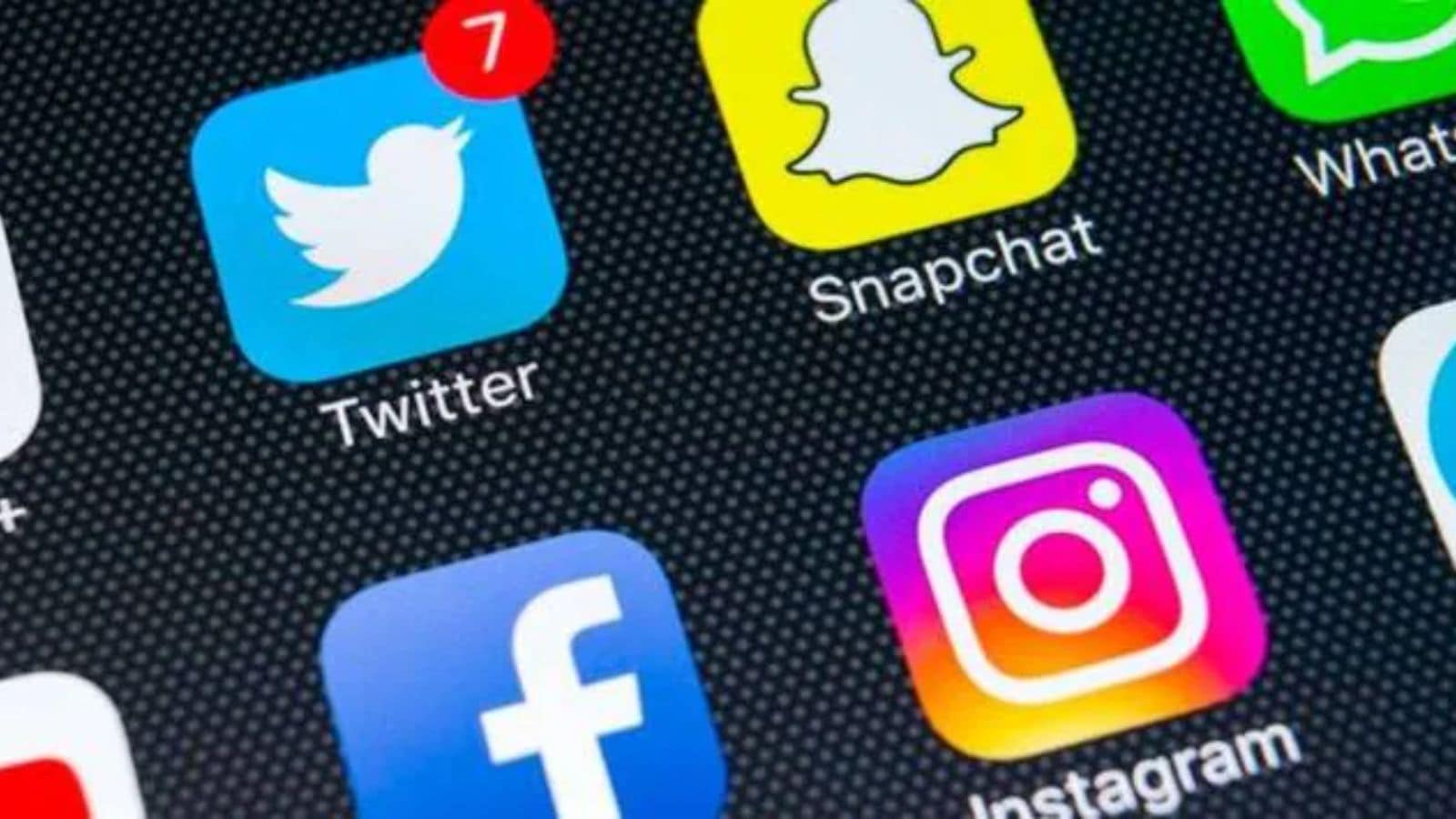
In recent years, the impact of social media on children's mental health has raised concerns worldwide. Major platforms like TikTok, Snapchat, Google, and Meta, which operates Facebook, Instagram, and Whatsapp, are facing legal scrutiny in the United States for their role in escalating mental health issues among youth. The situation in Malaysia reflects broader worries about the effects of social media on young minds.
Other countries are taking similar steps. For instance, Australia is set to deactivate accounts of users under 16 shortly. Countries like France, Spain, Italy, Denmark, and Greece are testing a template for age verification apps to limit access for younger users. These international efforts highlight a growing consensus on the need for stricter regulations to safeguard children online.
Neighboring Indonesia is also considering setting a minimum age for social media use. However, it has opted for less stringent measures, focusing on filtering negative content and enhancing age verification. Malaysia, on the other hand, is taking a firmer stance against harmful content, including online gambling and posts related to sensitive societal issues like race, religion, and royalty.
This new regulation will require social media platforms and messaging services with over 8 million users in Malaysia to obtain a license. This regulatory measure aims to ensure that these companies comply with the law, reinforcing the government's commitment to creating a safer digital environment for its youth.
As Malaysia moves forward with its ban on social media for those under 16, it signals a strong message to other countries about the importance of prioritizing child safety in the digital age. The government's proactive approach could set a precedent for similar regulations in the region and beyond, fostering a safer online experience for young users.