Men's Fertility Decline: New Insights Revealed
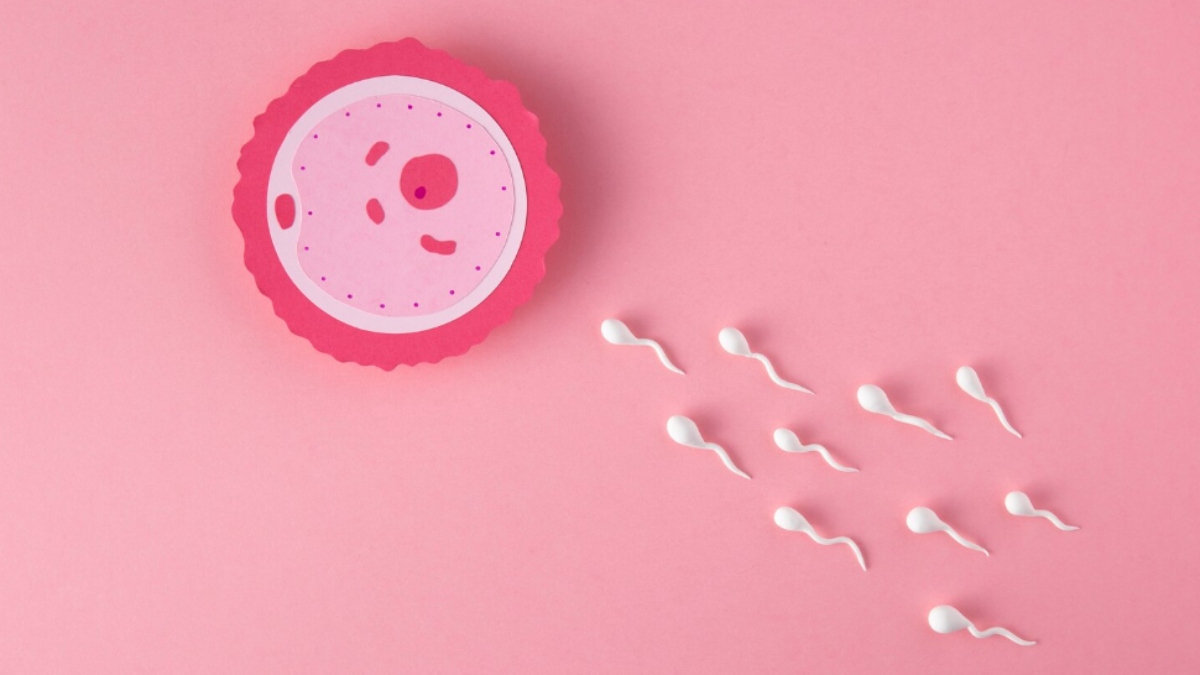
Recent studies have dramatically shifted our understanding of fertility, particularly in the context of men and women. Traditionally, much focus has been placed on women's fertility, but new findings highlight the alarming rate at which men's sperm quality declines as they age. This decline can lead to increased genetic errors in sperm, which may complicate future pregnancies.
As men grow older, their sperm becomes less active and more prone to errors. This is due to the continuous production of sperm throughout a man's life. Each new batch of sperm has the potential to accumulate small genetic mistakes over time, which can significantly impact reproductive outcomes.
In contrast, women's eggs appear to be protected from these age-related changes. Research indicates that women are born with a finite number of eggs, which do not undergo the same constant cell division as sperm. This unique biology allows for a more stable genetic quality in eggs, even though the total number of eggs decreases with age.
Dr. Dhanyatha G S, a consultant in infertility and reproductive medicine, explains that the hormones and resilient mitochondria in women's eggs help maintain their quality for many years. This does not mean that women face genetic weaknesses in their eggs as they age; rather, the decrease in the quantity of eggs is often the main issue impacting fertility.
Overall, studies confirm that men's reproductive capacity diminishes significantly due to age-related declines in sperm quality. Conversely, women's egg quality remains relatively stable for a longer duration. This understanding encourages a more balanced view of reproductive health for both genders.
Moreover, lifestyle choices play a crucial role in fertility for both men and women. Factors such as stress, inadequate sleep, smoking, alcohol consumption, and untreated medical issues can adversely affect reproductive health. Therefore, regular health check-ups, a balanced diet, and maintaining a healthy weight are essential for safeguarding reproductive health, regardless of age.
As awareness increases, it becomes evident that both men and women must take proactive steps to maintain their fertility. This holistic approach can lead to healthier families and improved reproductive outcomes in the long run.