Mumbai-Pune Expressway Gas Leak: Lessons Learned
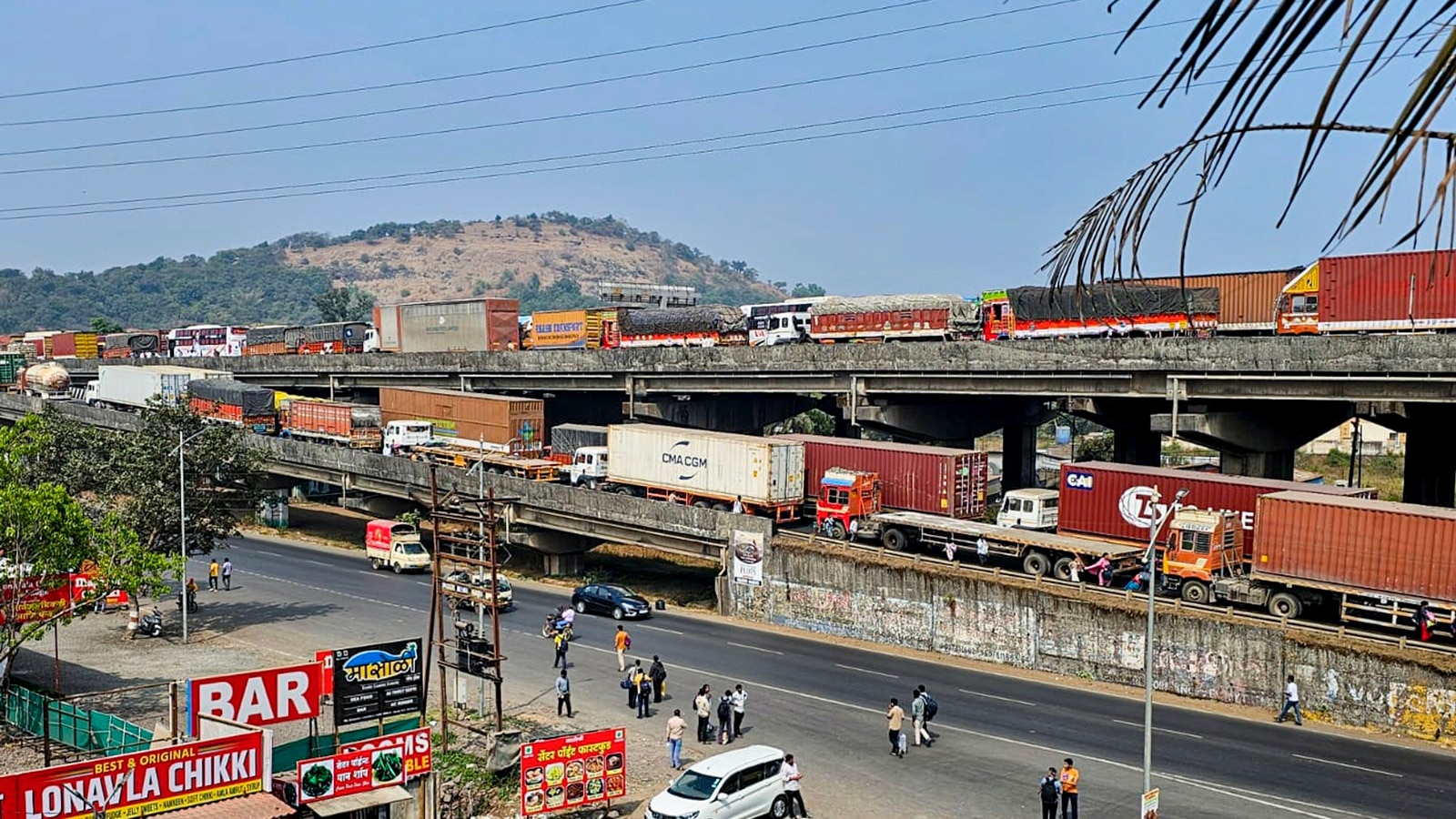
A recent incident on the Mumbai-Pune Expressway has raised serious concerns about the handling of gas leaks on Indian highways. A tanker carrying highly flammable propylene gas toppled and leaked for nearly 32 hours, leading to significant traffic disruptions. Fortunately, disaster was averted, but the incident exposed critical gaps in emergency response protocols.
Propylene is a petroleum product that is highly flammable. Even a small spark, like static electricity or a mobile phone, could ignite a vapour cloud of gas, posing a serious risk of explosion. Fortunately, propylene is not toxic to breathe, and emergency responders were equipped with appropriate personal protective equipment (PPE) to approach the site safely.
The first step in responding to such incidents is to isolate the area around the leak. Globally, it is recommended to maintain a minimum radius of 50 meters around the leak. Unfortunately, in this case, the lower explosive limit (LEL) was dangerously high even at a distance of 500 meters. The Maharashtra State Road Development Corporation (MSRDC) indicated that incident management falls under the contractor's responsibility, which in this case was IRB Mp Expressway Pvt Ltd.
The contractor has a robust Emergency Response Protocol (ERP) and a skilled team trained to handle such situations. They promptly halted traffic in both directions as a safety measure. After halting traffic, the next step involved assessing the severity of the leak and attempting to contain it, possibly using water sprays.
While IRB organized mechanical resources and emergency vehicles, the arrival of chemical experts was crucial before deploying any equipment. Coordination continued over the phone as the experts analyzed the situation. Eventually, it was determined that the damage to the tanker’s valves could not be stopped immediately.
Following global protocols, the next steps involved arresting the leak, which could involve fixing the leaks, emptying the tanker, or burning off the gas in a controlled manner. Experts reached out to various chemical manufacturers and specialized companies, ultimately gaining assistance from Mec Elec Industrial Services.
After significant efforts, two out of three leaks were fixed, but the third proved challenging. Decanting operations were initiated to reduce gas levels, and the tanker was eventually returned to an upright position for further repairs. Traffic on the Mumbai carriageway resumed after ensuring the gas had dispersed adequately.
This incident highlights the need for improved emergency response measures on Indian highways, ensuring that similar situations are handled more effectively in the future.