
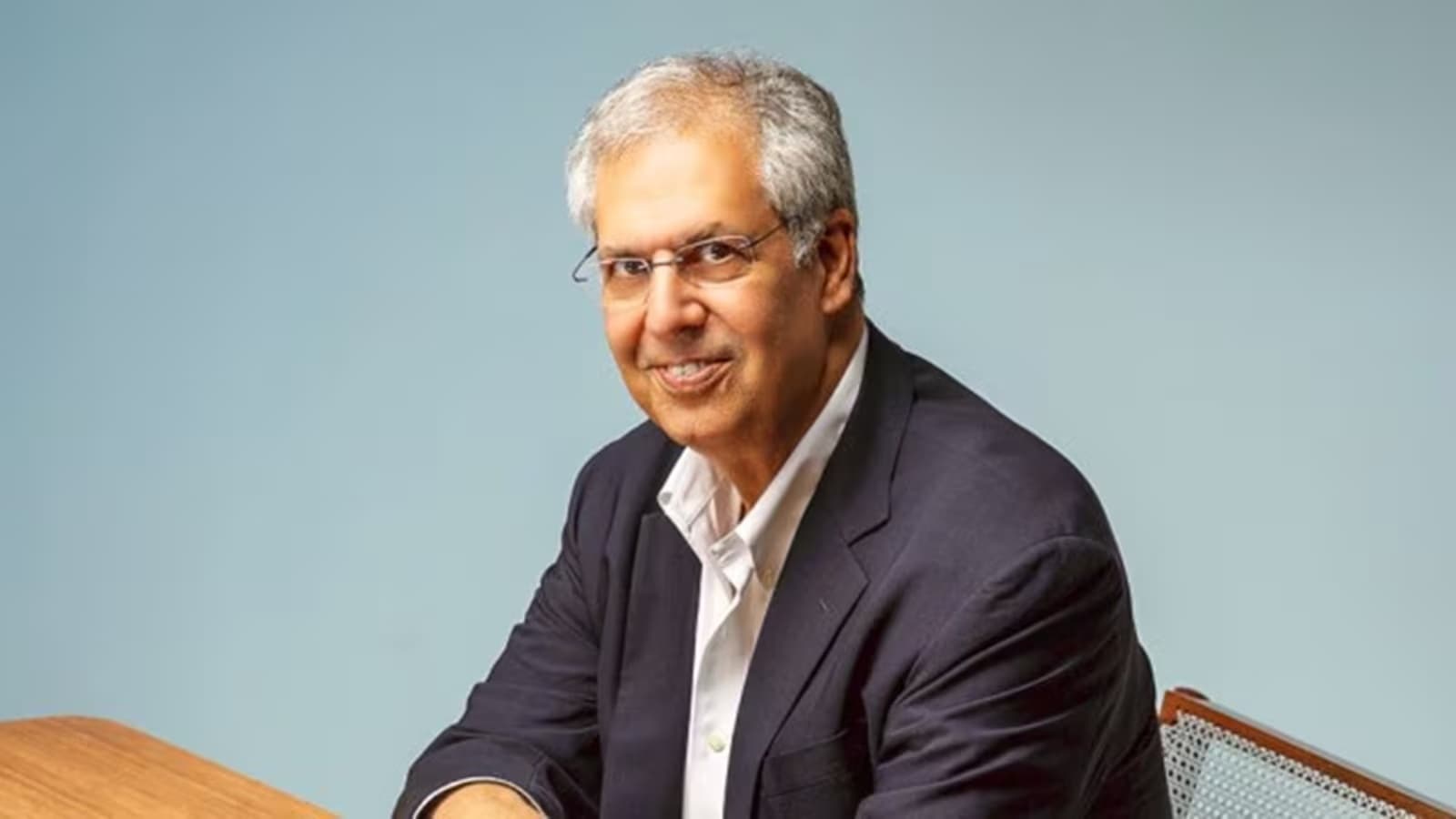
Neville Tata's Trust Induction Delayed
Neville Tata's expected induction into the Sir Ratan Tata Trust (SRTT) has hit a snag as the board meeting scheduled for Saturday was postponed. This meeting was crucial for the anticipated appointment of Neville, son of Tata Trusts Chairman Noel Tata. A Tata Group official confirmed that the meeting was delayed because not all trustees were available to attend, but assured that it would be rescheduled soon.
Earlier this week, a senior Tata official had indicated that Neville Tata's induction was likely to happen later in the week, contingent upon the unanimous approval from all trustees. The SRTT board was set to follow an earlier decision made in November 2025 by the Sir Dorabji Tata Trust (SDTT), which had approved both Neville Tata and Bhaskar Bhat as trustees for a three-year term starting November 12.
However, the induction of Neville Tata faced hurdles due to procedural concerns raised by trustee Venu Srinivasan, who is also the Chairman Emeritus of TVS Motor Company. These complications have led to uncertainty regarding Neville's role in the trust and the timing of his appointment.
The Tata Trusts, which control a significant 66 percent stake in Tata Sons, are instrumental in guiding the Tata Group's operations and decisions. The recent changes in the trusts follow the exit of Mehli Mistry, a long-time associate of Ratan Tata, who departed after a public disagreement with Noel Tata and other trustees.
As Neville Tata prepares for his potential role, he brings with him a growing profile in the business world. An alumnus of Bayes Business School and INSEAD Singapore, he joined Trent Ltd in 2016, a company with deep family ties, founded by his grandmother Simone Tata. Neville has been instrumental in managing the operations of Zudio, a fast-growing retail chain in India, known for its trendy fashion offerings.
Observers believe that his induction into the SRTT board will significantly enhance his standing within the Tata Group, opening new avenues for his career and reinforcing the trust's leadership structure. As developments unfold, stakeholders remain keenly interested in how this situation will evolve.







