
Overturning Presidential Limits: A Supreme Court Showdown
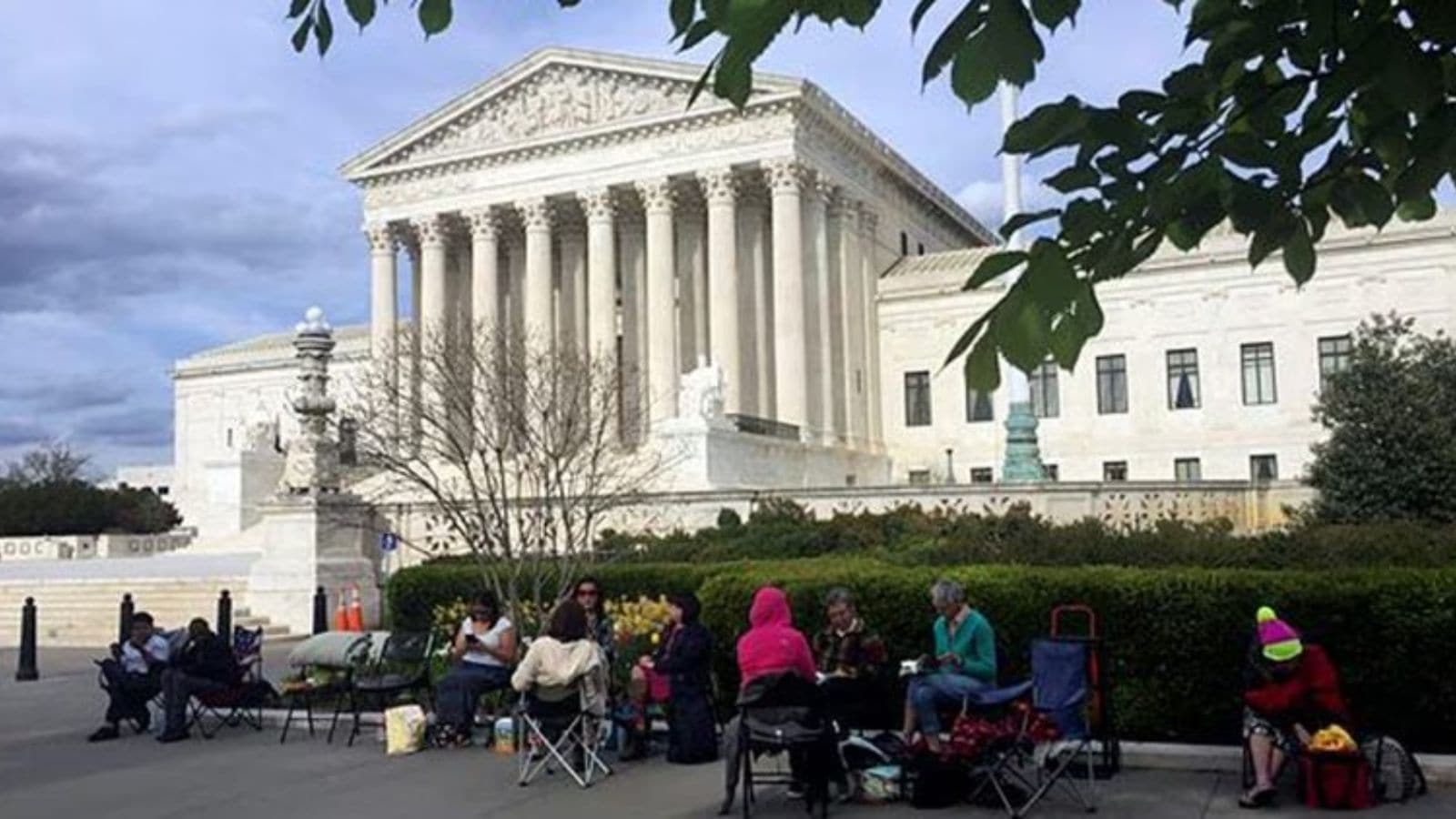
The U.S. Supreme Court is currently considering a significant case that may reshape the boundaries of presidential power. Central to this debate is a 1935 precedent from the case Humphrey’s Executor v. United States, which restricts the president's authority to dismiss members of independent agencies. This case has emerged from the Trump administration's attempt to fire Federal Trade Commission (FTC) member Rebecca Slaughter before her term was set to expire.
The Justice Department argues that the existing precedent limits presidential authority and should be overturned. U.S. Solicitor General D. John Sauer, representing the administration, described Humphrey’s Executor as an outdated ruling that has not held up over time. He argued that retaining this precedent encourages Congress to create an unaccountable "fourth branch" of government, insulated from democratic oversight.
However, liberal justices on the court expressed considerable concern. Justice Sonia Sotomayor emphasized the importance of independent agencies in U.S. history and questioned the need for such a drastic change to the government's structure. Justice Elena Kagan warned that granting the president unchecked power could lead to a situation where he controls significant aspects of law-making, undermining the principles of democracy.
This case is particularly pertinent in the Indian context, where the concept of independent regulatory agencies also exists. India has various bodies, such as the Reserve Bank of India and the Competition Commission, designed to operate free from direct political influence. The balance between executive power and the independence of these agencies is crucial for democratic governance.
In the U.S., the 1914 law allows the president to remove FTC commissioners only for specific reasons, such as inefficiency or misconduct, not for mere policy differences. This protection aims to ensure that independent agencies can function without political pressure. The Supreme Court's decision could potentially extend far beyond the Trump administration, affecting various independent agencies and their operation.
As the court deliberates, concerns about the implications of overturning Humphrey’s Executor are paramount. A ruling in favor of the Trump administration could significantly enhance presidential authority at a time when Trump is already testing the limits of executive power in areas like immigration and tariffs. The Supreme Court is expected to announce its decision by the end of June, and its ruling will likely have lasting effects on the balance of power within the U.S. government.







