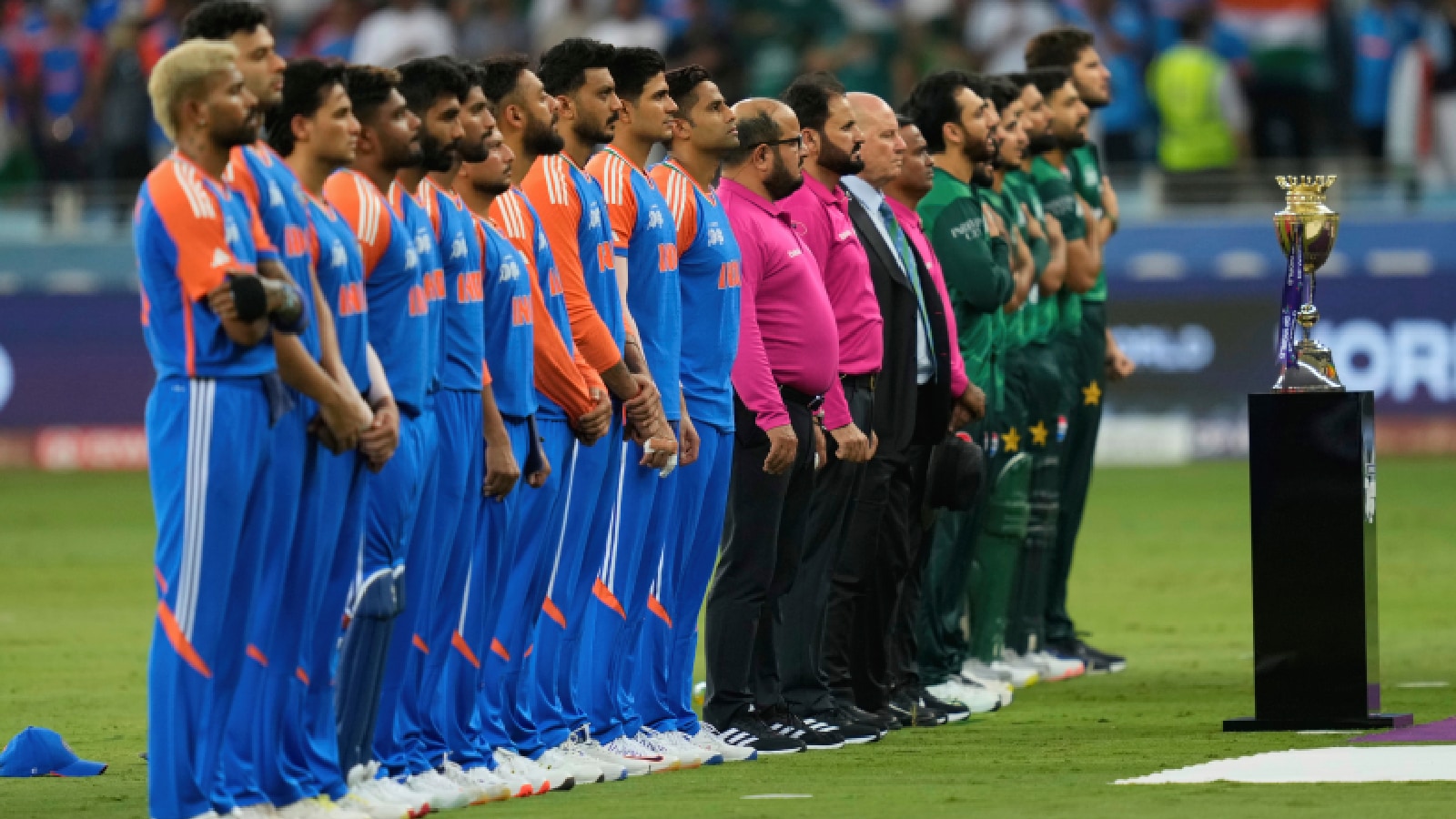
Pakistan's Boycott: A Major Blow to India's Cricket
The recent announcement by Pakistan to boycott their T20 World Cup match against India has created quite a stir in the cricketing world. This decision comes in the wake of the International Cricket Council (ICC) facing a dilemma following Bangladesh's ouster from the tournament. With India co-hosting the event, the implications of this boycott could be severe, particularly from a financial standpoint.
Former England cricketer Mark Butcher articulated the potential disaster this boycott could spell for India. He emphasized that the match between India and Pakistan is not just a sporting event; it is a lucrative fixture that generates significant revenue for the ICC and the host nation. The prospect of losing this match raises alarms for stakeholders involved in the tournament.
Butcher elaborated on the dynamics between India and Pakistan, referring to Pakistan as the "younger brother" in the context of cricket. He pointed out that India holds a dominant position in the sport, being the wealthiest and most powerful cricketing nation. This has led to a pattern where Pakistan often finds itself having to adapt to India's decisions, especially when it comes to hosting major events.
Furthermore, the decision to boycott was framed within a broader context of solidarity among Muslim nations. Pakistan's stance stems from a perceived lack of courtesy shown by the ICC towards Bangladesh. Butcher noted that this decision reflects deeper sentiments and historical ties, as both nations share a complex relationship that transcends mere sporting rivalry.
Moreover, Butcher highlighted the ICC's strategy of grouping India and Pakistan together in tournaments. This practice is not coincidental; it is rooted in the understanding that their matches draw the largest audiences and generate the most income. He questioned why other teams must qualify while these two rivals are always placed in the same group, suggesting that economic factors heavily influence this decision.
In conclusion, the potential fallout from Pakistan's boycott of the T20 World Cup match against India poses a significant challenge for the ICC and could lead to financial repercussions for India as a co-host. As cricket fans await further developments, the situation underscores the intricate relationship between sports and politics in the region.