PrEP: The New HIV Prevention Trend in India
World AIDS Day is an important reminder of the ongoing battle against HIV/AIDS, and this year, the focus is shifting towards a promising preventive measure known as PrEP, or pre-exposure prophylaxis. In India, the conversations surrounding HIV prevention are becoming more open and urgent, with an increasing number of people seeking knowledge about PrEP as a viable option.
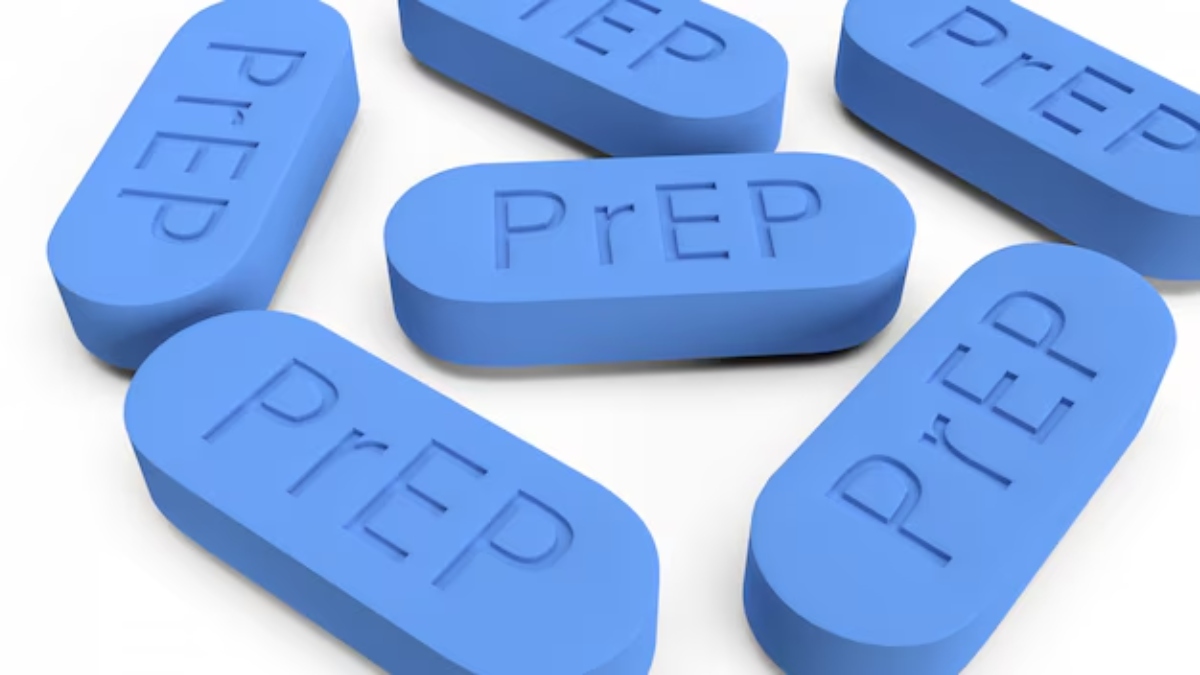
PrEP is designed for individuals who are at higher risk of HIV exposure. It can be taken as a daily oral pill or through long-acting injections administered every few months. Both methods offer robust protection when used correctly. This accessibility has made PrEP an essential addition to traditional prevention methods like condom use and regular testing.
According to experts like Dr. Sabine Kapasi, who emphasizes the importance of PrEP in modern healthcare, the growing interest in this medication reflects a significant cultural shift in India. More people are now aware of sexual health issues and are eager for solutions that do not solely depend on their partners' behavior. This proactive approach is crucial in combating the stigma often associated with HIV.
Healthcare providers across the country are becoming more comfortable discussing and prescribing PrEP, thanks to national guidelines and pilot programs that have brought it into everyday clinical conversations. The introduction of long-acting injectables is especially noteworthy since it alleviates the daily adherence challenges faced by some individuals.
Digital platforms, community initiatives, and public health campaigns have also played a pivotal role in promoting PrEP and reducing stigma. As more people learn about the safety, discretion, and effectiveness of PrEP, it is increasingly becoming a topic of discussion in medical consultations. This shift not only encourages informed health choices but also fosters an environment of support and understanding around HIV prevention.
As we approach World AIDS Day 2025, it is crucial to continue these conversations and promote the benefits of PrEP. By doing so, we can create a healthier future for all, where HIV prevention is accessible and stigma-free.