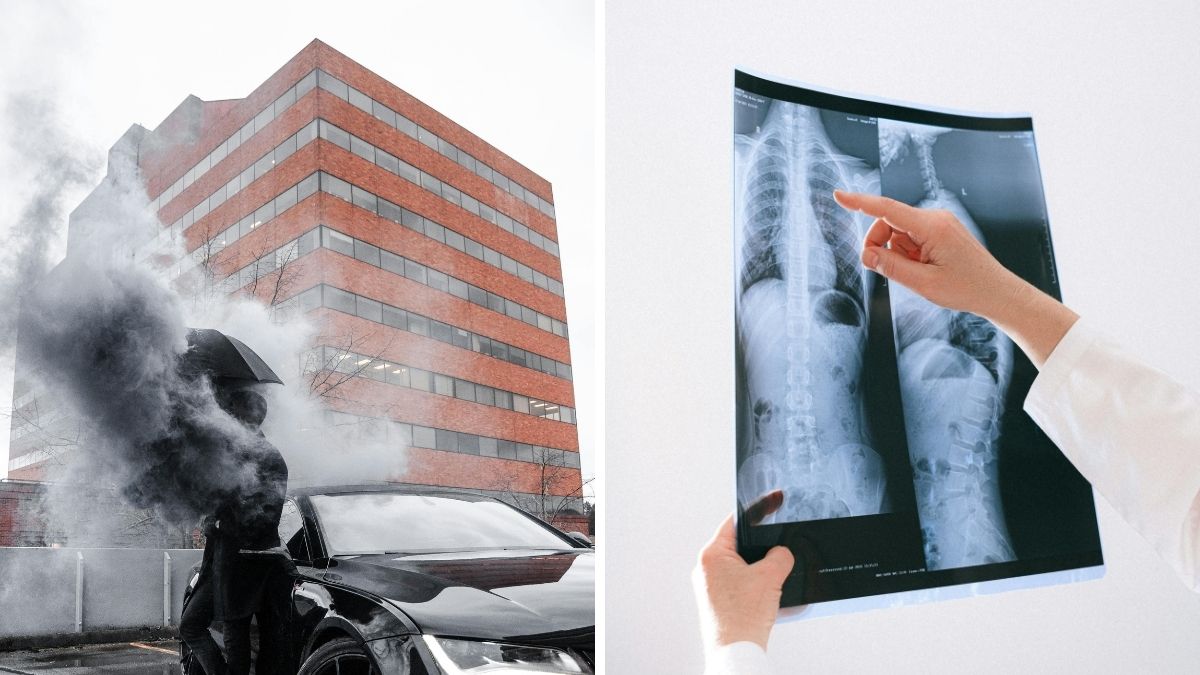
Protect Your Lungs: Hidden Dangers at Home
Lung health is often overshadowed by the dangers of smoking, but everyday life can also harm your lungs. In India, the challenges are particularly acute due to high levels of air pollution, especially in urban areas. Research reveals that non-smokers are increasingly at risk of developing lung diseases traditionally associated with smoking. The air we breathe, the dust in our homes, and the fumes from cooking can significantly impact lung function.
For instance, a study showed that long-term exposure to air pollution can damage lungs as much as smoking one pack of cigarettes a day. This is especially concerning for residents in cities like Delhi and Mumbai, where air quality often reaches hazardous levels. It’s essential to be aware that fine-particle pollution can trigger chronic inflammation, leading to premature aging of the lungs.
The kitchen is another hidden source of lung damage. Cooking oil fumes, particularly from deep-frying, release harmful substances that can affect airways and increase lung cancer risk. In poorly ventilated urban kitchens, the risks are even higher. Thus, using exhaust fans, minimizing frying, and ensuring proper ventilation can dramatically improve air quality.
Moreover, the use of incense and candles at home can elevate indoor pollution levels, correlating with reduced lung function. Many Indian households enjoy the fragrance of incense, but it’s important to consider the health implications. Opting for natural ventilation and limiting the burning of such items can help maintain lung health.
Additionally, second-hand smoke remains a significant threat. Even brief exposure to others’ smoke can increase lung cancer risk. Maintaining smoke-free environments in homes and workplaces is crucial for protecting lung health.
Commuters in India face their own challenges. Studies indicate that pollutants from vehicles, especially during peak traffic hours, can lead to DNA damage in lung tissues. Thus, keeping windows closed and utilizing air recirculation in cars can help mitigate these risks.
Lastly, household cleaning products can also pose risks. Women who frequently use cleaning sprays have been found to have an increased risk of chronic obstructive pulmonary disease (COPD). Switching to natural cleaning alternatives and ensuring proper ventilation during cleaning can reduce exposure to harmful chemicals.
In conclusion, while smoking is a well-known enemy of lung health, many other factors in our daily lives can contribute to lung damage. Awareness and preventive measures can significantly enhance lung health, making each breath we take more precious. Protecting our lungs is crucial in today’s environment.