Punjab Police Crackdown on Farmers Ahead of Rail Roko
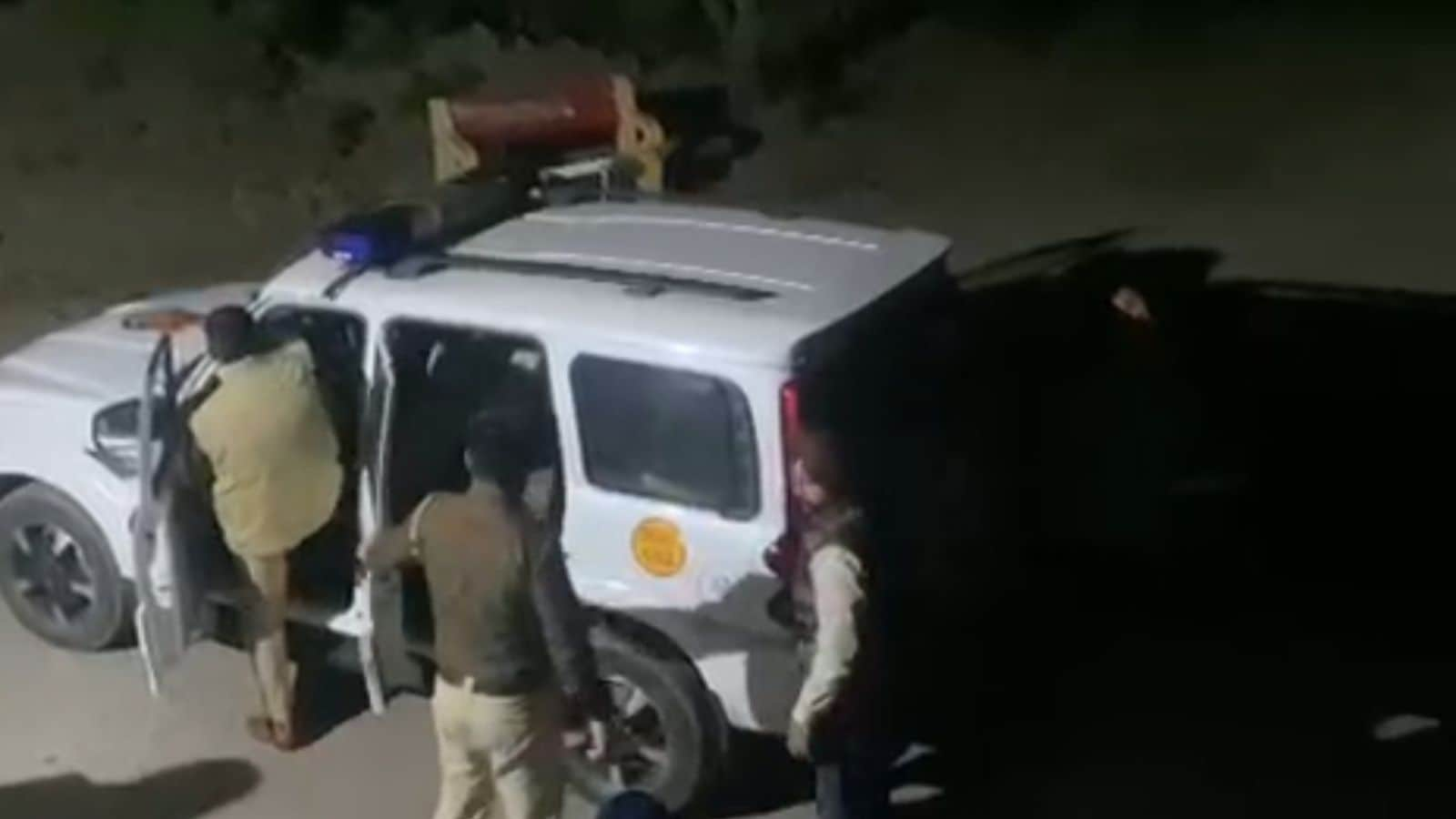
In a concerning turn of events, the Kisan Mazdoor Morcha (KMM) has announced a two-hour rail blockade to protest the draft Electricity Amendment Bill, scheduled for December 2. However, ahead of this protest, the Punjab Police have initiated a series of raids on the homes of farmer leaders, leading to widespread outrage among the agricultural community.
Key figures, including Jaswinder Singh Longowal, the state president of BKU Ekta Azad, have been detained by the police. Reports indicate that raids have taken place at over 100 locations across Punjab, targeting prominent leaders such as Makhan Singh Gill in Mohali and Kulwant Singh Behramke in Moga. This aggressive approach by the police has raised alarms about the government's stance towards peaceful protests.
KMM spokesperson Tejveer Singh highlighted the scale of the raids, stating that many leaders have been placed under house arrest. The organization plans to carry out the rail blockade in 19 out of 23 districts, including major cities like Amritsar, Ludhiana, and Jalandhar. Despite the planned blockade affecting only a fraction of train services, the state government has opted for a heavy-handed response.
According to KMM coordinator Sarwan Singh Pandher, the police action began on Thursday night. He condemned the government's tactics, asserting that such repression is unwarranted. “We are merely protesting against a draft bill that threatens to privatize the electricity board,” he stated. This sentiment echoes a broader frustration among farmers who feel their voices are being silenced.
Avtar Singh Dharam Singh Wala, the KMM’s press secretary, expressed his bewilderment at the police’s actions. He questioned whether he was being treated as a criminal for advocating for farmers' rights. Many in Punjab are echoing these sentiments, feeling that the government is prioritizing political gains over addressing the genuine concerns of the farming community.
The KMM has called upon the public to unite against what they perceive as government repression. They urge citizens to participate in the upcoming rail blockade to make their voices heard. The leaders emphasize the importance of standing together against oppressive measures and maintaining a peaceful approach to protesting government policies.
As the situation evolves, the eyes of Punjab remain fixed on the actions of both the KMM and the state government. The outcome of this protest may well signal the ongoing tensions between the state and its farmers, as they navigate the complexities of agricultural policies and governmental authority.