
RBI to Boost Banking Liquidity with Rs 1.5 Lakh Crore
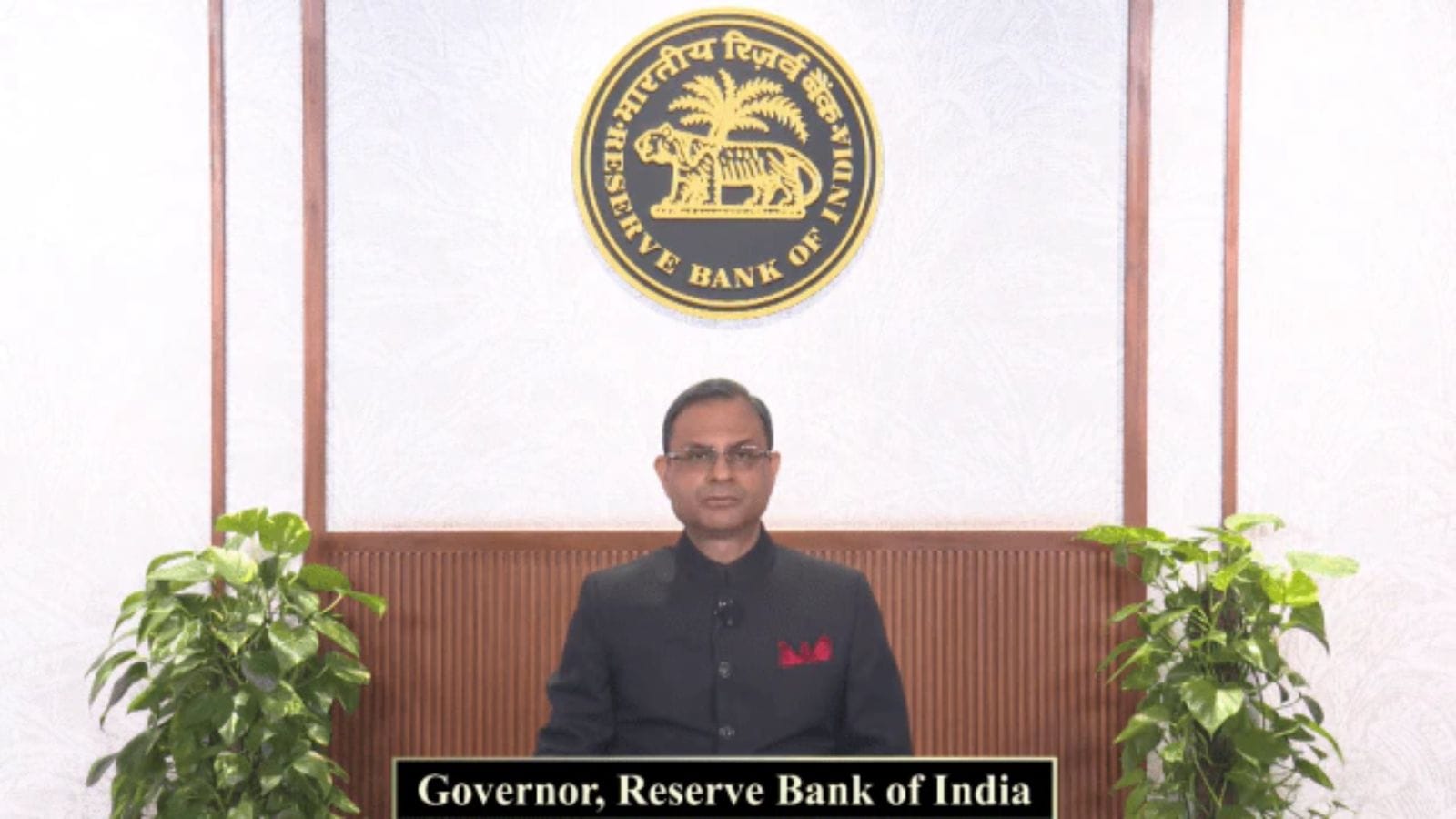
The Reserve Bank of India (RBI) is making significant moves to bolster the Indian banking system by injecting approximately Rs 1.5 lakh crore this December. This decision comes alongside a reduction in the repo rate by 25 basis points, now at 5.25 percent, marking the lowest level in over three years. RBI Governor Sanjay Malhotra announced these measures on Friday, emphasizing their importance in enhancing liquidity and supporting lower lending rates.
To execute this plan, the RBI will buy Central government bonds worth Rs 1 lakh crore from the market. This action is aimed at increasing the available liquidity within the banking system. Additionally, the RBI is set to conduct a ‘USD/INR Buy Sell swap’ worth $5 billion on December 16, which translates to around Rs 45,000 crore at the current exchange rate.
Malhotra explained that these initiatives are designed to ensure adequate durable liquidity in the system, which is essential for effective monetary transmission. This transmission allows reductions in the repo rate to be passed on to borrowers through lower bank lending rates, thereby stimulating economic activity.
Despite already having considerable liquidity in the banking system, recent interventions by the RBI in the foreign exchange market have drained some of this liquidity. As a result, the average interest rate on new loans from banks has increased to 8.64 percent in October, which is a concern for borrowers.
The RBI's bond purchasing strategy will see it acquire these securities in exchange for up to Rs 1 lakh crore. The USD/INR swap will allow the RBI to buy dollars from banks and provide rupees in return. This is a two-part transaction, where the RBI will resell the dollars back to the banks at a predetermined rate after three years.
Interestingly, the rupee has struggled recently, becoming the worst-performing Asian currency and crossing the 90-per-dollar mark for the first time. This decline has been exacerbated by delays in a free trade agreement with the US, impacting market sentiment and leading to substantial foreign investment withdrawals.
Experts believe the planned bond purchases will enhance the RBI's ability to stabilize the currency without tightening domestic liquidity conditions. The RBI's actions are crucial, especially given the significant liquidity drain from foreign exchange interventions over recent months.
In conclusion, these measures by the RBI are vital for maintaining economic stability in India. As the global economic landscape shifts, the RBI's proactive stance could help navigate the challenges ahead and ensure that the banking system remains robust.







