
RBI's New Digital Banking Rules: What You Need to Know
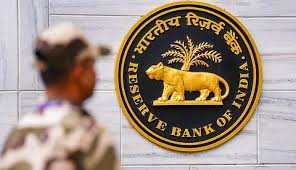
The Reserve Bank of India (RBI) is set to implement new digital banking rules starting January 1, 2026. These guidelines aim to enhance customer protection and improve transparency in banking services, responding to rising complaints about banks pushing customers to use mobile applications for essential services.
Under the new rules, banks will face stricter approval processes and must comply with enhanced customer protection standards. This shift aligns with RBI's focus on improving customer experience while preventing banks from bundling services that limit customer choice.
Pratik Shah from EY India describes the RBI's directive as a progressive step that places customer protection at the forefront of digital banking governance. The guidelines mandate explicit, documented customer consent for registering or deregistering digital banking services, ensuring customers are fully aware of their rights and liabilities.
Digital banking channels encompass various services, including internet banking and mobile banking. They allow customers to conduct financial transactions efficiently but require that banks meet strict conditions before offering these services. For instance, banks must have a core banking solution and comply with cybersecurity standards to launch transactional digital banking.
In addition to improving customer consent processes, the RBI's regulations will ensure that customers receive alerts for all account operations. This includes both financial and non-financial transactions, enhancing transparency and reducing the need for branch visits.
Industry experts, like Vivek Mandhata from BCG, assert that the new rules will change how banks handle mobile banking and card services but do not pose significant challenges. The focus remains on ensuring customers can access services without being forced into digital channels, promoting a balanced approach to banking.
Moreover, banks must present terms and conditions in clear, simple language across multiple languages, including Hindi and local dialects. This effort aims to improve understanding and compliance among diverse customer segments, particularly in rural areas.
Overall, the RBI's new digital banking rules represent a significant step towards enhancing consumer protection and fostering trust in digital financial services. By prioritizing customer consent and transparency, these guidelines are expected to improve the overall banking experience for millions of users across India.







