
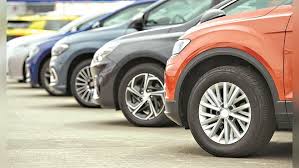
Record Car Sales Surge with GST 2.0
The introduction of GST 2.0 on September 22 has transformed the landscape of the Indian automotive sector. Maruti Suzuki reported incredible numbers, with 80,000 enquiries and 25,000 car deliveries on the first day alone. This response is unprecedented in over three decades and reflects the pent-up demand from consumers who had been waiting for tax rate reductions before making purchases.
Under GST 2.0, small cars with engine capacities below 1200 cc (petrol) and 1500 cc (diesel) are now taxed at 18%, a significant drop from the previous 28% plus cess. This has made these vehicles more affordable, leading to a surge in customer interest. Tata Motors also reported strong figures with over 25,000 enquiries and 10,000 deliveries.
However, the automotive industry is facing challenges. Dealerships had anticipated a surge in sales leading up to the GST changes but faced a lull instead. Many consumers held off their purchases due to the Shraadh period and were waiting for the new tax regime to take effect. As a result, dealerships are now dealing with excess inventory from the previous rates, which they are struggling to sell.
Despite these challenges, the overall response to GST 2.0 has been positive. Maruti’s marketing head noted that the demand for small cars has increased by nearly 50%. With many consumers transitioning from two-wheelers to affordable cars, this could rejuvenate a segment that has been stagnant due to economic pressures.
However, the transition has not come without its costs. Dealers are facing potential losses of up to Rs 2,500 crore due to the mismatch in inventory and consumer expectations. The Federation of Automobile Dealers Association has reached out to the Finance Ministry, expressing concern over the financial strain on dealerships and the risk of lapsing credits that could impact their working capital.
As the festive season approaches, the hope is that the initial excitement from GST 2.0 will translate into sustained sales growth. The automotive sector is crucial for the Indian economy, and a revival in car sales could signal a broader recovery in consumer spending. The initial numbers are promising, but the industry will need to navigate these challenges carefully to maintain momentum.







