
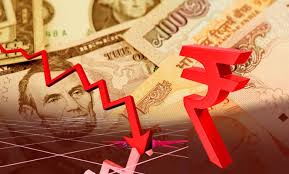
Rupee Hits Record Low: What’s Behind the Fall?
The Indian rupee has recently made headlines by hitting a record low of over ₹90 against the US dollar. This decline comes amid stalled trade negotiations between India and the United States. On December 3, the rupee plummeted to 90.13, breaking its previous low of 89.9475 that was recorded just a day earlier. This situation is alarming for many, as the rupee’s value continues to deteriorate.
Analysts attribute the rupee's fall to a significant imbalance in demand and supply. Foreign fund outflows and uncertainty regarding the trade deal with the US have compounded the issue. According to Dilip Parmar from HDFC Securities, this imbalance is the primary reason for the rupee's weakness. Additionally, the Reserve Bank of India (RBI) has not intervened adequately to stabilize the currency, which has raised further concerns.
Historically, the RBI has occasionally defended the rupee through aggressive dollar sales to maintain key levels. However, analysts note that the central bank has allowed for greater flexibility in currency exchange rates this year. Raj Gaikar from SAMCO Securities pointed out that with inflation running lower than expected, the focus has shifted towards fostering growth instead of depleting reserves to maintain an artificial exchange rate.
Joey Chew from HSBC highlighted that the ongoing delay in reaching a trade agreement is a crucial factor behind the rupee's drop. She mentioned that every day without a trade deal increases foreign exchange demand due to the trade deficit, while the supply remains thin and inconsistent. This situation has also led to foreign investors losing patience, as recent net inflows have stagnated since October.
Despite the alarming fall, India's Chief Economic Adviser, V. Anantha Nageswaran, downplayed the severity of the situation. Speaking at a press conference, he reassured that the depreciation of the rupee is not expected to have a significant impact on inflation or exports. He expressed optimism that the US may consider removing additional tariffs imposed on India in the near future, suggesting a potential resolution to trade tensions.
In conclusion, while the rupee's decline raises concerns, it is essential to consider the broader economic context. The interplay of trade negotiations, foreign investments, and central bank policies will play a crucial role in determining the rupee's trajectory in the coming months.







