SEBI Enhances Tech to Protect Investors
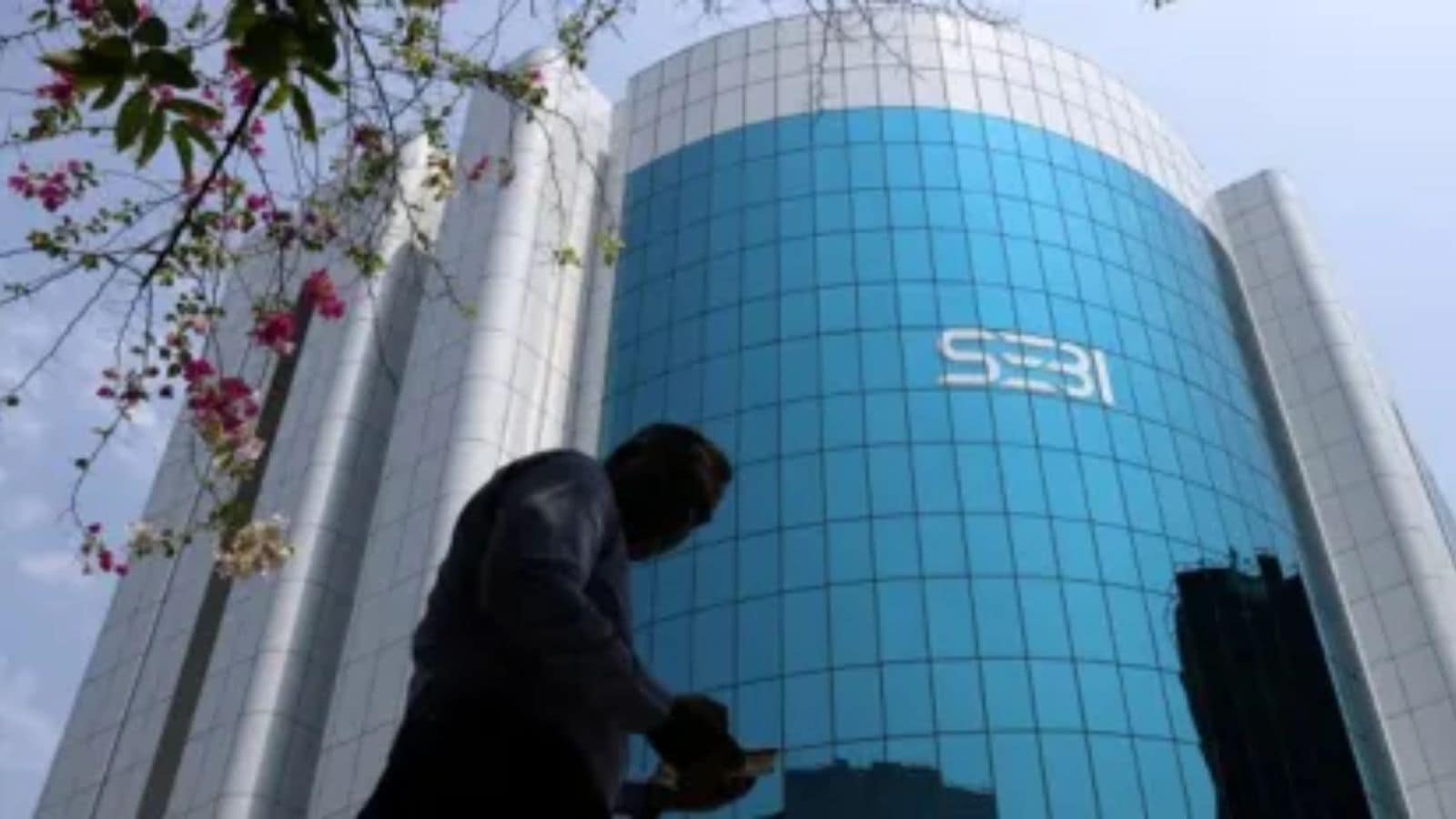
As the Indian stock market continues to expand and evolve, the Securities and Exchange Board of India (SEBI) is taking significant steps to enhance its technological framework. This initiative aims to enable more effective supervision and ensure better protection for investors. SEBI Chairman Tuhin Kanta Pandey highlighted this focus during a recent event commemorating the 40th anniversary of the BSE Sensex.
Pandey pointed out that with the widening investor participation and the increasing diversity among investors, it is essential for SEBI to strengthen both its technological and regulatory architecture. The goal is to uphold the integrity of the markets, which are becoming more technology-driven.
Among SEBI's key priorities are improving corporate governance standards and promoting sustainable finance and long-term value creation. The regulator is also keen on encouraging innovation while placing investor protection at the forefront. This proactive approach is crucial as the landscape of the market changes, especially with the rising influence of artificial intelligence (AI).
SEBI has implemented various AI-driven tools to help manage market risks. For instance, the Sudarshan model identifies fraudsters who impersonate investment advisors on social media to mislead investors. Another tool, R(AI)DAR, reviews advertisements from asset management companies to flag potential mis-selling and regulatory violations effectively.
Additionally, SEBI has introduced a sentiment analysis system to assess corporate announcements, aiding in identifying material disclosures and enabling timely alerts for surveillance. Currently, SEBI is developing an AI-driven inspection tool for conducting cyber health checks to analyze audit reports and identify gaps.
To further secure the market, SEBI has enhanced its technology architecture. Measures such as instant verification of UPI IDs and bank accounts have been introduced to prevent cyber fraud, showcasing SEBI’s commitment to maintaining a secure investment environment.
These initiatives follow SEBI's recent circular aimed at making market infrastructure institutions (MIIs) more accountable. The regulator has mandated independent evaluations of MIIs and their statutory committees every three years, alongside internal assessments, ensuring that these entities operate transparently and securely.
As the BSE Sensex continues to grow, with a compounded annual growth rate of 13% since 1986, these advancements by SEBI will play a crucial role in fostering trust and stability in India’s financial markets.