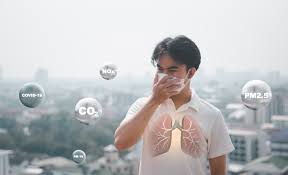
Severe Air Quality and Lung Health: What You Need to Know
When the Air Quality Index (AQI) crosses 400, it indicates a severe pollution crisis, particularly in densely populated cities like Delhi and Mumbai. Residents often experience burning eyes, chest heaviness, and fatigue even after short outdoor walks. This level of pollution is not just uncomfortable; it poses serious health risks, especially to the lungs.
According to pulmonologists, exposure to such high pollution levels can rapidly weaken lung function and disrupt the body’s natural defenses. The microscopic particulate matter, known as PM2.5 and PM10, can bypass the body's initial defenses, entering the lungs directly. Dr. Nana Kunjir, a Consultant Pulmonologist, explains that these small particles can eventually reach the bloodstream, initiating an inflammatory response that worsens lung function over time.
As pollution levels rise, the tiny hair-like structures in the lungs, known as cilia, which normally help sweep out mucus and bacteria, can become damaged. This reduction in cilia function leads to decreased resistance to infections, making it feel like everyone is falling ill during smog season. A 2023 review in Lancet Respiratory Medicine revealed that long-term exposure to PM2.5 can increase the incidence of lower respiratory infections by up to 44%.
Moreover, prolonged exposure to PM10 can lead to chronic conditions such as bronchitis. For individuals with pre-existing conditions like asthma or COPD, the effects can be even more pronounced, leading to rapid deterioration of lung health. Pneumonia, which was once considered a winter illness, has now become a common outcome linked to air pollution.
Dr. Kunjir also highlights that continued inhalation of polluted air leads to irritation of the respiratory tract, increasing the likelihood of infections. The lungs can fill with fluid, making breathing difficult and complicating recovery due to weakened immunity.
The impact of high pollution levels extends beyond the lungs, affecting the entire body. Research shows that prolonged exposure to polluted air can weaken the immune system, leaving individuals more vulnerable to infections. This combination of pollution, seasonal viruses, and reduced immunity creates a perfect storm during winter months.
Certain groups, including the elderly and those with pre-existing health issues, experience more severe effects. Clinics often see a spike in hospitalizations during these periods. While N95 masks and air purifiers can offer some protection, they are not foolproof solutions. Masks can only protect while worn, and air purifiers are limited by cost and effectiveness.
As AQI levels soar, every breath can feel like an injury. It is vital to stay informed about air quality, adjust outdoor activities, and prioritize immunity support. The damage caused by pollution may linger long after the smog dissipates, making proactive measures essential for health and well-being.